The Evolution and Functionality of Indoor Chair Models
Indoor chairs are more than just functional furniture pieces; they are the cornerstone of interior architecture that bridges the gap between aesthetic appeal and daily comfort. Whether it is for a residential dining room, a professional workspace, or a cozy reading nook, the choice of an indoor chair significantly impacts the ergonomics and atmosphere of a room. Unlike outdoor furniture, which is designed primarily to withstand harsh weather conditions, indoor models prioritize material texture, intricate craftsmanship, and long-term seated comfort.
Choosing the right model involves understanding how a chair interacts with the existing space. For those seeking to enhance their living standards, an indoor chair serves as a primary tool for relaxation and productivity. These products cater to anyone looking to optimize their interior environment, ranging from interior designers to homeowners focusing on ergonomic health.
Core Varieties and Their Purpose
Indoor chairs are categorized based on their intended use and design language. Understanding these distinctions helps in selecting the model that best fits specific needs:
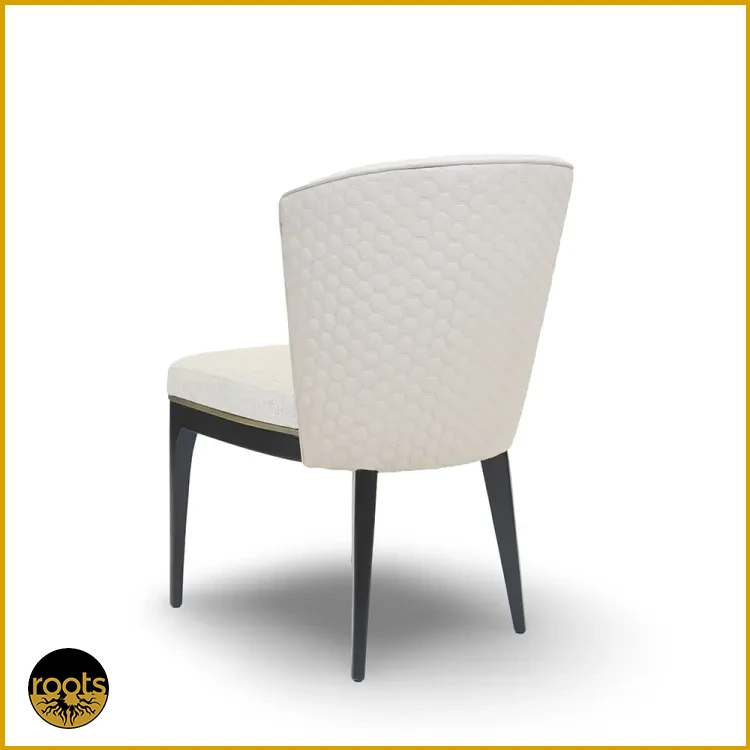
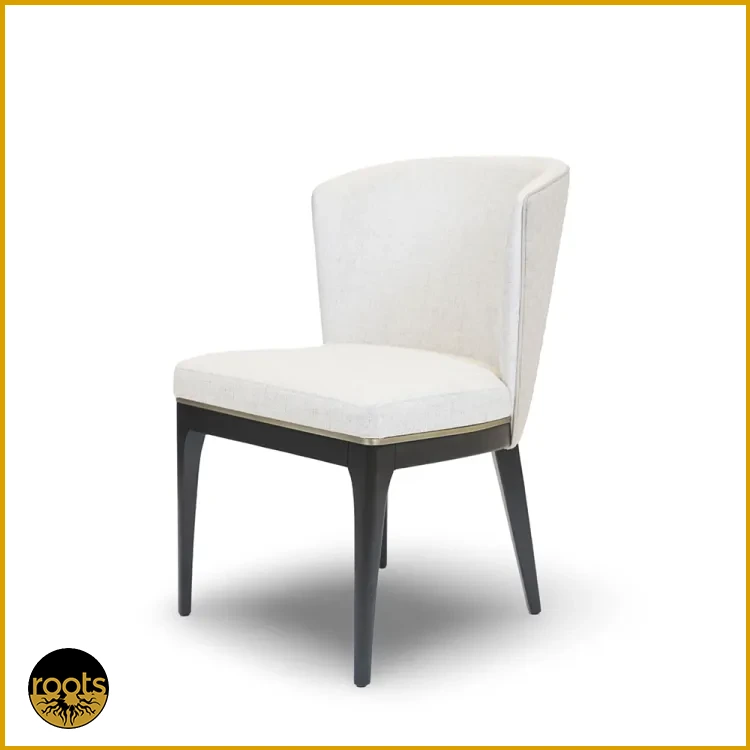
- Dining Chairs: Primarily focused on upright posture and space efficiency around a table.
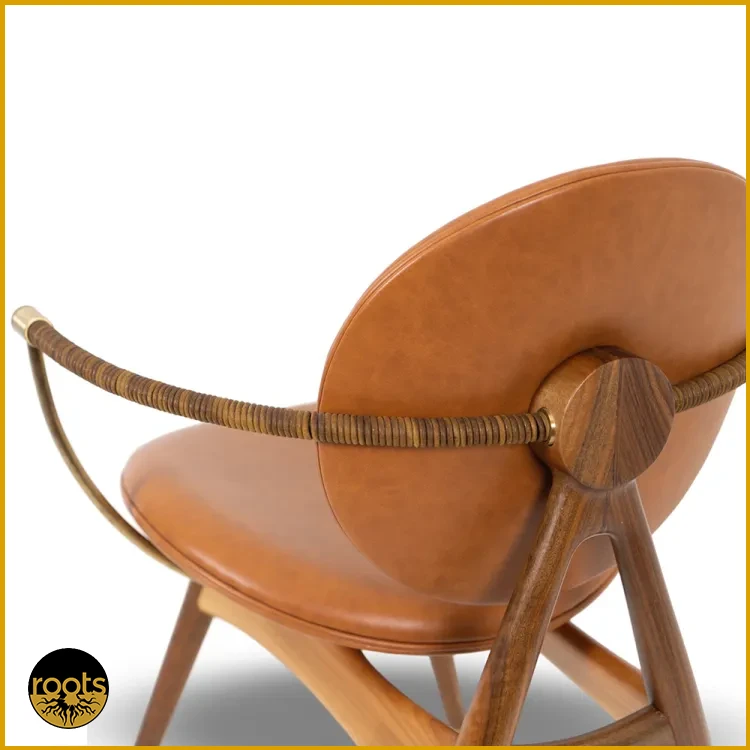
- Accent and Lounge Chairs: Designed as focal points in a room, offering deeper seating and higher comfort levels for relaxation.
- Task and Office Chairs: Engineered for ergonomic support, featuring adjustable components to assist prolonged periods of work.
- Bar and Counter Stools: Elevated seating solutions for modern kitchens and social hubs.
Material Comparison and Performance
The longevity and maintenance of a chair depend heavily on the materials used in its construction. The following table provides a comparison of common materials used in indoor chair manufacturing:
| Material Type | Durability | Aesthetic Style | Maintenance Level | Cost Range |
|---|---|---|---|---|
| Solid Wood | High | Classic / Warm | Low (Periodic Polishing) | Medium - High |
| Metal (Steel/Aluminum) | Very High | Industrial / Modern | Very Low | Medium |
| Upholstered (Fabric/Velvet) | Medium | Luxury / Soft | High (Cleaning required) | Variable |
| Polycarbonate / Plastic | Medium | Minimalist / Contemporary | Very Low | Economic |
Key Considerations Before Purchasing
To ensure a successful purchase, several technical and spatial factors must be evaluated. A chair that looks appealing in a showroom might not function well in a specific domestic or commercial context. Consider the following points:
- Ergonomics and Lumbar Support: Does the chair support the natural curve of the spine? This is crucial for chairs used for more than 30 minutes at a time.
- Spatial Dimensions: Measure the height of the table or desk the chair will be paired with. Ensure there is enough "walk-around" space when the chair is pulled out.
- Weight Capacity and Frame Stability: Check the joinery techniques. Mortise and tenon joints in wooden chairs, or seamless welds in metal chairs, indicate higher quality.
- Fabric Durability (Martindale Rating): If choosing upholstered chairs, ask for the Martindale rub count to understand how well the fabric resists wear and tear.
Distinguishing Indoor Chairs from Alternatives
One might wonder why a multipurpose chair cannot be used interchangeably. Indoor chairs differ from outdoor versions through their internal padding and finish. Outdoor chairs often use open-cell foam or hard plastics to prevent water retention, which can sacrifice comfort. Indoor models utilize high-density foams and luxury textiles that provide a superior tactile experience. Furthermore, indoor designs often feature delicate finishes like gold leafing or soft veneers that would perish in outdoor environments, making them exclusive to climate-controlled spaces.
Frequently Asked Questions About Indoor Chairs
1. How do I choose the right seat height for a dining chair?
Typically, the standard seat height is around 45-48 cm. You should aim for a gap of approximately 25-30 cm between the seat and the underside of the table for optimal legroom.
2. Which fabric is best for households with pets or children?
Microfiber and specially treated polyester fabrics are recommended due to their stain resistance and ease of cleaning. Avoid delicate weaves like silk or high-pile velvets in high-traffic areas.
3. Do armrests make a difference in comfort?
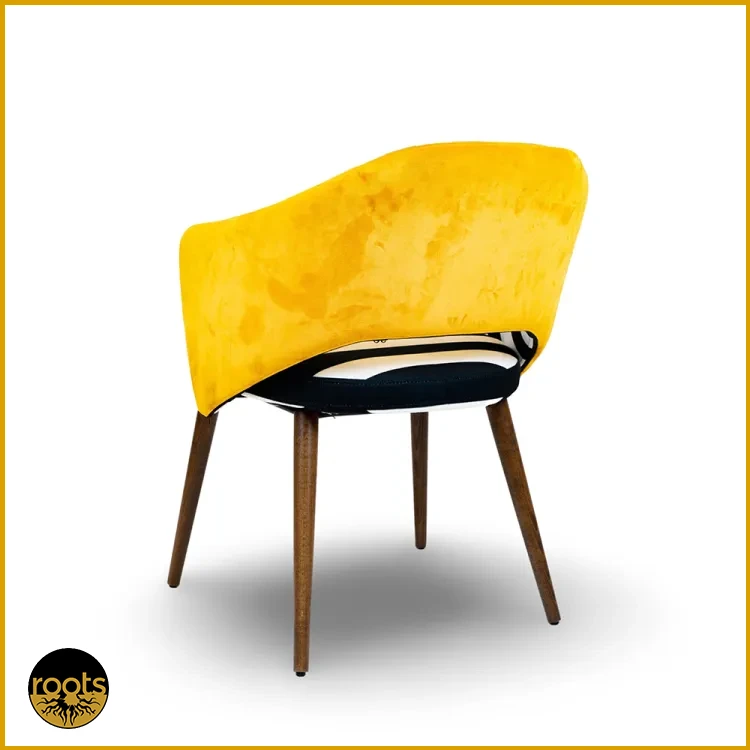
Yes, armrests provide significant relief for the shoulders and neck. However, they require more horizontal space. For small dining areas, armless models are often more practical.
4. Is assembly quality important for longevity?
Absolutely. Factory-assembled chairs generally offer better structural integrity than "ready-to-assemble" (RTA) kits, as they often use industrial-grade adhesives and precision machinery.
In conclusion, selecting the ideal indoor chair model requires a balance between personal style and technical requirements. By focusing on material quality, ergonomic design, and spatial harmony, you can invest in a product that provides both aesthetic value and long-term functional support for your interior environment.