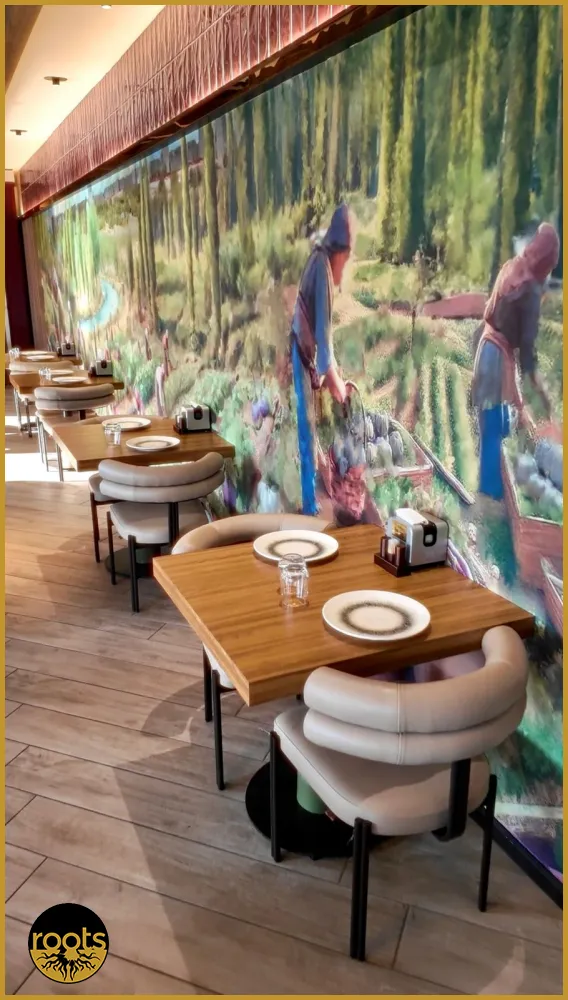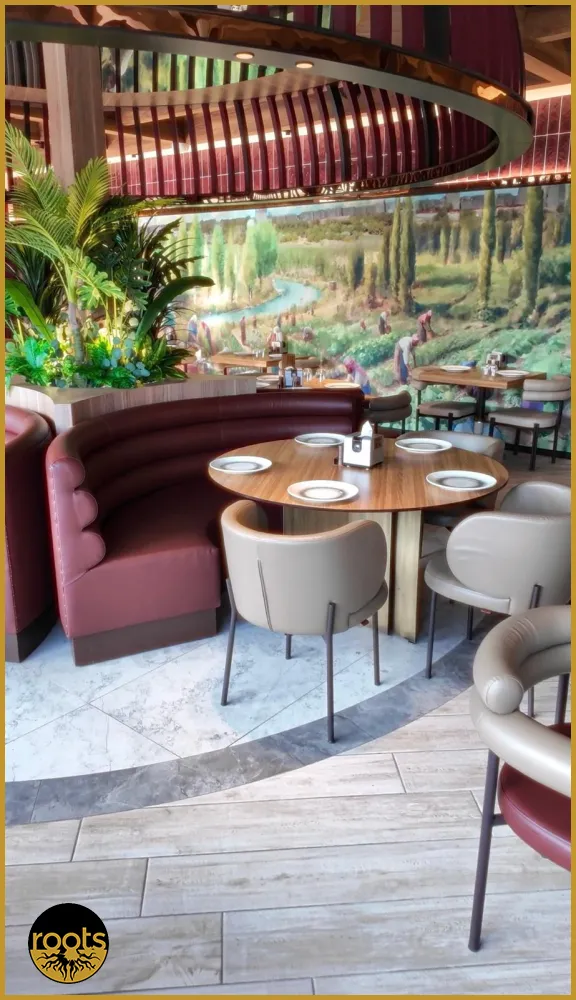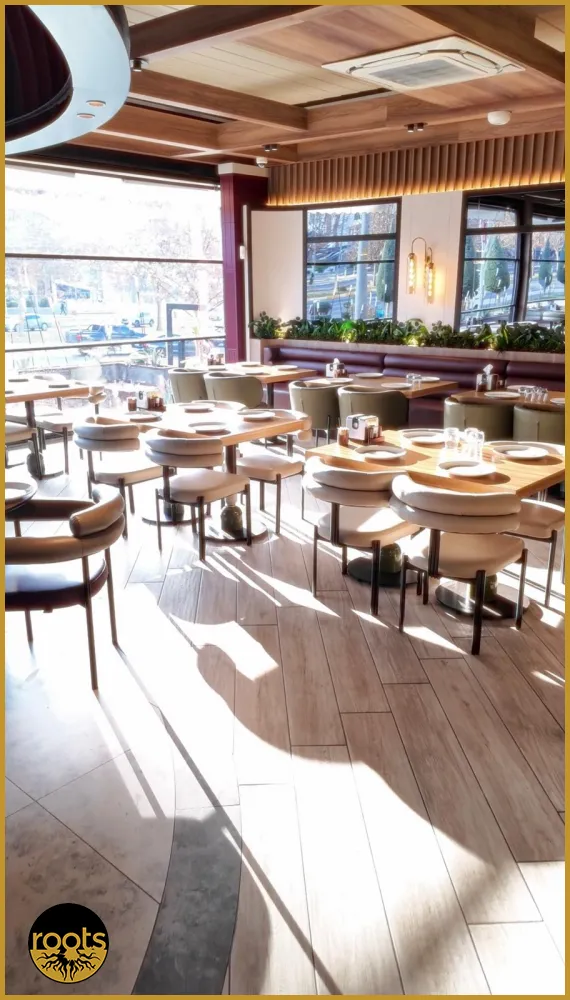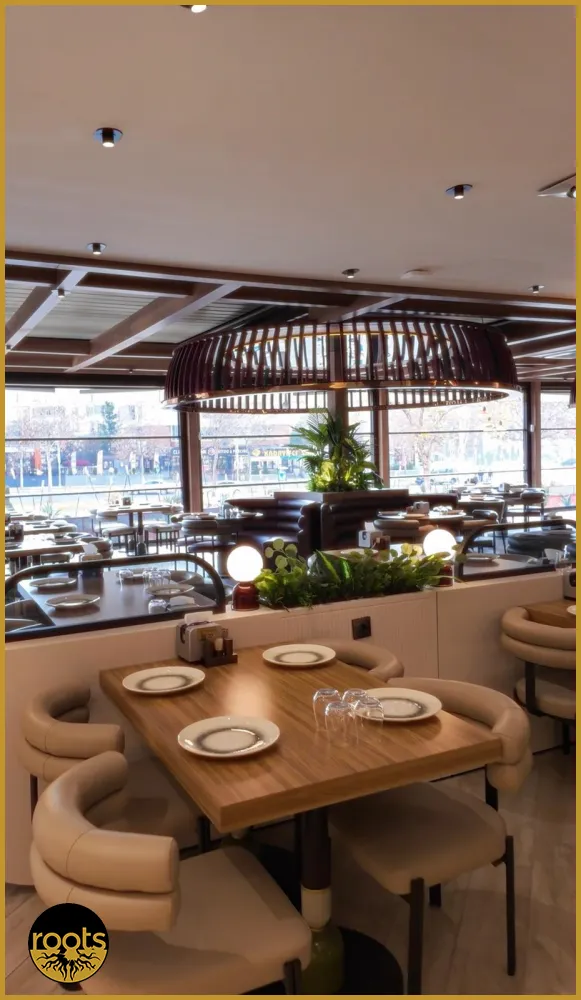
Defining London Architectural Restaurant Chairs
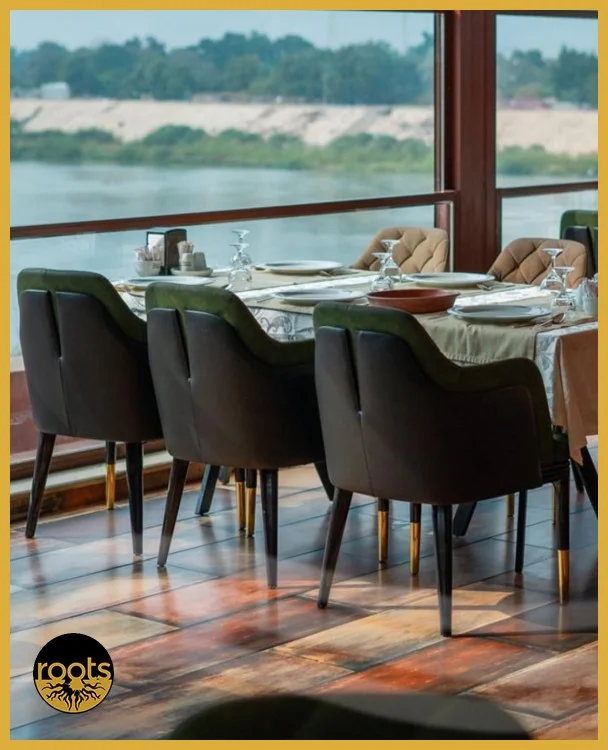
In the world of hospitality design, London architectural restaurant chairs represent more than just seating; they are a synthesis of structural integrity and aesthetic sophistication. This style typically draws inspiration from London’s rich architectural heritage—blending industrial Victorian foundations with the clean, minimalist lines of contemporary urban development. These chairs are specifically engineered for the high-traffic environments of modern dining establishments, where the demand for visual impact is as high as the requirement for long-term durability.
An architectural chair differs from standard commercial seating by emphasizing form, silhouette, and the honest expression of materials. Whether it is the way a joint is seamlessly integrated or the specific curvature of a backrest designed to mirror a building's facade, these pieces serve as functional art within a restaurant’s interior layout.
Functionality and Target Audience
These chairs are designed for restaurateurs, interior designers, and architects who aim to create a cohesive brand identity. They are particularly suitable for:
- High-End Casual Dining: Where the atmosphere needs to feel curated yet approachable.
- Corporate Hospitality: Spaces that require a professional, structured aesthetic.
- Boutique Cafes: Establishments where furniture serves as a primary design element in a smaller footprint.
By meeting the rigorous standards of ergonomics and commercial safety, these chairs satisfy the needs of customers who expect comfort during long dining experiences and owners who require furniture that resists wear and tear.
Material Excellence and Comparison
The choice of material dictates not only the cost but also the maintenance requirements and the "vibe" of the space. Architectural chairs often utilize a combination of materials to achieve a balanced look.
| Material Type | Durability | Best Use Case | Cost Aspect |
|---|---|---|---|
| Solid Hardwood (Oak/Ash) | Very High | Indoor fine dining, warm aesthetics. | Premium investment. |
| Powder-Coated Steel | Extreme | Industrial themes, high-traffic areas. | Mid-range/Cost-effective. |
| Sustainable Composites | High | Eco-conscious brands, modern bistros. | Varies by technology. |
| Upholstered Hybrid | Moderate | Luxury lounges, evening venues. | Higher due to fabric costs. |
Differentiating Factors: Why Choose Architectural Styles?
When compared to mass-produced alternatives, London architectural chairs stand out through structural authenticity. While a standard chair might use glue and staples, an architectural piece often features mortise and tenon joinery or precision-engineered metal welds. This ensures that the chair does not just look sturdy but is built to withstand the lateral forces typical in busy restaurant environments.
Furthermore, the spatial efficiency of these designs is a key differentiator. Architectural chairs are often designed with a "footprint-to-comfort" ratio in mind, allowing restaurant owners to maximize floor covers without making the space feel cluttered or claustrophobic.
Key Considerations Before Purchasing
Selecting the right seating requires a balance between vision and pragmatism. Consider the following points:
- Weight and Portability: Does the chair need to be moved frequently for cleaning or event reconfiguration?
- Stackability: If your venue has multi-functional uses, look for architectural designs that offer stacking capabilities without compromising their silhouette.
- Martindale Rating: For upholstered versions, ensure the fabric has a high rub count (usually 40,000+) to prevent premature thinning.
- Floor Protection: High-quality architectural chairs should come with integrated glides (felt or plastic) to protect your flooring from scratches.
- Compliance: Ensure all materials meet local fire safety regulations (such as UK Crib 5 standards for commercial use).
Frequently Asked Questions
Choosing London architectural restaurant chairs is an investment in both the brand's visual narrative and the physical longevity of the establishment. By prioritizing structural integrity and timeless design over fleeting trends, business owners can create a dining environment that feels established, professional, and enduringly stylish.