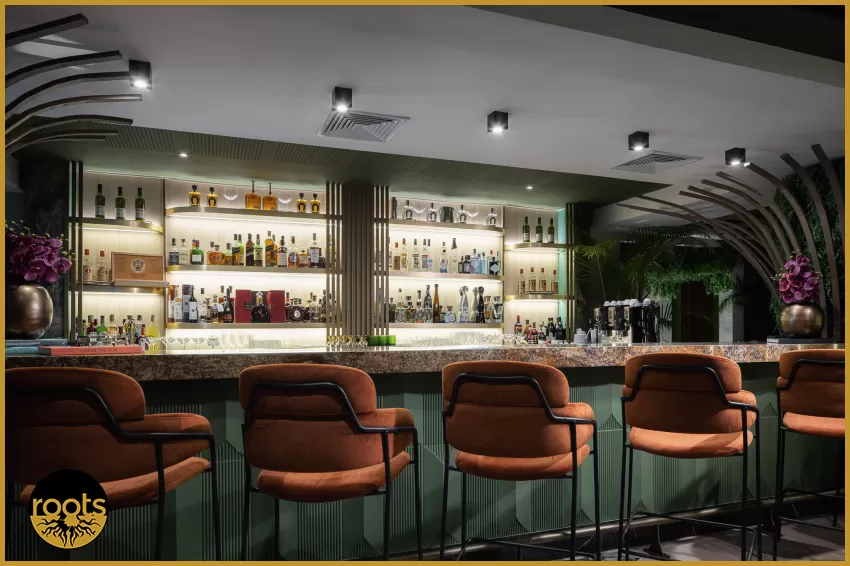
Understanding the Role of Restaurant Chairs in Commercial Spaces
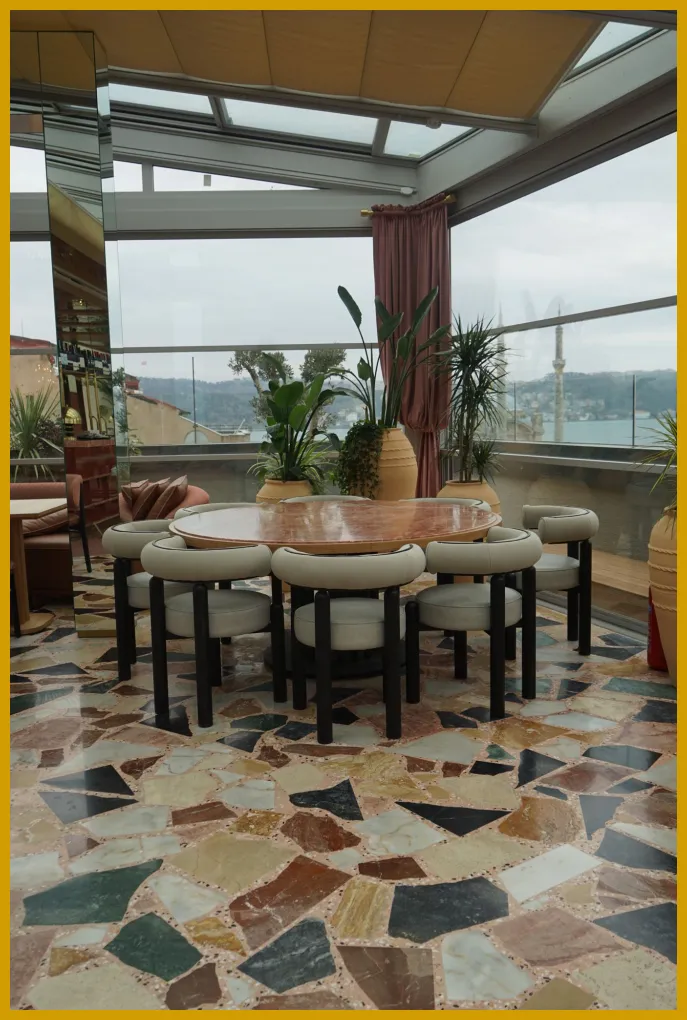
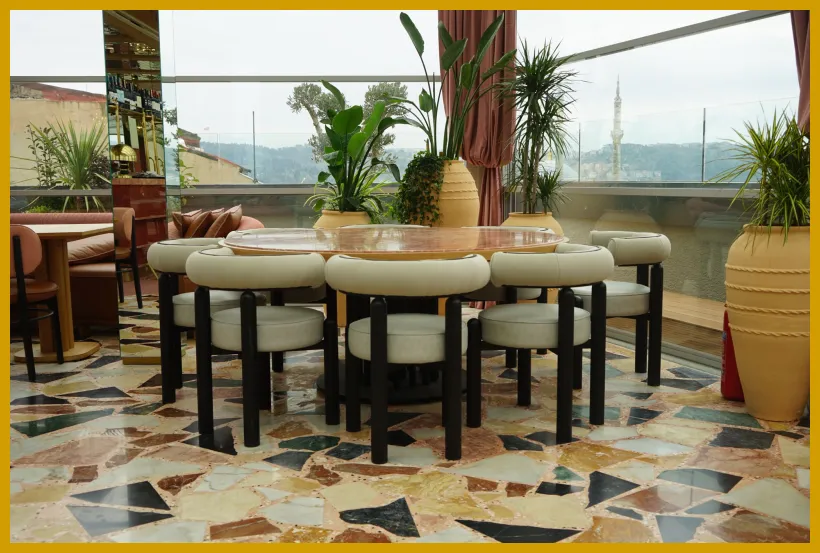
When designing a dining environment, the choice of restaurant chairs extends far beyond mere seating. It is a fundamental component of the guest experience, influencing everything from the duration of a meal to the overall perception of the brand. A well-chosen chair balances aesthetic appeal, structural integrity, and ergonomic support, ensuring that patrons remain comfortable while the business benefits from a product designed for high-traffic use.
Commercial seating is distinct from residential furniture. It must withstand constant movement, varying weight loads, and frequent cleaning cycles. For business owners and architects, selecting the right model requires a deep dive into material science, spatial planning, and the specific needs of the target clientele.
Key Considerations Before Investing in Seating
Before finalizing a purchase, it is essential to evaluate the specific demands of your venue. Not every chair is suitable for every environment. Consider the following factors to narrow down your selection:
- Spatial Efficiency: In smaller venues, chairs with a slim profile or stackable designs allow for higher density without compromising movement.
- Maintenance Requirements: High-turnover establishments, such as fast-casual diners, benefit from non-porous surfaces like metal or polypropylene that can be wiped down quickly.
- Weight and Portability: If your floor plan changes frequently for events, lightweight materials or chairs with integrated hand-holds are preferable.
- Weight Capacity: Commercial-grade chairs should typically support at least 250-300 lbs to ensure safety and longevity in a public setting.
Comparison of Material Types and Performance
The material of a restaurant chair dictates its durability, maintenance schedule, and suitability for different environments (indoor vs. outdoor). The table below provides a comparative overview of common industry materials.
| Material Type | Durability | Best Environment | Relative Cost | Maintenance |
|---|---|---|---|---|
| Solid Wood | High | Indoor / Classic Dining | Moderate to High | Periodic Polishing |
| Metal (Steel/Aluminum) | Very High | Industrial / Outdoor | Low to Moderate | Low (Wipe clean) |
| Polypropylene (Plastic) | Moderate | Modern / Outdoor / Cafe | Low | Very Low |
| Upholstered (Fabric/Vinyl) | Moderate | Fine Dining / Lounges | High | High (Stain removal) |
Functional Differences: When to Choose Specific Styles
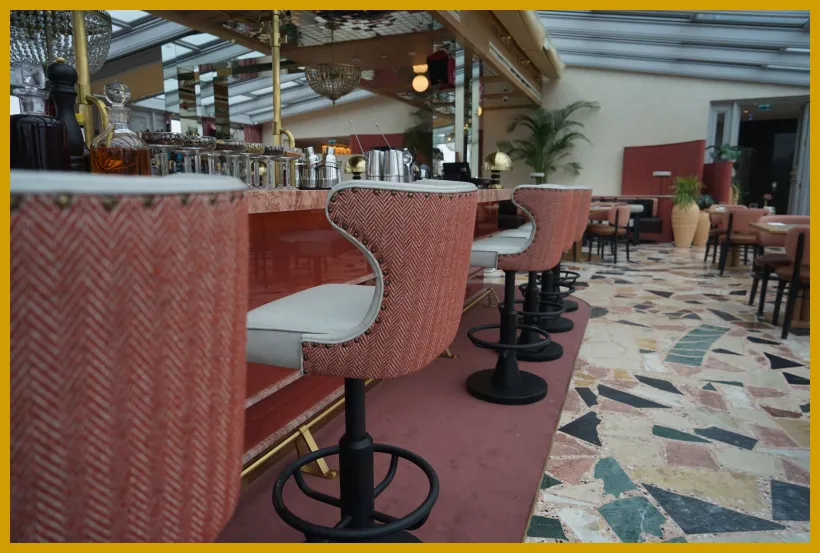
The "right" chair depends heavily on your service model. For instance, bar-height stools are essential for counter service and social drinking areas, while standard dining chairs are the backbone of full-service restaurants.
Wood chairs provide a sense of warmth and tradition, making them ideal for bistros and upscale traditional eateries. However, they are sensitive to humidity and temperature fluctuations. On the other hand, metal chairs, particularly those made of powder-coated aluminum, offer excellent resistance to the elements, making them the primary choice for patio or terrace seating.
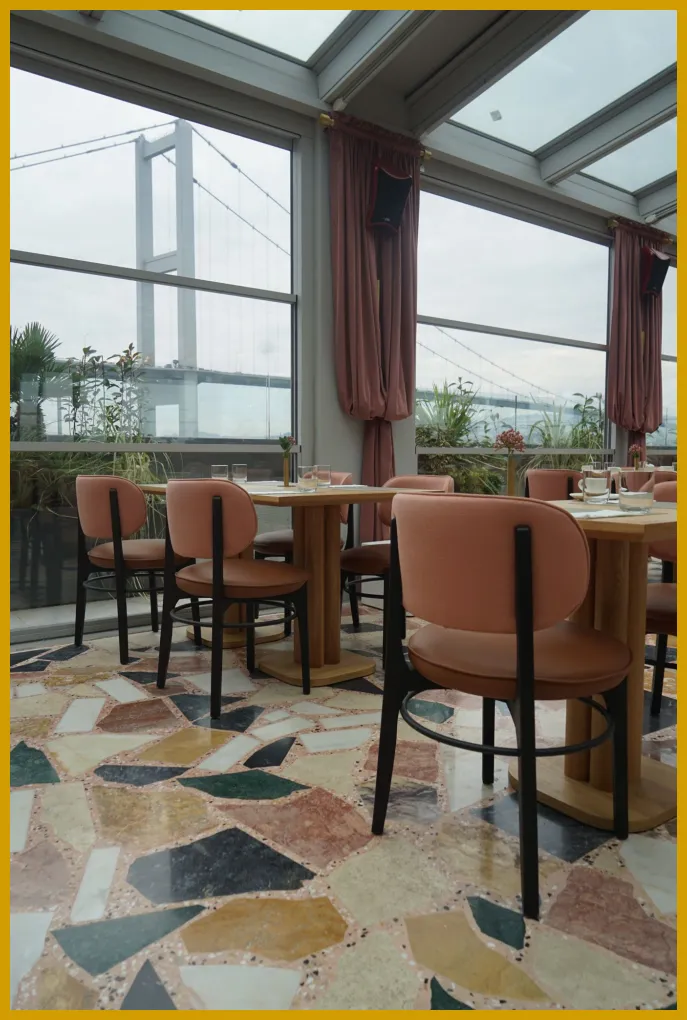
If comfort is the priority—for example, in a multi-course fine dining establishment—upholstered seating with high-density foam is the industry standard. This encourages guests to linger, potentially increasing dessert and beverage sales.
Ergonomics and Guest Comfort
An often-overlooked aspect of the restaurant chair is its ergonomic profile. The seat height (typically 18 inches for standard tables) must align perfectly with the table surface to prevent shoulder strain. The pitch of the backrest should provide lumbar support without forcing the guest into an awkward reclined position that hinders eating.
For high-turnover businesses, a slightly firmer seat might be intentional to encourage faster table rotation. Conversely, coffee shops and lounges prioritize soft, deep seating to foster a "third-home" atmosphere.
Frequently Asked Questions
Q: What is the difference between a residential chair and a commercial restaurant chair?
A: Commercial chairs are engineered for rigorous use. They feature reinforced joints (such as mortise and tenon or heavy-duty welds), scratch-resistant finishes, and meet specific fire safety and stability standards that residential furniture does not require.
Q: How do I choose between wood and metal for my restaurant?
A: Consider your brand identity and floor maintenance. Metal is generally more affordable and easier to sanitize, fitting modern or industrial themes. Wood offers a premium, acoustic-friendly feel that reduces noise levels in busy dining rooms.
Q: Should I opt for stackable chairs?
A: If you have a multi-purpose space, outdoor area that needs to be cleared nightly, or limited storage, stackable designs are highly recommended. They provide flexibility without sacrificing modern design standards.
Q: How long should a quality restaurant chair last?
A: In a high-traffic environment, a well-maintained commercial-grade chair should last between 5 to 10 years. Choosing materials like metal or solid hardwoods with replaceable glides can extend this lifespan significantly.
Critical Quality Markers to Check Before Purchase
To ensure you are making a sustainable investment, pay attention to these technical details:
- Floor Glides: Ensure the chairs come with non-marring glides to protect your flooring from scratches and reduce noise.
- Reinforcement Bars: Especially in wooden chairs, look for "H-stretchers" or side bars that reinforce the legs.
- Finish Quality: For metal, powder coating is superior to standard paint as it resists chipping and UV fading.
- Fabric Ratings: If choosing upholstery, check the "double rub" count. For commercial use, a rating of 30,000 to 50,000 double rubs is recommended for durability.
Selecting the appropriate restaurant chair involves a strategic blend of operational logic and design vision. By prioritizing durability and guest comfort, you create an environment that not only looks professional but also stands the test of time and heavy use.