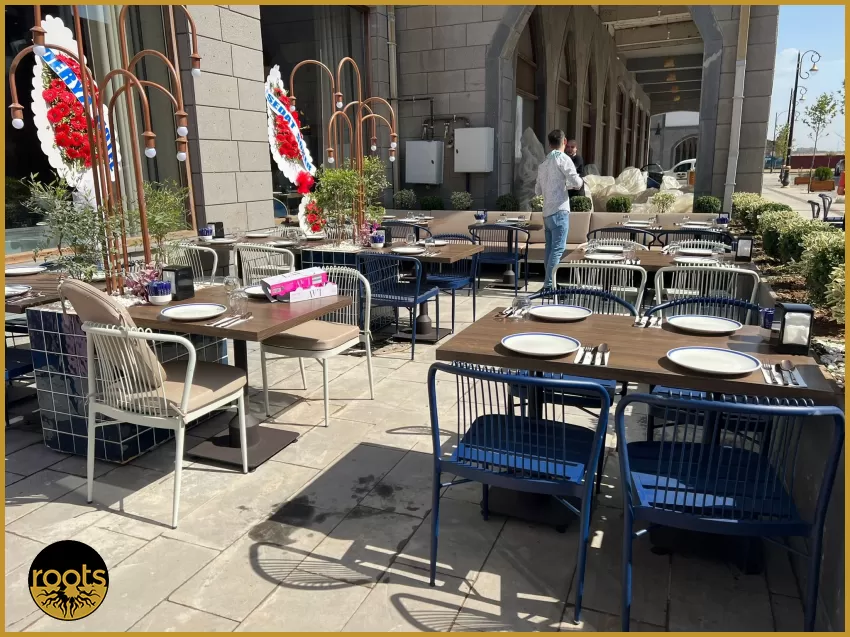
Understanding the Strategic Importance of Restaurant Chairs
Choosing the right restaurant chairs is far more than a simple aesthetic decision. In the hospitality industry, seating is a direct point of contact between your brand and your customer. It influences how long a guest stays, how much they enjoy their meal, and whether they perceive your establishment as a premium or casual venue. A well-chosen restaurant chair balances ergonomic support, structural integrity, and visual harmony with the interior design.
Commercial-grade seating differs significantly from residential furniture. While home chairs are designed for limited daily use, restaurant chairs must withstand constant movement, varying weight loads, and frequent cleaning cycles. Investing in quality seating is essentially a commitment to operational efficiency and guest satisfaction.
Core Considerations for Choosing the Right Seating
Before finalizing a purchase, it is essential to evaluate the specific needs of your space. Different concepts require different seating solutions. For example, a fast-casual bistro might prioritize stackability and ease of cleaning, whereas a fine-dining establishment will focus on upholstery comfort and plush aesthetics.
- Spatial Layout and Traffic Flow: The dimensions of the chair, including the footprint and the width of the armrests, dictate how many guests you can comfortably accommodate.
- Weight Capacity: Commercial chairs should ideally be tested to support at least 250-300 lbs to ensure safety and longevity in a high-traffic environment.
- Seat Height: Standard dining chairs usually have a seat height of 18 inches, which is compatible with 30-inch high tables. Ensuring this ratio is correct is vital for guest comfort.
- Floor Protection: Consider the type of "glides" or feet the chairs have. High-quality nylon or felt glides prevent floor scratching and reduce noise when chairs are moved.
Material Comparison: Durability and Environment
The choice of material affects not only the look of your restaurant but also the maintenance schedule and the lifespan of the furniture. Below is a comparison of the most common materials used in restaurant chair manufacturing.
| Material Type | Durability | Best Usage | Cost Range | Maintenance |
|---|---|---|---|---|
| Solid Wood (Oak/Beech) | High | Indoor / Classic Concepts | Medium - High | Polishing / Tightening bolts |
| Metal (Steel/Aluminum) | Very High | Industrial / Outdoor / Fast Food | Low - Medium | Wipe down / Rust prevention |
| Polypropylene (Plastic) | Medium | Outdoor / Modern Cafes | Low | Easy wash / Weather resistant |
| Upholstered (Fabric/Vinyl) | Moderate | Fine Dining / Long Stays | High | Steam cleaning / Spot treating |
How Restaurant Chairs Impact Customer Experience
Ergonomics play a silent but powerful role in the dining experience. A chair with a slight lumbar curve and a waterfall seat edge (which reduces pressure on the back of the thighs) encourages guests to relax. If your business model relies on high turnover (like a coffee shop or a quick-service counter), you might opt for slightly firmer seating. Conversely, if you want guests to stay for multiple courses and appetizers, soft upholstery is non-negotiable.
Why Professional Seating Outperforms Home Furniture
The primary difference lies in the joint construction. Professional restaurant chairs often feature mortise and tenon joinery reinforced with metal brackets. This prevents the "wobble" that often occurs in residential furniture after a few months of heavy use. Furthermore, commercial fabrics are rated by "double rubs," a measurement of abrasion resistance. A standard restaurant chair should use fabric rated for at least 30,000 to 50,000 double rubs.
Maintenance and Longevity Tips
To maximize the return on investment for your restaurant chairs, follow these maintenance guidelines:
- Regular Inspections: Check for loose screws or cracked glides once a month to prevent structural failure.
- Appropriate Cleaning Agents: Use PH-neutral cleaners for wooden chairs to avoid stripping the finish. For vinyl, avoid bleach-based cleaners which can cause the material to crack over time.
- Seasonal Adjustments: If using wooden chairs, be mindful of humidity levels. Excessive dryness or moisture can cause wood to expand or contract, loosening the joints.
Frequently Asked Questions
In conclusion, selecting the ideal restaurant chair requires a balance between the aesthetic goals of the designer and the practical needs of the operator. By focusing on material quality, ergonomic design, and the specific demands of your environment, you can ensure a comfortable experience for your guests and a long-lasting investment for your business.