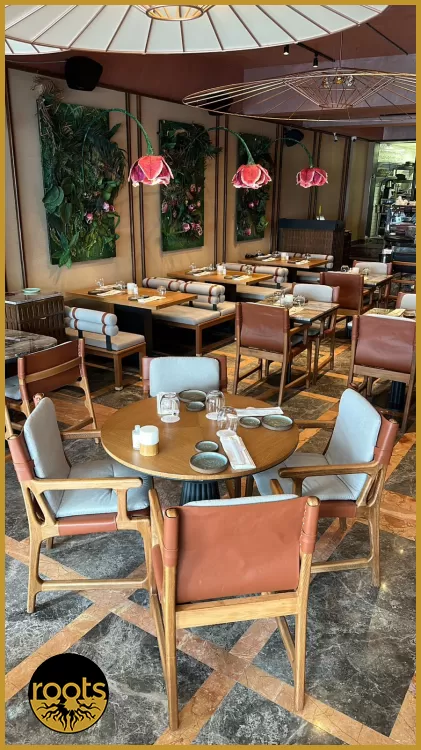
The Role of Restaurant Tables in Commercial Spaces
Selecting the right restaurant tables is one of the most critical decisions for a business owner in the hospitality industry. A table is more than just a piece of furniture; it is the primary touchpoint where your guests interact with your brand, enjoy their meals, and spend their time. Whether you are running a high-end fine dining establishment, a bustling neighborhood cafe, or a fast-casual bistro, the functionality and aesthetics of your tables directly impact the guest experience and operational efficiency.
Restaurant table models vary significantly based on their intended use, material composition, and design language. Choosing a model involves balancing visual appeal with technical requirements such as weight capacity, scratch resistance, and ease of cleaning. A well-chosen table optimizes the floor plan, allowing for better traffic flow while maximizing seating capacity without compromising comfort.
Material Diversity and Technical Specifications
The material of a restaurant table determines its longevity and maintenance needs. Commercial environments demand higher durability than residential settings due to frequent use and rigorous cleaning protocols.
Solid Wood and Veneer Tables
For a warm, inviting, and premium feel, solid wood restaurant tables remain a top choice. Woods like oak, walnut, and ash offer unique grain patterns that add character to the space. However, they require periodic maintenance and are best suited for indoor use where humidity and temperature are controlled. Veneer options provide a similar aesthetic at a lower weight and cost but may be less resistant to deep scratches.
Compact Laminate and Werzalit
In high-traffic areas or outdoor settings, compact laminate is highly preferred. It is an incredibly dense material made of layers of paper soaked in resin, making it waterproof, heat-resistant, and nearly impossible to scratch. Similarly, Werzalit tops are molded under high pressure, providing a seamless edge that prevents moisture penetration, which is vital for outdoor cafes and beach clubs.
Metal and Stone Alternatives
Industrial-style interiors often utilize metal table models, which are appreciated for their structural integrity and modern look. On the other hand, marble or granite tables offer a sense of luxury and timelessness, though they require sealing to prevent staining from acidic foods and beverages.
| Material Type | Durability Level | Best Environment | Cost Efficiency |
|---|---|---|---|
| Solid Wood | High (Requires Care) | Indoor / Fine Dining | Premium |
| Compact Laminate | Very High | Indoor & Outdoor | Moderate |
| Werzalit | High | Outdoor / Fast Food | Budget-Friendly |
| Marble / Stone | Moderate (Porous) | Indoor / Luxury | High |
| Metal / Steel | Very High | Industrial / Outdoor | Moderate |
How to Choose the Right Restaurant Table Models
Before making a purchase, it is essential to evaluate the specific needs of your business. Here are the key factors to consider:
- Space Optimization: Square tables (e.g., 70x70 cm) offer flexibility as they can be pushed together for larger groups. Round tables are better for conversation and flow in tight corners.
- Base Stability: The table base (pedestal or four-legged) must be heavy enough to prevent wobbling but designed to allow enough legroom for guests. Cross-bases or disc bases are common for central support.
- Ergonomics: The standard height for a dining table is typically between 74-76 cm. Ensure that the chairs or bar stools you select are compatible with the table height to provide a comfortable posture.
- Climate Resistance: If the tables will be used in an outdoor area, look for UV-resistant finishes and rust-proof hardware to prevent degradation from sun and rain.
Differentiating Your Space with Unique Designs
The distinction between restaurant tables often lies in the details. Edge profiles (beveled, bullnose, or flat), surface textures, and custom colors can set your brand apart. While some businesses prefer "off-the-shelf" models for quick delivery, custom-manufactured tables allow for perfect alignment with the interior design concept. Integrating power outlets or wireless charging stations into table surfaces is an emerging trend for cafes catering to remote workers.
Frequently Asked Questions
What is the ideal size for a two-person restaurant table?
For a standard dining experience, 60x60 cm or 70x70 cm is ideal. If the menu involves many side dishes or large plates, 70x70 cm is recommended to ensure guest comfort.
Are wooden tables suitable for outdoor use?
Only specific types of wood, like Teak or Iroko, are naturally resistant to decay and suitable for the outdoors. However, they still require regular oiling to maintain their color and integrity.
How do I prevent wobbly tables on uneven floors?
Many modern restaurant table models come with adjustable glides (leveling feet). There are also specialized hydraulic self-leveling table bases that automatically adjust to uneven surfaces.
Which material is the easiest to sanitize?
Non-porous materials like compact laminate and stainless steel are the easiest to clean and sanitize, as they do not harbor bacteria and can withstand frequent use of chemical cleaners.
Investing in high-quality restaurant tables is a long-term strategy. By prioritizing durability, guest comfort, and ease of maintenance, you ensure that your furniture remains an asset rather than a recurring expense. Evaluate your menu, your clientele, and your physical space to select the models that best represent your business identity.