The Strategic Importance of London Restaurant Furniture
In the vibrant and highly competitive culinary landscape of London, the atmosphere of a dining establishment is often as critical as the menu itself. London restaurant furniture serves as the structural foundation of a guest's experience, bridging the gap between aesthetic appeal and functional comfort. Choosing the right furniture is not merely a decorative decision; it is a strategic investment that influences customer retention, brand perception, and operational efficiency.
Functionality and Audience Suitability
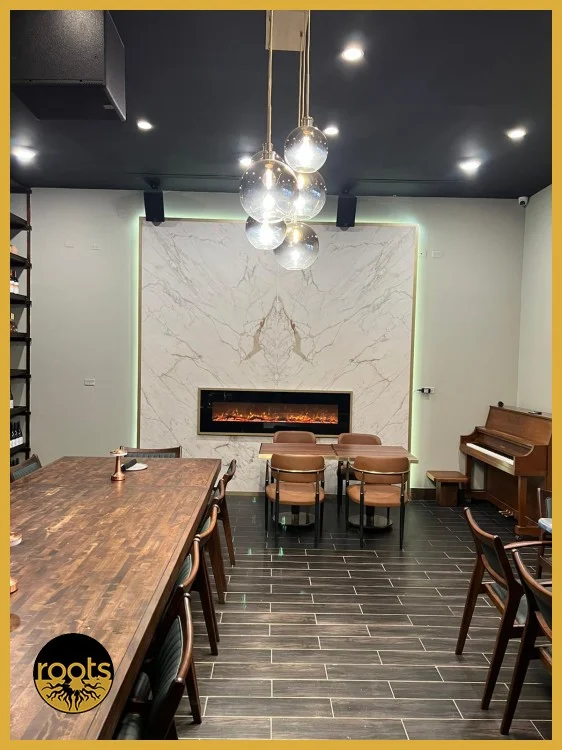
The primary purpose of commercial-grade furniture is to withstand the rigors of high-traffic environments while providing ergonomic support. For a fast-paced cafe in Soho, lightweight and stackable seating might be a priority to facilitate quick turnovers. In contrast, a fine-dining establishment in Mayfair would require plush, upholstered armchairs that encourage guests to linger and enjoy multiple courses. Understanding your target demographic is the first step in selecting furniture that resonates with their expectations and needs.
Material Analysis and Durability
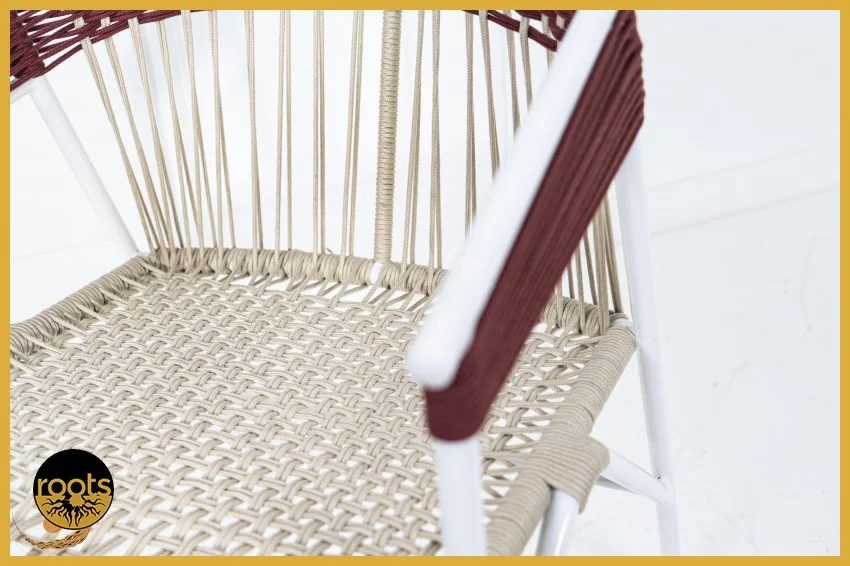
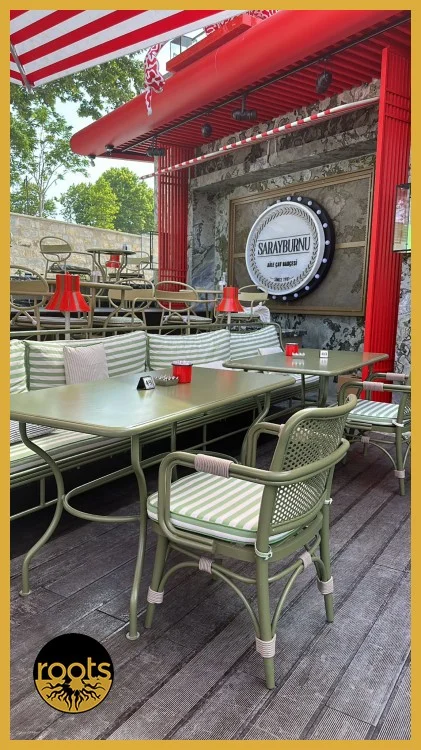
When selecting materials, business owners must balance visual style with maintenance requirements. Solid wood remains a classic choice for its warmth and longevity, while metal frames offer an industrial aesthetic and exceptional structural integrity. For outdoor terraces or high-moisture environments, synthetic materials like polypropylene provide weather resistance without sacrificing design.
| Material Type | Durability | Primary Use Case | Relative Cost |
|---|---|---|---|
| Solid Wood (Oak/Ash) | High (can be refinished) | Indoor Dining, Classic Pubs | High |
| Metal (Steel/Aluminum) | Very High | Industrial Styles, Outdoor Spaces | Moderate |
| Upholstered (Fabric/Leather) | Moderate (requires cleaning) | Fine Dining, Lounges, Booths | High |
| Polypropylene / Plastic | High (weather resistant) | Quick Service, Outdoor Patios | Low to Moderate |
Key Considerations Before Purchasing
Navigating the purchase of restaurant furniture requires a checklist to ensure the selected items meet both legal and practical standards:
- CRIB 5 Compliance: In the UK, furniture used in commercial environments must meet specific fire safety regulations, often referred to as CRIB 5. Always verify that upholstery meets these standards.
- Space Planning: Measure your floor plan meticulously. Furniture must allow for unobstructed movement for both staff and guests, ensuring a seamless flow of service.
- Weight and Portability: Consider how often the furniture will need to be moved for cleaning or floor reconfiguration.
- Maintenance: Choose finishes that are easy to wipe down and resistant to common spills like wine, oil, or acidic juices.
Distinguishing Professional Furniture from Domestic Alternatives
A common mistake is opting for domestic furniture due to lower initial costs. However, professional contract furniture is engineered specifically for 12+ hours of daily use. It features reinforced joints, heavy-duty glides, and high-performance finishes that domestic products lack. Investing in commercial-grade items significantly reduces the frequency of replacements, leading to better long-term cost management.
Space Optimization and Layout Trends
London restaurants often operate in compact footprints. Modular furniture and bespoke banquette seating are excellent solutions for maximizing capacity without compromising comfort. Utilizing vertical space or choosing pedestal tables instead of four-legged designs can provide guests with more legroom and make the environment feel more spacious.
Frequently Asked Questions
1. Why is the height of the table and chair important?
Standard dining heights are crucial for comfort. A mismatch between chair seat height and table top can lead to a poor dining experience. Generally, a 30cm gap between the seat and the tabletop is ideal.
2. How can I ensure my furniture lasts in a busy London environment?
Prioritize furniture with commercial warranties and focus on "high-traffic" rated fabrics. Regular maintenance, such as tightening bolts and cleaning upholstery, will also extend the lifespan of your investment.
3. What are the current design trends for London eateries?
Current trends lean towards biophilic design (incorporating natural wood and greenery), sustainable materials, and "resimercial" styles that combine the comfort of home with commercial durability.
4. Should I choose fixed or loose seating?
Fixed seating (booths) offers a sense of privacy and maximizes space, while loose seating provides flexibility for hosting larger groups and changing the floor layout as needed.
In conclusion, selecting the right furniture for a London restaurant is a multifaceted process that involves evaluating aesthetics, durability, and compliance. By focusing on quality materials and thoughtful layout planning, business owners can create an inviting atmosphere that stands the test of time and enhances the overall dining experience.