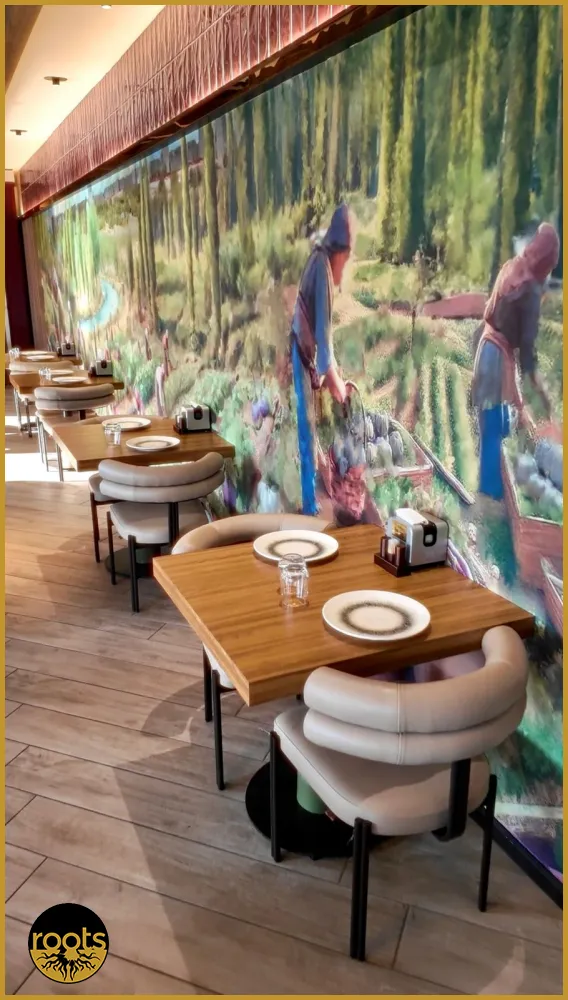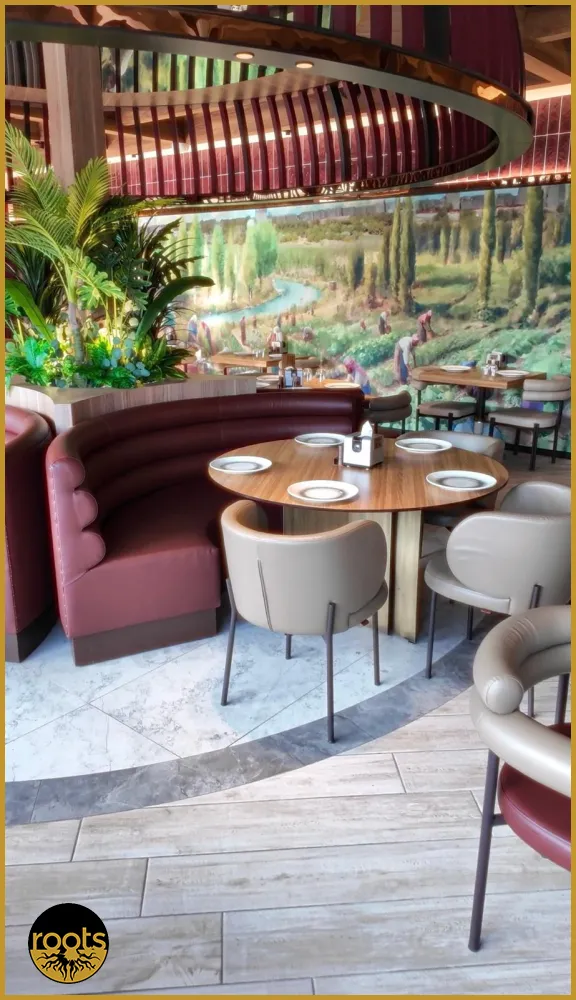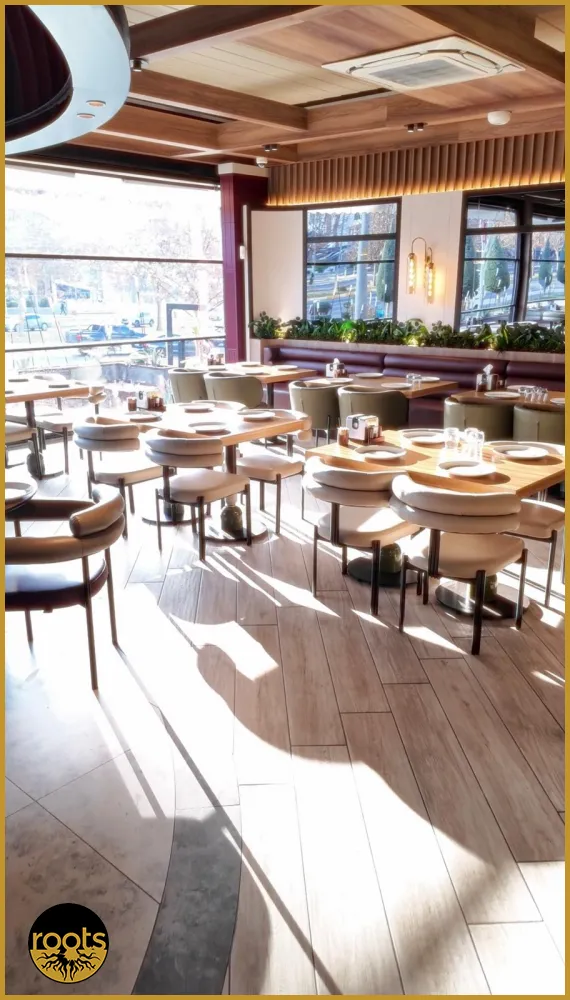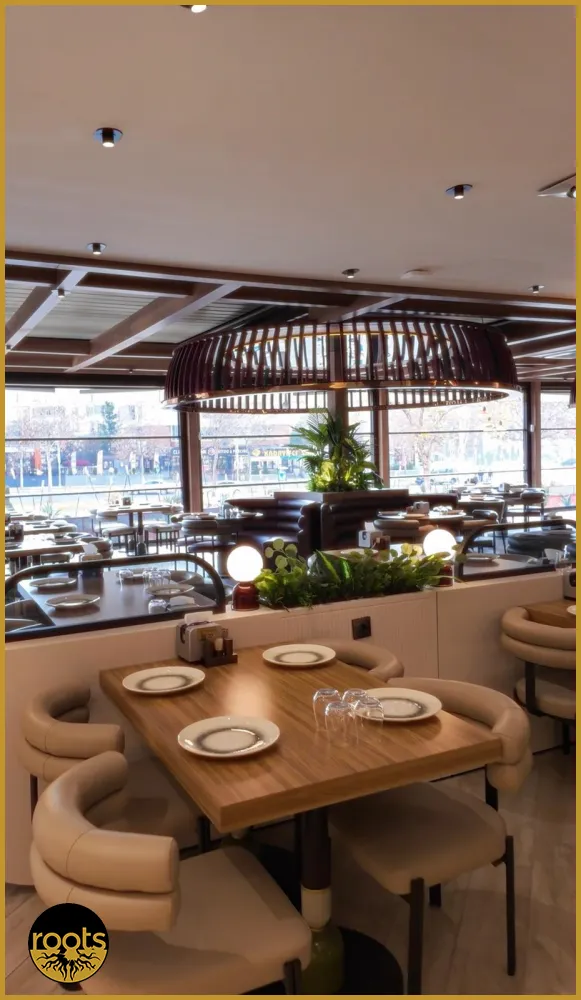
Slovakia Restaurant Architectural Decoration: Crafting Unique Dining Experiences
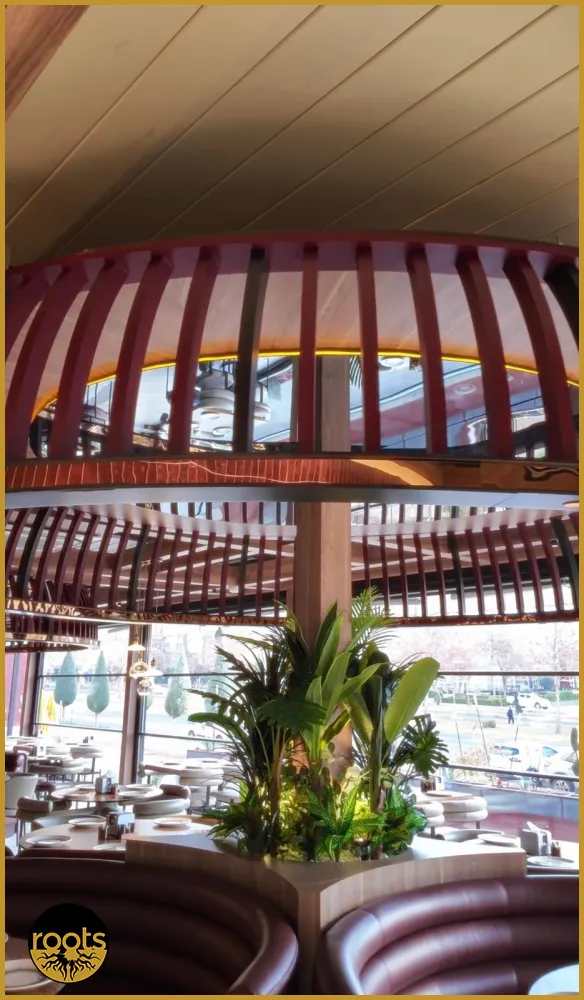
Architectural decoration in the Slovakian restaurant sector is more than just an aesthetic choice; it is a strategic business investment. In a market where tradition meets modern European flair, the physical environment of a restaurant plays a critical role in customer retention and brand identity. From the historic streets of Bratislava to the scenic retreats in the Tatra Mountains, architectural decoration serves to bridge the gap between functional utility and sensory experience.
Choosing the right architectural elements involves understanding the local culture, the building's structural possibilities, and the specific needs of the target audience. This process includes the selection of wall treatments, flooring, lighting fixtures, and custom-built furniture that collectively define the ambiance and operational flow of the establishment.
Core Functions and Benefits of Professional Decoration
The primary purpose of architectural decoration is to create an immersive environment. For a restaurant, this translates into several key advantages:
- Brand Positioning: Decoration acts as a silent storyteller, communicating whether a venue is a fine-dining establishment, a casual bistro, or a traditional Slovak koliba.
- Operational Efficiency: High-quality architectural design considers the "flow" of both staff and guests, ensuring that decorative elements do not hinder movement.
- Acoustic Control: Professional decoration utilizes materials that manage sound levels, preventing echoes in high-ceilinged spaces and ensuring a comfortable dining atmosphere.
- Durability and Hygiene: In the restaurant industry, materials must withstand high traffic and frequent cleaning while maintaining their visual appeal.
Material Selection and Comparison
The choice of materials is the cornerstone of architectural decoration. In Slovakia, there is a strong preference for natural textures like wood and stone, often contrasted with modern elements like glass and industrial steel. Below is a comparison of common materials used in restaurant decoration based on durability, application, and cost-effectiveness.
| Material Type | Durability | Best Use (Interior/Exterior) | Relative Cost | Main Advantage |
|---|---|---|---|---|
| Solid Wood (Oak/Walnut) | High (with maintenance) | Interior (Floors/Walls) | Premium | Timeless warmth and acoustics |
| Natural Stone (Granite/Slate) | Very High | Both (Facade/Counters) | High | Extremely resistant to wear |
| Metal Alloys (Corten Steel/Brass) | Very High | Both (Accents/Lighting) | Medium-High | Modern, industrial aesthetic |
| Architectural Concrete | High | Interior (Minimalist styles) | Medium | Versatile and trendy |
| Synthetic Composites | Medium-High | Interior (Wet areas/Seating) | Low-Medium | Easy to clean and maintain |
Key Considerations Before Investing
Before finalizing a decoration project in Slovakia, several factors must be evaluated to ensure the longevity of the investment:
- Compliance with Local Regulations: Slovak building codes and fire safety standards (especially for historical buildings) are stringent. Decorative materials must meet specific fire-retardant certifications.
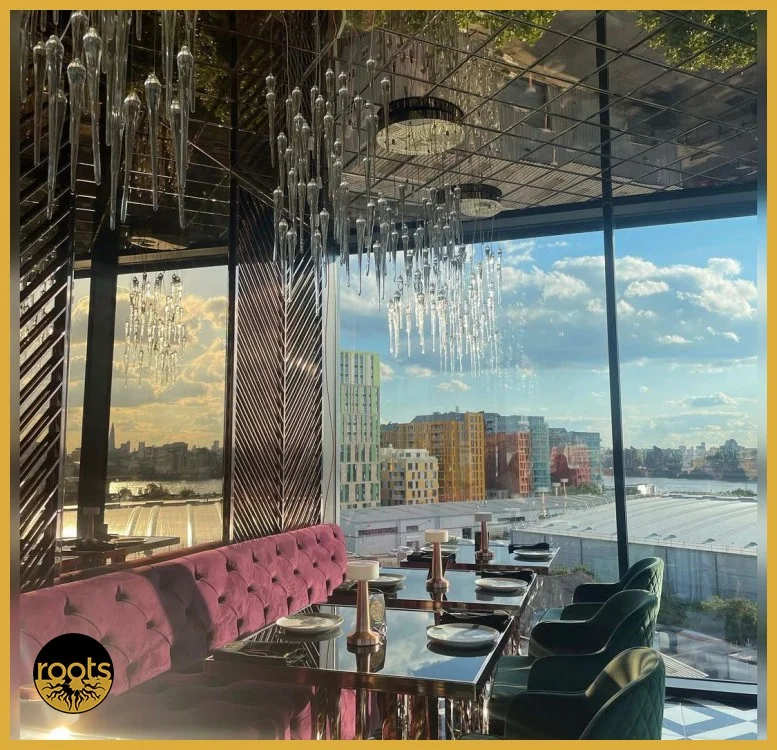
- Lighting Integration: Decoration cannot be separated from lighting. Architectural elements should be designed to complement natural light during the day and accent lighting at night.
- Climatic Factors: For restaurants with outdoor terraces or facades, materials must be resistant to Slovakia's varied climate, from humid summers to freezing winters.
- Future Scalability: Choose decorative elements that allow for minor updates without requiring a complete overhaul of the architectural foundation.
Differentiating from Alternatives
When comparing specialized architectural decoration to standard interior design, the difference lies in the structural integration. Standard design often relies on furniture and paint, whereas architectural decoration involves bespoke moldings, integrated wall panels, custom ceiling treatments, and permanent fixtures. This approach offers a much higher level of customization and a more "built-in" feel that standard off-the-shelf solutions cannot replicate.
Frequently Asked Questions (Q&A)
How long does a typical architectural decoration project take in Slovakia?
Timeline varies by scale, but most professional restaurant renovations require 4 to 12 weeks for the decoration phase, depending on the complexity of custom-made elements and material availability.
Are traditional Slovak motifs still relevant in modern restaurant design?
Absolutely. Modern "Neo-Traditional" styles are very popular, where folk patterns or traditional wood-carving techniques are integrated into sleek, minimalist layouts to create a sense of place and heritage.
What is the most cost-effective way to refresh a restaurant's look?
Focusing on architectural lighting and wall textures (such as high-quality veneers or 3D panels) provides the most significant visual impact relative to the investment cost.
In conclusion, Slovakia restaurant architectural decoration is a multi-faceted discipline that requires a balance between artistic vision and practical application. By prioritizing durable materials, adhering to local safety standards, and focusing on a cohesive brand story, owners can create spaces that not only look exceptional but also drive commercial success. Whether you are aiming for a rustic charm or a contemporary urban vibe, the key lies in the meticulous selection of architectural details that resonate with your guests.