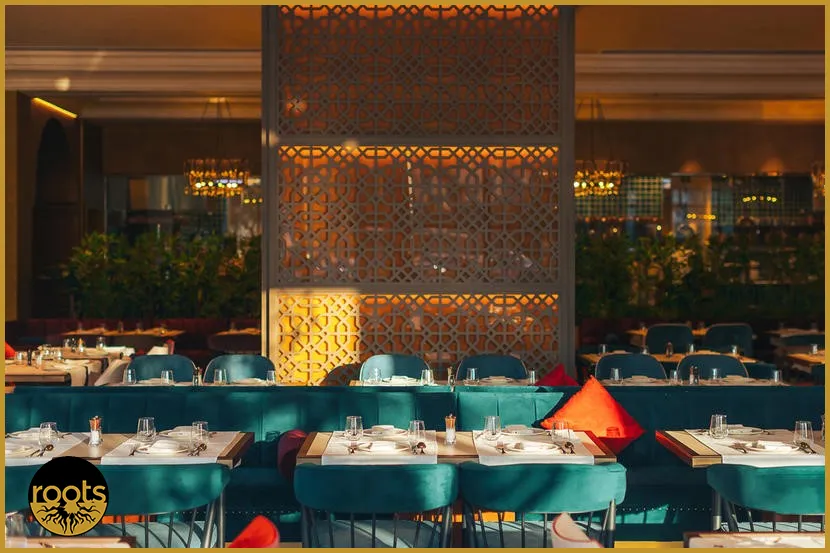
Architectural Restaurant Design and Interiors: A Comprehensive Guide
In today's competitive environment, the restaurant sector must offer its guests unforgettable experiences in terms of both flavor and atmosphere in order to stand out. One of the cornerstones of this experience is architectural restaurant design and restaurant interior designs. A successful restaurant design not only addresses aesthetic concerns but also increases operational efficiency, raises customer satisfaction and strengthens the brand's identity.
What Is Restaurant Design and Why Is It Important?
Architectural restaurant design is the process of planning and implementing all the elements that make up the physical environment of a dining venue in harmony with the venue's functionality, aesthetics, brand identity and target audience. This process encompasses far more than just painting walls or placing furniture. It also includes the flow of the space, its lighting, acoustic arrangement, seating layout, the placement of kitchen and service areas, the location of restrooms and even the appearance of the exterior facade.
Why is it important?
- First Impression: Customers form an impression the moment they step into the venue. Good design creates an inviting and professional first impression.
- Brand Identity: The design should reflect the restaurant's concept, the food it serves and its overall ambiance.
- Customer Experience: Comfortable seating areas, appropriate lighting and a spacious atmosphere directly affect customer satisfaction.
- Operational Efficiency: Cleverly designed kitchen and service areas enable staff to work faster and more effectively.
- Competitive Advantage: A unique and memorable design makes it easier to differentiate from competitors and attract more customers.
Who Is It Suitable For?
Architectural restaurant design and interior designs are essential not only for new restaurants at the startup level but also for operators who want to renovate their existing restaurant or change its concept.
- New Restaurant Investors: When establishing a venue from scratch, taking the right steps from the very beginning reduces costs and prevents potential future problems.
- Existing Restaurant Owners: Businesses that need renovation due to outdated decor, inadequate operations or changing market trends.
- Those Wanting to Make a Concept Change: Restaurants that want to switch to a different type of cuisine or expand their target audience.
- Those Aiming to Strengthen Their Brand: Businesses of every scale that want to raise the value and perception of their restaurant.
What Needs Does It Meet?
A comprehensive restaurant design meets multifaceted needs:
- Functionality and Utility: It optimizes operational needs such as customer flow, service routes, kitchen preparation areas and storage areas.
- Aesthetics and Atmosphere: It creates visual appeal and an inviting atmosphere in line with the intended concept and brand identity.
- Customer Comfort: It ensures guests' comfort with ergonomic furniture, appropriate sound insulation, ideal lighting and temperature control.
- Safety and Hygiene: From material selection to space arrangement, it helps ensure hygiene standards and safety measures.
- Cost Effectiveness: By choosing durable and easy-to-maintain materials in the long term, it can reduce operating expenses.
When Should It Be Preferred?
The restaurant design process should begin before the venue is physically built or the existing venue is rearranged.
- When Establishing a New Venue: Even at the leasing or purchasing stage, the venue's potential and design requirements should be taken into consideration.
- When Renovating an Existing Venue: If a renovation or large-scale renewal project is planned.
- At the Concept Determination Stage: Working with a designer should begin while fundamental decisions are being made, such as what type of cuisine the restaurant will offer, its target audience and its overall atmosphere.
- While Developing Marketing and Branding Strategies: The venue's visual identity should be integrated with marketing materials and the brand story.
In What Ways Does It Differ from Alternatives?
Restaurant design is different from superficial decoration such as merely choosing furniture or wall paint. When architectural restaurant design is projected by experts in the field:
- Integrated Approach: It focuses not only on aesthetics but also on operations, customer experience and brand integrity.
- Long-Term Solutions: It offers long-lasting and sustainable solutions with durable materials, correct lighting planning and smart use of space.
- Professional Expertise: It requires expertise in subjects such as space planning, material knowledge, construction regulations and ergonomics.
- Cost Optimization: Correct planning made at the beginning prevents expensive renovations and operational inefficiencies that may arise in later stages.
Materials Used in Restaurant Design and Their Features
Material selection directly affects both the aesthetics and the durability of the restaurant. Here are some common material types and their comparisons:
| Material Type | Durability | Area of Use (Indoor/Outdoor) | Average Cost (Relative) |
|---|---|---|---|
| Natural Stone (Marble, Granite) | Very High | Indoor (countertop, floor, wall), Exterior Facade | High |
| Wood (Solid, Veneer) | Medium - High (depending on processing) | Indoor (furniture, floor, wall cladding) | Medium - High |
| Metal (Stainless Steel, Iron) | High | Indoor (furniture, lighting, decoration), Exterior Facade | Medium |
| Concrete (Decorative/Polished) | High | Indoor (floor, wall, ceiling), Exterior Facade | Low - Medium |
| Ceramic and Porcelain | High | Indoor (floor, wall), Exterior Facade | Low - Medium |
| Glass (Tempered, Laminated) | Medium - High | Indoor (partitions, doors, lighting), Exterior Facade | Medium |
| Fabric and Upholstery Materials | Medium (depending on use) | Indoor (armchairs, chairs, curtains) | Variable |
Points to Consider Before Purchasing
Since the restaurant design process is an investment, it is important to pay attention to the following points when making decisions and before starting the project:
- 1. Conduct a Comprehensive Needs Analysis: Clarify the fundamental elements such as your restaurant's concept, target audience, capacity, kitchen type and budget.
- 2. Get Professional Support: Working with an experienced architect or interior architect increases the likelihood of your project succeeding. Check their references and review their previous projects.
- 3. Create a Detailed Budget: Prepare a realistic budget that includes all items such as design, materials, construction, furniture, lighting and decoration. Do not forget to allocate a margin for unexpected expenses.
- 4. Space Analysis and Knowledge of Regulations: Learn technical details in advance such as architectural plans, the physical features of the existing space, its structural systems and municipal regulations.
- 5. Know Your Target Audience: Make sure that the design is compatible with the expectations and lifestyle of the customer group you want to appeal to.
- 6. Do Not Overlook Operational Efficiency: In addition to aesthetics, make sure that a planning is made that will facilitate the operation of the kitchen and service areas. Areas where staff can move comfortably and correct equipment placement are important.
Frequently Asked Questions
What are the most important elements in restaurant design?
What are your design suggestions for a small restaurant?
What are the trends in restaurant interior designs?
Why is the design of kitchen and service areas so important?
What should outdoor restaurant design pay attention to?











































































