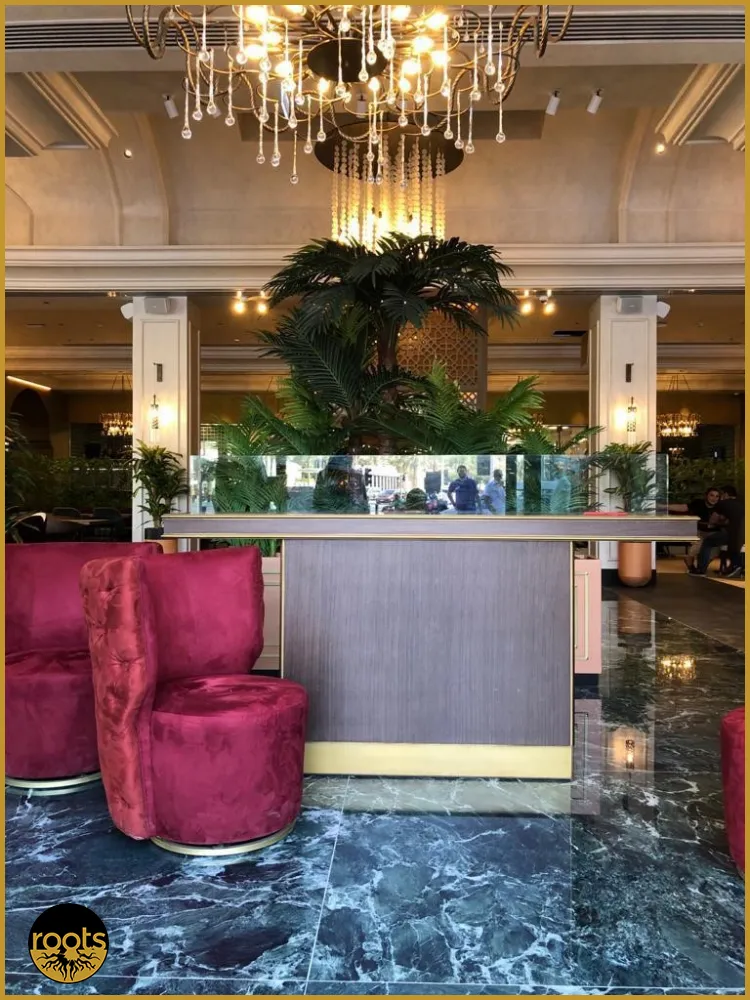
ARCHITECTURAL RESTAURANT DESIGN AND INTERIOR SOLUTIONS
The success of a restaurant is directly related not only to the flavors it offers but also to the spatial experience it provides to its guests. Architectural restaurant design, beyond aesthetic concerns, is a strategic process that brings together operational efficiency and customer comfort. A well-structured interior reflects the character of the brand while also optimizing staff traffic and contributing to business profitability.
What Needs Does the Design Process Address?
Professional restaurant design provides solutions to many technical and psychological problems that a business may encounter. In this process, the goal is not just a "beautiful" appearance but the following fundamental needs:
- Acoustic Comfort: An environment where customers can hear each other comfortably while background noise is minimized.
- Lighting Strategy: Layered lighting solutions that highlight the presentation of dishes and add depth to the space.
- Ergonomics and Layout: The distance of waiter routes to the kitchen and the preservation of privacy between tables.
- Air Quality: Preventing kitchen odors from seeping into the dining area with a powerful ventilation system.
Who Is It Suitable For and When Should It Be Preferred?
Architectural design services appeal to a wide audience, from entrepreneurs opening a new business to experienced operators wishing to modernize their existing space. An original interior design is indispensable especially for luxury restaurants with a Fine Dining concept, Fast Food chains with high turnover, and boutique cafes. If you feel inefficient use of space in your venue or observe a decline in customer loyalty, it means the time has come for a professional touch.
Material Selection: The Balance of Durability and Aesthetics
Materials to be used in restaurant interiors must be resistant to heavy foot traffic, humidity levels, and cleaning chemicals. The following table compares commonly preferred material types according to different criteria:
| Material Type | Area of Use | Durability | Cost Axis |
|---|---|---|---|
| Natural Stone / Marble | Countertops, Flooring | High (Stain sensitivity exists) | High |
| Solid Wood | Tables, Wall Panels | Medium (Requires maintenance) | Medium - High |
| Industrial Epoxy | Kitchen, Modern Flooring | Very High | Economical |
| Metal / Steel Accents | Decoration, Lighting | High | Medium |
Points to Consider in the Decision-Making Process
Evaluating the following critical points before starting a design project will accelerate the return on investment:
- Concept Harmony: The design must establish a visual connection with the culinary culture you offer (e.g., Italian, Far Eastern).
- Kitchen and Service Balance: How much of the total area will be allocated to the kitchen and how much to customers must be calculated with mathematical precision.
- Sustainability: Easy-to-clean fabrics and energy-efficient lighting systems reduce costs in the long term.
- Local Regulations: The design's compliance with fire exits, disabled access, and hygiene certifications must be checked in advance.
What Makes It Different from Alternatives?
Unlike standard furniture purchases, architectural design produces space-specific solutions. While ready-made decoration packages do not suit every space, architectural project design optimizes every detail, from ceiling height to natural light angle, specifically for your business. This transforms the space from merely a "place to eat" into a "living space."
Frequently Asked Questions
A well-planned kitchen layout reduces staffing needs, while choosing durable materials prevents long-term renovation costs.
The strategic use of mirrors, light color palettes and modular furniture make small spaces look more spacious and functional.
Depending on the size of the space and the details of the project, the design process takes between 2 and 6 weeks, while the implementation process varies according to the complexity of the concept.
In conclusion, restaurant interior design is not a luxury, but a necessary investment to survive in the highly competitive gastronomy sector. A professional architectural approach blends aesthetics and functionality, allowing you to offer your guests unforgettable moments.











































































