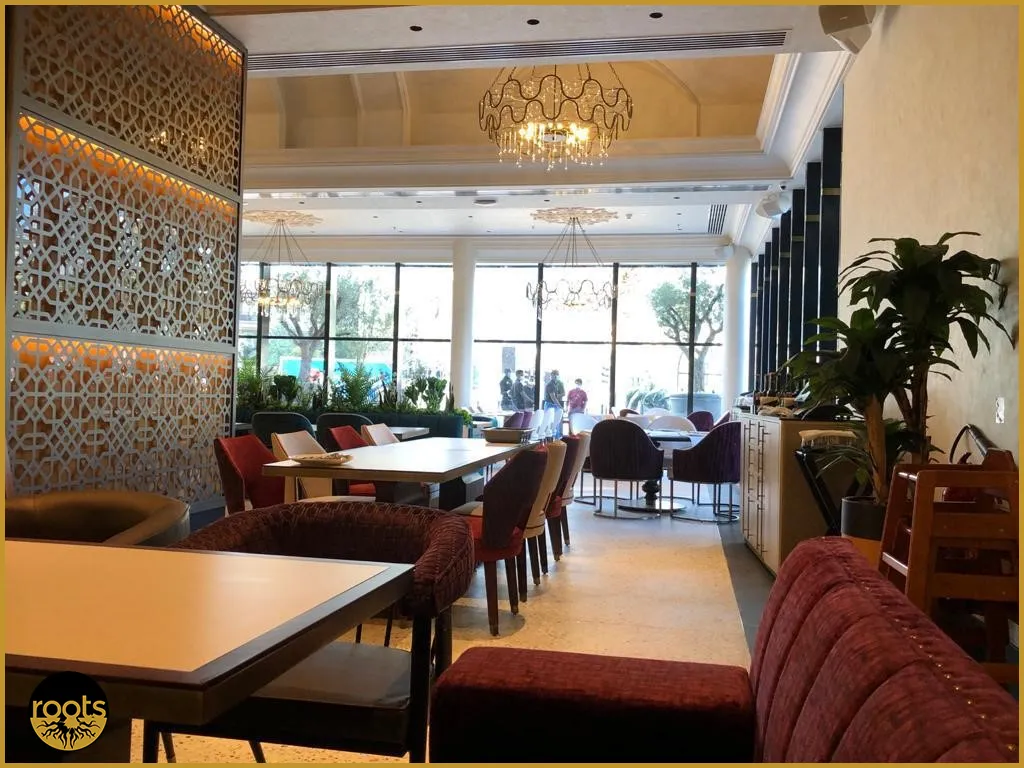
Architectural Restaurant Design and Interior Solutions
Architectural restaurant design, which combines aesthetics and functionality, plays a critical role in your restaurant's success. While the atmosphere of the space directly affects your guests' experience, the created environment reflecting your brand identity helps you build customer loyalty in the long term.
Why Is Restaurant Design Important?
A restaurant's interior is more than just a place to eat. It is also a statement of identity, a storytelling tool and an experience you offer to your guests. A well-designed restaurant provides the following:
- First Impression: It is the first element that welcomes your customers and enables them to make a quick decision about your venue.
- Brand Identity: It strengthens your brand value by creating an atmosphere suited to your concept, cuisine and target audience.
- Customer Experience: It pleases your guests with comfortable seating arrangements, appropriate lighting and smooth circulation areas.
- Functionality: It offers the right kitchen layout, storage areas and service routes that enable staff to work efficiently.
- Competitive Advantage: It enables you to make a difference and stand out in the crowded restaurant industry.
What Do Restaurant Interior Designs Focus On?
A comprehensive restaurant interior design considers practical and operational needs as well as aesthetic elements. These focus areas are:
- Concept Development: The core theme that defines the spirit and story of the space.
- Spatial Planning (Layout): The most efficient placement of seating areas, service routes, kitchen, restrooms and entrances-exits.
- Lighting Design: General lighting, accent lighting and creating ambiance.
- Material Selection: Determining materials that are suitable in terms of durability, aesthetics, ease of maintenance and budget.
- Furniture and Accessory Selection: Comfortable and functional furniture and decorative elements compatible with the concept.
- Acoustic Design: Providing a comfortable listening environment by keeping noise levels under control.
- Use of Color and Texture: The color palette and surface textures that shape the atmosphere and perception of the space.
- Bathroom and Restroom Design: Areas where cleanliness, aesthetics and comfort are offered together.
- Integration of Kitchen and Service Areas: Smooth transition and workflow between customer areas and the kitchen.
Who Is It Suitable For?
Restaurant design appeals to a wide audience, from entrepreneurs planning to open a new venue to business owners who want their existing venues renovated:
- Those considering opening a new restaurant, cafe, bar or bistro.
- Those who want to update or change the concept of their existing venues.
- Business owners who want to increase customer satisfaction and make their venues more attractive.
- Those who want to create a difference in their venues to stand out in competition.
- Those who want to optimize staff costs by increasing operational efficiency.
Which Needs Does It Meet?
A professional restaurant design responds to many fundamental needs:
- Aesthetic Need: It improves the visual appeal and atmosphere of the space.
- Functional Need: It increases customer flow, service speed and staff efficiency.
- Psychological Need: It ensures that guests feel comfortable, safe and pleased.
- Branding Need: It strengthens the brand identity of the venue and offers a memorable experience.
- Cost Efficiency: In the long term, correct materials and planning can reduce maintenance and operating costs.
In Which Situations Should It Be Preferred?
Restaurant design is an important decision point in many different scenarios:
- Opening a New Venue: To create the planning and atmosphere most suited to your concept when establishing a restaurant from scratch.
- Renovation of an Existing Venue: To modernize venues that are aging, outdated or have lost their functionality.
- Concept Change: When transitioning to a different type of cuisine or redefining the brand identity.
- Customer Complaints: If recurring complaints are received about the atmosphere, comfort or operation of the venue.
- Market Competition: To make a difference and attract customers in a market where competitor venues stand out.
In What Ways Does It Differ From Alternatives?
The possible alternatives encountered in the restaurant design process can generally be **improvised solutions** or **non-professional approaches**. A professional architectural restaurant design differs from these alternatives in the following ways:
- Holistic Approach: Instead of focusing solely on decoration, it addresses all elements as a whole, from spatial planning to functionality, from aesthetics to material selection.
- Expertise: It offers expertise in subjects such as customer behavior, ergonomics, material science and construction processes.
- Efficiency Focus: It creates spaces that are not only beautiful but also operationally efficient, long-lasting and sustainable.
- Risk Reduction: It prevents costly mistakes that may arise from faulty planning or wrong material selection.
- Brand Consistency: It ensures that the space is in full harmony with the brand identity.
Points to Consider in Material Selection
The materials to be used in restaurant spaces affect both the aesthetic appearance and durability. Here is a comparison of some commonly used material types:
| Material Type | Durability | Interior/Exterior Architectural Use | Cost (General Assessment) | Features |
|---|---|---|---|---|
| Natural Stone (Marble, Granite) | High | Both Interior and Exterior (with suitable coating) | High | Aesthetic, Prestigious, Weight |
| Wood | Medium (depending on treatment) | Generally Interior (special treatments required for exterior) | Medium-High | Warm, Natural, Flexible Design |
| Ceramic and Porcelain Tile | High | Both Interior and Exterior | Low-Medium | Easy to Clean, Wide Pattern Options, Hygienic |
| Concrete and Microcement | High | Both Interior and Exterior | Medium | Modern, Industrial, Workable Surface |
| Metal (Stainless Steel, Iron) | High | Both Interior and Exterior | Medium-High | Industrial, Modern, Sturdy |
| Glass | Medium (risk of fragility) | Generally Interior (special safety glass for exterior) | Medium | Transparency, Sense of Spaciousness, Brightness |
Points to Consider Before Purchasing
Paying attention to the following points before receiving a restaurant design service or starting a renovation project will ensure that the process progresses more smoothly:
- Determining a Clear Concept: Clarify what kind of restaurant you want to open, your target audience and your brand identity.
- Budget Planning: Create a realistic budget for all items such as design, construction, furniture, lighting and decoration.
- Space Analysis: Learn about the advantages, disadvantages, legal restrictions and potential of your existing space.
- Experience of the Design Team: Review their previous restaurant projects, check their references and evaluate their communication style.
- Contract Details: Make a clear contract on subjects such as project scope, delivery dates, payment plan and how possible changes will be managed.
- Permit and License Processes: Learn about the necessary municipal permits, licenses and structural arrangements.
- Long-Term Thinking: Consider not only today but also possible future changes and maintenance needs.
- Balance of Functionality and Aesthetics: Aim for a space that is not only beautiful but also operationally efficient and user-friendly.
Frequently Asked Questions (FAQ)
The restaurant design budget varies greatly depending on the size of the space, the complexity of the concept, the quality of materials, the choice of furniture and lighting, and the scope of the renovation. As a general rule, 10% to 20% of the restaurant's total investment cost can be allocated for design and interior architecture. However, this ratio may vary from project to project. Working with a professional designer will help you use your budget more efficiently.
Decorating an existing restaurant generally involves changing the atmosphere, furniture and colors while preserving the existing structural elements. This can be a faster and more cost-effective process. Designing from scratch, on the other hand, covers the entire planning of the space, its layout, electrical and plumbing installations, and sometimes even the position of the walls. This offers the opportunity to shape the space entirely as you wish, but requires more time and budget.
A well-executed restaurant design increases customer satisfaction, strengthens brand perception and optimizes operational efficiency. This means more repeat customers, higher occupancy rates and therefore more revenue. A poorly designed space, on the other hand, can negatively affect the business due to lack of comfort, low efficiency and negative customer experiences.
Lighting is one of the most important elements that determine the atmosphere of a restaurant. The right lighting can make the space more inviting, warm and comfortable. By using different types of lighting (general, task, ambient), different areas of the space can be highlighted and the desired mood can be created. For example, while dim, warm lights are preferred for a more intimate dining experience, brighter and natural light use is important for a cafe serving during the day.
The decoration style should be fully compatible with your restaurant's concept, target audience and the cuisine it offers. For example, while warmer and natural materials are used for a modern Italian restaurant, a more minimalist and sophisticated approach can be adopted for a fine-dining restaurant. Rustic or modern industrial details may be suitable for an industrial kitchen. What matters is to create a consistent style that matches your brand identity.
This content has been prepared for informational purposes for restaurant investors and operators.











































































