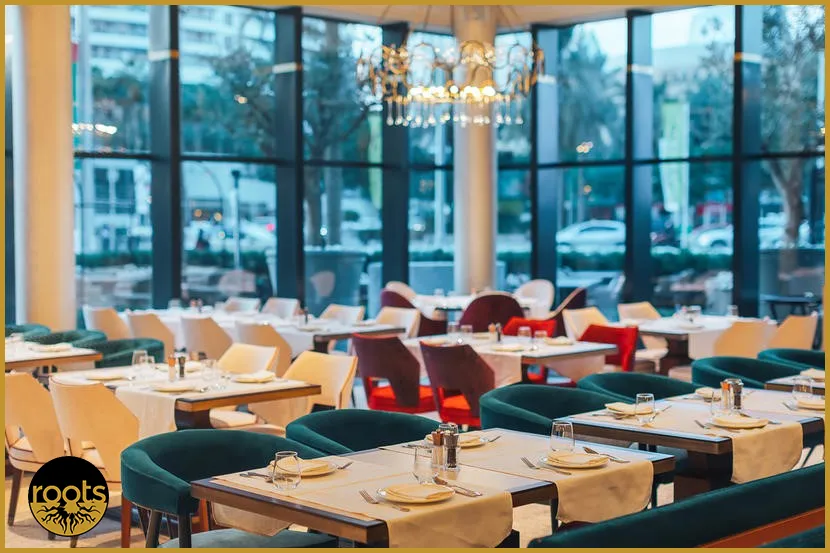
Architectural Restaurant Design and Interior Designs
The success of your restaurant is directly related not only to the flavors you offer but also to the overall experience you present to your guests. One of the cornerstones of this experience is undoubtedly architectural restaurant design and carefully shaped restaurant interior designs. The atmosphere, aesthetics and functionality of a venue deeply affect how long your customers will stay there, whether they will visit again and their overall thoughts about the venue.
What Is Architectural Restaurant Design and Why Is It Important?
Architectural restaurant design is the process of making a restaurant's physical space suitable for its concept, functional and aesthetically appealing. This does not mean merely painting the walls or placing furniture. It covers many elements such as the overall setup of the venue, customer flow, seating arrangements, lighting scenarios, acoustic arrangements, and the efficiency of kitchen and service areas.
Its important aspects are as follows:
- Reflecting Brand Identity: Your design should visually convey your restaurant's concept, cuisine and brand values. The design language of a classic Italian restaurant and a modern fusion cuisine will be different.
- Customer Experience: Comfortable seating areas, a feeling of spaciousness, appropriate lighting and well-thought-out acoustics make your guests feel comfortable and offer a more enjoyable dining experience.
- Operational Efficiency: A good design enables your staff to work faster and more efficiently. Details such as the location of service areas, the distance to the kitchen and the accessibility of restrooms directly affect operational flow.
- Competitive Advantage: Differentiating and memorable designs help your restaurant stand out in a highly competitive environment.
What Needs Do Restaurant Interior Designs Meet?
Restaurant interior designs aim to meet various needs of a business for both its guests and its employees:
- Aesthetic Satisfaction: A striking venue that suits your concept offers your guests a visual feast.
- Comfort and Functionality: Seating arrangements, table spacing and circulation areas ensure that users move comfortably and have a pleasant time.
- Creating Atmosphere: Lighting, color palette, material selection and decorative elements determine the overall atmosphere of the venue. This can range from a dim and intimate environment for a romantic dinner to a lively and energetic atmosphere in a fast-service venue.
- Customer Loyalty: A positive venue experience encourages guests to return.
- Integration of Kitchen and Service Areas: The design includes the arrangements necessary for kitchen operations to run smoothly and for service staff to provide effective service to customers.
Who Is It Suitable For?
Architectural restaurant design and interior designs apply to all kinds of food and beverage businesses:
- Restaurants to Be Newly Opened: Those who want to reflect their brand identity and concept correctly from day one.
- Those Who Want to Renovate Their Existing Restaurants: Operators who want to modernize their venues, improve customer experience or increase their competitive strength.
- Businesses with Different Concepts: Luxury restaurants, bistros, cafes, bars, pubs, fast-food chains, themed restaurants and more.
- Investors: People who are considering opening a restaurant as a real estate investment or who want to add value to their existing investments.
In Which Situations Should It Be Preferred?
Starting a professional architectural restaurant design process would be beneficial in the following situations:
- Opening a New Venue: To create the most suitable, functional and aesthetic structure for your concept.
- Decline in Customer Satisfaction: If you think the atmosphere or layout of the venue disturbs your guests.
- Operational Inefficiency: In cases where your staff's movement areas are narrow and service processes are disrupted.
- Brand Renewal: When you want to update your restaurant's image and give it a more modern look.
- Market Competition: When you want to counter your competitors' prominent venue designs and make a difference.
- Venue Change or Renovation: When the intended use of the existing venue changes or a comprehensive renovation is required.
Materials Used in Architectural Restaurant Design
Material selection directly affects the overall aesthetics, durability and budget of the restaurant. Different materials have advantages and disadvantages.
| Material Type | Durability | Indoor Use | Outdoor Use | Cost (Generally) |
|---|---|---|---|---|
| Natural Stone (Marble, Granite) | Very High | Flooring, wall cladding, countertop | Limited (Treated, specially coated) | High |
| Wood (Solid, Veneer) | Medium - High (With protection) | Flooring, wall cladding, furniture, ceiling | Limited (Outdoor products should be preferred) | Medium - High |
| Metal (Stainless Steel, Iron, Aluminum) | Very High | Furniture, lighting, decoration, kitchen equipment | High (Stainless feature) | Medium - High |
| Concrete (Decorative) | Very High | Flooring, wall cladding, ceiling, furniture | High | Medium |
| Ceramic and Porcelain | High | Flooring, wall cladding, countertop | High (Special ceramics) | Low - Medium |
| Glass | Medium (Breakable) | Table surfaces, partition panels, lighting | Limited (Tempered, laminated glass) | Medium |
| Textile (Fabrics, Leather) | Medium (Varies by intensive use) | Seat upholstery, curtains, wall coverings | Not used | Medium - High |
What Are Its Differences from Alternatives?
Professional architectural restaurant design differs from standard decoration solutions in the following ways:
- Holistic Approach: Instead of focusing on individual elements, it addresses all components of the space (structural, functional, aesthetic) as a whole.
- Customer Focus: The design process is shaped by considering the expectations, habits and comfort of the target audience.
- Operational Optimization: In addition to aesthetic concerns, it offers solutions that increase the efficiency of operational processes such as kitchen, service, reception and customer flow.
- Expertise and Experience: Technical details such as the acoustics of spaces, lighting principles, material science and ergonomics are handled by experts in the field.
- Long-Term Investment: It produces timeless and functional solutions that will preserve their value for many years, not according to short-term trends.
- Compliance with Legal Regulations: Designs are carried out in accordance with legal regulations such as fire safety and accessibility standards.
What Should Be Considered Before Purchasing (Receiving Service)?
Important points you should pay attention to before receiving an architectural restaurant design service are as follows:
- Portfolio and References: Take a look at the design team's previous restaurant projects and achievements. Examine whether they have projects similar to your concept.
- Concept Understanding: Evaluate how well the team understands your vision, brand identity and target audience.
- Communication and Collaboration: It is important that communication channels remain open throughout the design process and that your feedback is taken into account.
- Technical Expertise: Obtain information about their competencies in areas such as material knowledge, engineering principles and budget management.
- Budget Planning: Clarify the scope of the proposal offered by the design team and whether it meets your expectations within the budget. Obtain information about additional costs.
- Contract Details: Make sure that a clear contract is made on issues such as project delivery dates, payment plan and how requests outside the project scope will be managed.
- Sustainability and Accessibility: Question whether they adopt modern design principles such as the venue's energy efficiency, the use of environmentally friendly materials and accessibility for individuals with disabilities.
Frequently Asked Questions
In order to take your restaurant's success to the next level, to take your guests on an unforgettable journey and to increase your operational efficiency, professional architectural restaurant design and meticulous interior designs play a critical role. This process should be seen as an investment and managed carefully.











































































