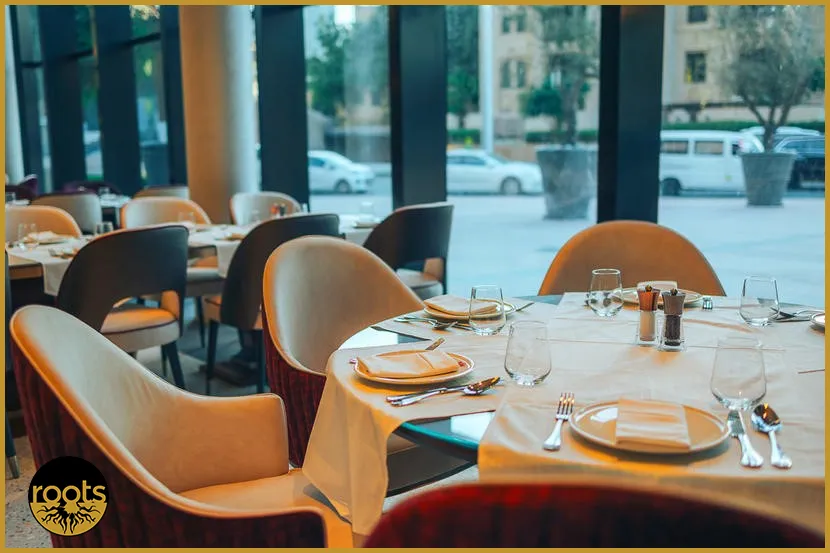
Architectural Restaurant Design: Spaces Where Aesthetics and Functionality Meet
In the success of your restaurant, the atmosphere of your space plays a critical role as much as the flavors you offer. Architectural restaurant design not only provides an aesthetic appearance but also maximizes customer satisfaction by increasing operational efficiency. This comprehensive guide offers everything you are curious about your restaurant's interior design and the information that will support your decision-making process.
What Is Restaurant Interior Design?
Restaurant interior design is a planning and implementation process that brings together aesthetic and functional elements reflecting a restaurant's concept, brand identity and target audience. This process covers the customer experience, atmosphere, seating arrangement, lighting, material selection and even kitchen flow.
Why Is Architectural Restaurant Design Important?
A well-designed restaurant offers customers an unforgettable experience. The atmosphere of the space can even influence the perception of flavor. A successful restaurant interior design provides the following benefits:
- Increased Customer Satisfaction: Comfortable, inviting and aesthetically appealing spaces encourage customers to stay longer and visit again.
- Strong Brand Identity: Design tells the story of your restaurant and enables you to differentiate from your competitors.
- Operational Efficiency: Designs that optimize customer flow and facilitate communication between kitchen and service areas allow staff to work faster and more effectively.
- Visual Appeal and Marketing: Beautiful photos shared on social media make a significant contribution to the promotion of your restaurant.
- Full Use of the Space's Potential: Making the best use of the area offers the opportunity to host more customers or create a more spacious environment.
Who Is It Suitable For?
Architectural restaurant design appeals to a wide audience, from restaurants to be newly opened to business owners who want to renovate their existing space. In particular:
- New business owners who want to clarify their concept.
- Existing restaurant owners who want to increase customer satisfaction and return rates.
- Businesses that want to strengthen their brand image and stand out in competition.
- Entrepreneurs who want to make better use of the potential of their spaces.
Which Needs Does It Meet?
Professional restaurant design meets many fundamental needs:
- Space Arrangement and Flow: Ensuring smooth movement of customers and staff.
- Creating Atmosphere: Establishing an ambience suited to the target audience (e.g. intimate, luxurious, energetic).
- Functionality: Ease of use of areas such as seating areas, service stations, bar and restrooms.
- Aesthetics and Visual Harmony: Choosing colors, textures and furniture compatible with the brand identity.
- Lighting Planning: Managing the ambience and perception of the space with the right lighting.
- Acoustic Arrangement: Providing a more pleasant environment by reducing disturbing noise.
- Kitchen Area Design: Arrangements that increase the efficiency and safety of kitchen staff.
In Which Situations Should It Be Preferred?
Some situations in which you might consider getting architectural design support for your restaurant are:
- When opening a new restaurant.
- When you want to renovate the decoration of your existing restaurant.
- When you realize that some of the customer complaints are related to the space.
- When you want to update or strengthen your brand image.
- When you aim for a rearrangement and an increase in efficiency in the space.
- When you want to realize a specific concept (e.g. fine dining, fast casual, themed restaurant).
Material Selection and Comparison
In restaurant design, material selection is of great importance in terms of the durability, aesthetics and cost of the space. The prominent features of different material types are as follows:
| Material Type | Durability | Area of Use (Indoor/Outdoor) | Average Cost | Prominent Features |
|---|---|---|---|---|
| Natural Wood | Medium - High (depending on processing) | Indoor (outdoor with special treatments) | Medium - High | Warm, natural and aesthetic appearance. Easy to process. |
| Marble / Granite | High | Indoor and Outdoor | High | Luxurious, durable and easy to clean. Heavy and costly. |
| Concrete (Decorative) | High | Indoor and Outdoor | Medium | Industrial, modern and minimalist appearance. May be sensitive to scratches and stains. |
| Metal (Stainless Steel, Iron) | High | Indoor and Outdoor | Medium - High | Durable, industrial or modern appearances. Precautions may be needed against the risk of rusting. |
| Ceramic / Porcelain Tile | High | Indoor and Outdoor (suitable type must be selected) | Low - Medium | Wide range of patterns and colors. Easy to clean, durable. |
| Glass (Tempered, Laminated) | Medium - High (depending on type) | Indoor and Outdoor | Medium - High | Makes the space look bright and spacious. Tempered or laminated should be preferred for safety. |
| Textile Products (Fabric, Leather) | Medium | Indoor | Low - Medium | Layers of comfort and aesthetics. There is a risk of easy staining and wear. |
What Are Its Differences from Alternatives?
Restaurant design is not just about decoration. Unlike standard decoration or do-it-yourself aménagement approaches, architectural restaurant design:
- Offers a Holistic Approach: It focuses not only on aesthetics but on all functional requirements of the space (flow, lighting, acoustics, safety, etc.).
- Requires Professional Expertise: Architects combine technical knowledge and creativity to make the best use of the space's potential.
- Produces Long-Term Solutions: It aims for designs that maintain their functionality even if aesthetic trends fade.
- Ensures Legal Compliance: It observes compliance with legal requirements such as fire regulations and accessibility standards.
- Integrates the Brand: It works in full harmony with the restaurant's concept and brand identity.
What Should Be Considered Before Purchasing (or Projecting)?
Important points to consider before starting an architectural restaurant design project or purchasing this service are as follows:
- Budget Determination: Clearly determine the overall budget of your project.
- Target Audience Analysis: Understanding whom you want to appeal to and their expectations.
- Concept Definition: Clarifying your restaurant's main theme, cuisine and the message it wants to convey.
- Space Analysis: Understanding the physical characteristics, advantages and disadvantages of your existing space.
- Reference Research: Examining the portfolios of architecture firms that have previously worked on similar projects.
- Communication and Trust: Making sure you can establish open and transparent communication with the architecture team.
- Project Scope: Clarifying which services are included (concept development, detailed project, implementation consulting, etc.).
- Timeline: Getting information about which stage of the project will take how long.











































































