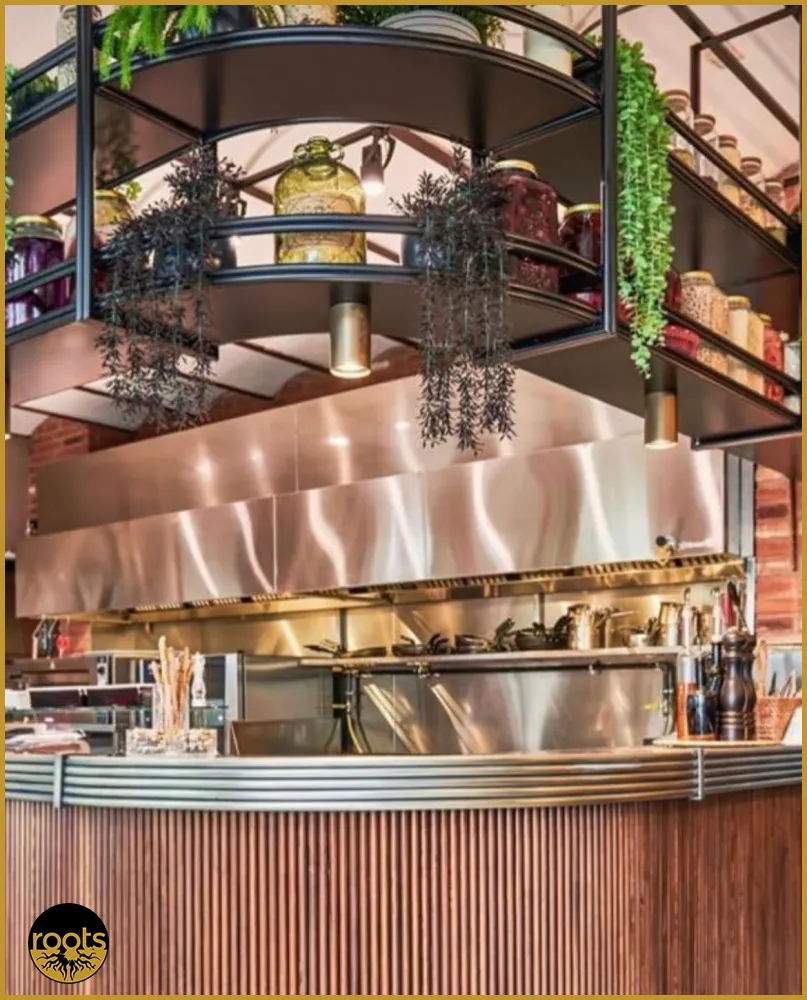
Strategic Approaches in Restaurant Architecture and the Power of Design
For a restaurant business, architectural design is not only an aesthetic choice but also a strategic investment that directly affects operational efficiency and customer satisfaction. Architectural restaurant design is the art of transforming a brand's identity into a physical space. A good design determines the atmosphere the customer feels from the moment they enter the door, the speed of staff movement between the kitchen and the tables, and the overall acoustic comfort of the space.
Professional interior designs optimize the time guests spend in the space while also offering solutions that minimize operational costs for business owners. This process covers a wide technical discipline, from capacity planning of the space to kitchen ergonomics, from lighting scenarios to ventilation systems.
Who Is the Design Process Suitable For?
Restaurant interior projects are of vital importance not only for businesses that will newly open but also for every kind of gastronomy venue that wants to refresh its brand image or aims to eliminate existing operational problems:
- New Entrepreneurs: Those who will open a restaurant for the first time and want to build their concept on the right foundations.
- Chain Restaurants: Businesses that are in the process of franchising and aim to create a standard brand language in every venue.
- Those Changing Concept: Venues that change their existing menu or target audience and seek a new ambiance suited to this.
- Those Experiencing Efficiency Problems: Professionals who experience disruptions in kitchen flow or service speed and need spatial arrangement.
Needs Met in Restaurant Interior Design
An architectural touch responds to many fundamental needs a business faces. At the forefront of these is managing customer traffic. The balance between the waiting area at the entrance and the dining areas must meet the needs for privacy and socialization at the same time. In addition, thanks to acoustic arrangement, noise pollution is prevented and guests are enabled to converse comfortably.
From a technical perspective, legal and operational requirements such as compliance with industrial kitchen standards, fire regulations, disabled access and selection of hygienic surfaces are an inseparable part of the design. While correctly planned lighting makes the presentation of dishes more appetizing, the right color palette strengthens the psychological effect of the brand.
Material Selection and Technical Comparison
In restaurant designs, material selection directly affects both the budget and the lifespan of the space. The following table summarizes the performance of frequently preferred material types across different disciplines:
| Material Type | Durability | Area of Use | Cost Scale | Maintenance Need |
|---|---|---|---|---|
| Natural Stone / Marble | High | Floor, Bar Counter | High | Medium (Periodic Polishing) |
| Solid Wood | Medium | Furniture, Ceiling | Medium-High | High (Moisture Control) |
| Industrial Epoxy | Very High | Kitchen, Modern Floor | Low-Medium | Low (Easy to Clean) |
| Ceramic / Porcelain | High | Wet Areas, Wall | Variable | Very Low |
| Composite Panel | Medium | Exterior Facade, Decor | Medium | Low |
Points to Consider Before Purchasing and Implementation
Clarifying the following points before receiving a design service or starting the project will accelerate the return on investment:
- Concept Determination: Concepts such as fine dining, fast food or brasserie each have a different architectural language. Target audience analysis should be carried out before the design begins.
- Budget Planning: Not only decoration but also infrastructure (plumbing, ventilation, electrical) costs make up a significant part of the total budget.
- Kitchen and Service Flow: Staff movement areas (waiter routes) and customer areas must not overlap. Kitchen ergonomics is the most fundamental element determining service speed.
- Lighting and Climate Control: A space that is too hot or too cold, poor odor extraction or lights that strain the eyes can overshadow even the best food.
- Local Regulations: Municipal licensing procedures and fire department compliance requirements define the technical limits of the design.
Frequently Asked Questions
Answer: Colors affect customers' appetite and the time they spend in the space. For example, while warm tones (red, orange) create an appetite-stimulating and lively environment, pastel and cool tones offer a calmer atmosphere suited to longer seating periods.
Answer: Renovation increases brand value and attracts new customer groups by adapting to current trends. In addition, it provides savings in operational expenses by modernizing outdated and costly infrastructure systems (electrical, water, etc.).
Answer: In small areas, a perception of depth is created by using mirrors, correct light angles and modular furniture. Vertical storage solutions and open kitchen concepts make the space appear more spacious.
Answer: The duration varies depending on the size of the space and the scope of the project. Generally, the concept design process is planned for 2-4 weeks, while the implementation and construction phase is planned between 8-12 weeks depending on the project details.
Details That Make a Difference in Architectural Restaurant Design
The biggest difference that sets a restaurant apart from its competitors is care in the details. Everything from the weight of the entrance door to the angle of the lighting above the menu is part of a whole. In professional interior designs, the principle of "human-centered design" is applied, keeping both employee motivation and guest comfort at the highest level.
In conclusion, architectural restaurant design is not merely a decoration activity; it is the process of building a business's soul, efficiency and future. A properly analyzed space draws a sustainable success curve in the long term.











































































