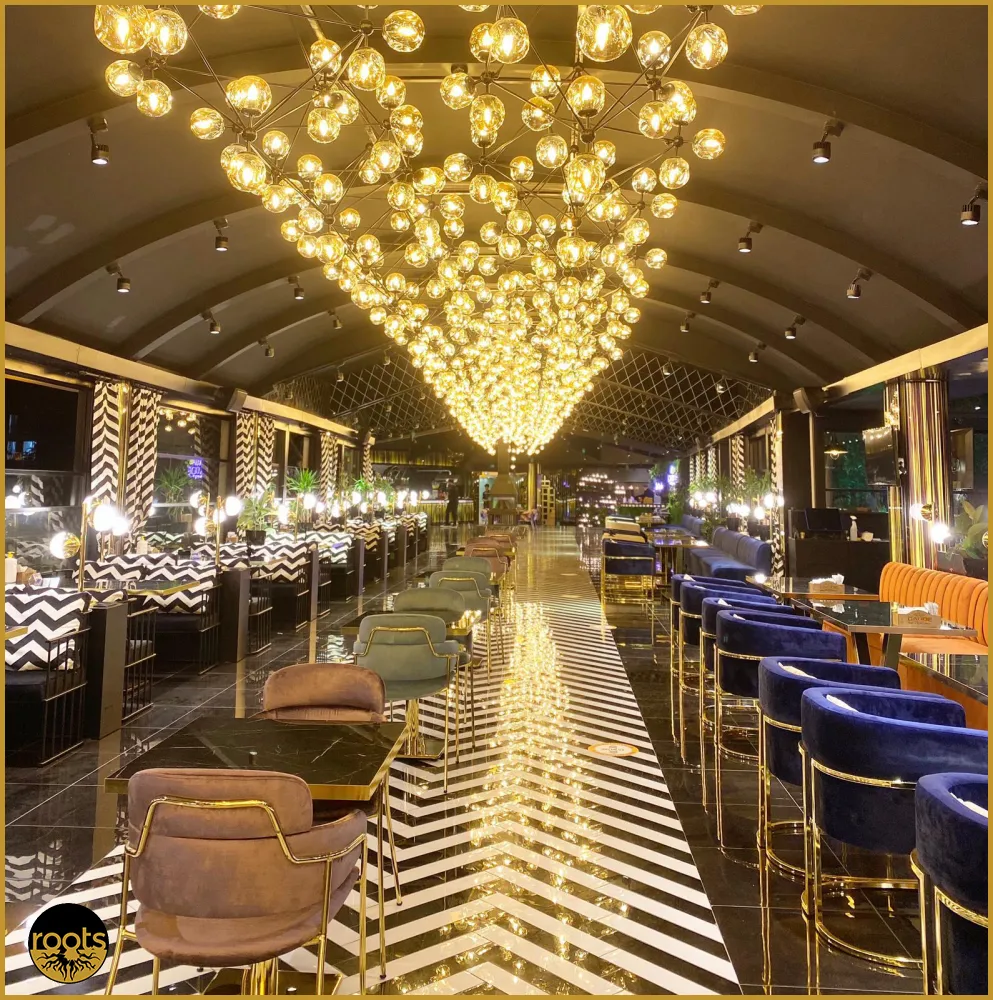
Architectural Restaurant Design: Brand Identity and Functionality
The success of a restaurant is directly related to the atmosphere it offers its guests, beyond the flavors it serves. Architectural restaurant design is not only an aesthetic concern but also a strategic process that determines operational efficiency, customer circulation and brand loyalty. Interior design, while creating the spirit of a space, encompasses a broad discipline of engineering and art, from kitchen operations to waiter routes, from lighting angles to acoustic arrangements.
The Importance of Restaurant Interior Designs for the Business
A professional interior design is the physical answer a business gives to the question "why should I be preferred?". A correctly constructed space optimizes the time a customer spends inside and their appetite for spending. The main functions of design are as follows:
- Customer Experience: Comfortable furniture and correct lighting make the customer feel safe and peaceful.
- Operational Efficiency: Ergonomic planning between the kitchen and service areas allows staff to work faster and without errors.
- Acoustic Comfort: Preventing sound reverberation within the space preserves privacy between tables and prevents noise pollution.
- Visual Marketing: In the age of social media, "photographable" corners help the restaurant promote itself organically.
Who Is It Suitable For and When Should It Be Preferred?
Architectural design support is a necessity not only for businesses that will newly open but also for those who want to modernize their existing structure. A professional interior architectural touch is critically important especially in the following situations:
- When creating a new brand identity.
- When the need arises to increase customer capacity in the existing space.
- When operational disruptions (slow service, kitchen bottlenecks) are experienced.
- When it is desired to differentiate from competitors and appeal to the target audience more effectively.
Material Selection and Durability Analysis
In restaurant designs, material selection directly affects both aesthetics and operating costs. The materials to be used in commercial areas must have high wear resistance and cleanability.
| Material Type | Durability | Interior/Exterior Architectural Suitability | Cost Axis |
|---|---|---|---|
| Natural Wood (Solid) | Medium (Requires maintenance) | Interior | High |
| Marble and Natural Stone | High | Interior and Exterior | Very High |
| Industrial Metal | Very High | Interior and Exterior | Medium |
| Ceramic and Porcelain | High (Easy to clean) | Interior (Floor/Wall) | Medium - Reasonable |
| Composite Panel | High | Exterior Facade / Terrace | Medium |
Technical Details to Consider During the Design Process
When designing a restaurant, it is not enough for it to only look "beautiful". The following technical parameters should be considered before purchasing and implementation:
- Lighting Hierarchy: General lighting, task lighting and accent lighting should be used in balance. Lights with high CRI values that show the true color of the food should be preferred.
- Ventilation and Air Conditioning: A powerful exhaust system and concealed air conditioning ducts that do not disturb customers should be designed so that kitchen odors do not leak into the dining area.
- Circulation Areas: Waiter service routes and customer toilet/exit routes should not overlap. Minimum passage corridor widths should be adhered to.
- Floor Selection: Non-slip floors should be selected in the kitchen, and surfaces that are both durable and sound-absorbing should be selected in the dining area.
Frequently Asked Questions
1. How does the concept determination process work in restaurant design?
The concept is determined according to the type of cuisine offered (Italian, Far Eastern, Local, etc.) and the demographic structure of the target audience. Every detail of the design is shaped around this main story.
2. How can we make a small restaurant space look larger?
The strategic use of mirrors, light color palettes, vertical lines and compact, minimalist furniture selections make the space feel more spacious than it is.
3. What do design costs vary according to?
Costs vary depending on the quality of the selected material, the m² size of the space, the need for renovation of installations (electrical/water/ventilation), and the amount of custom-made furniture.
4. Does lighting affect restaurant revenue?
Yes, lighting is a psychological element. Dimmer and warmer lights during evening meals can encourage customers to stay longer and order more drinks/desserts.
Tips for Choosing the Right Design Solution
Before making a purchasing decision, it is necessary to examine the previous references of the architectural team and especially to question their competence in technical implementation. A good design must be sustainable not only on paper but also on site. The final points to consider:
- Compatibility of the implementation period with the business's opening schedule.
- Warranty and service options for the materials used.
- Compliance of the design with local regulations and fire legislation.
- Material selections made while adhering to budget discipline.
In conclusion, a professional architectural restaurant design transforms a property into a living organism. A well-planned interior is the most solid foundation for the future success of the business.











































































