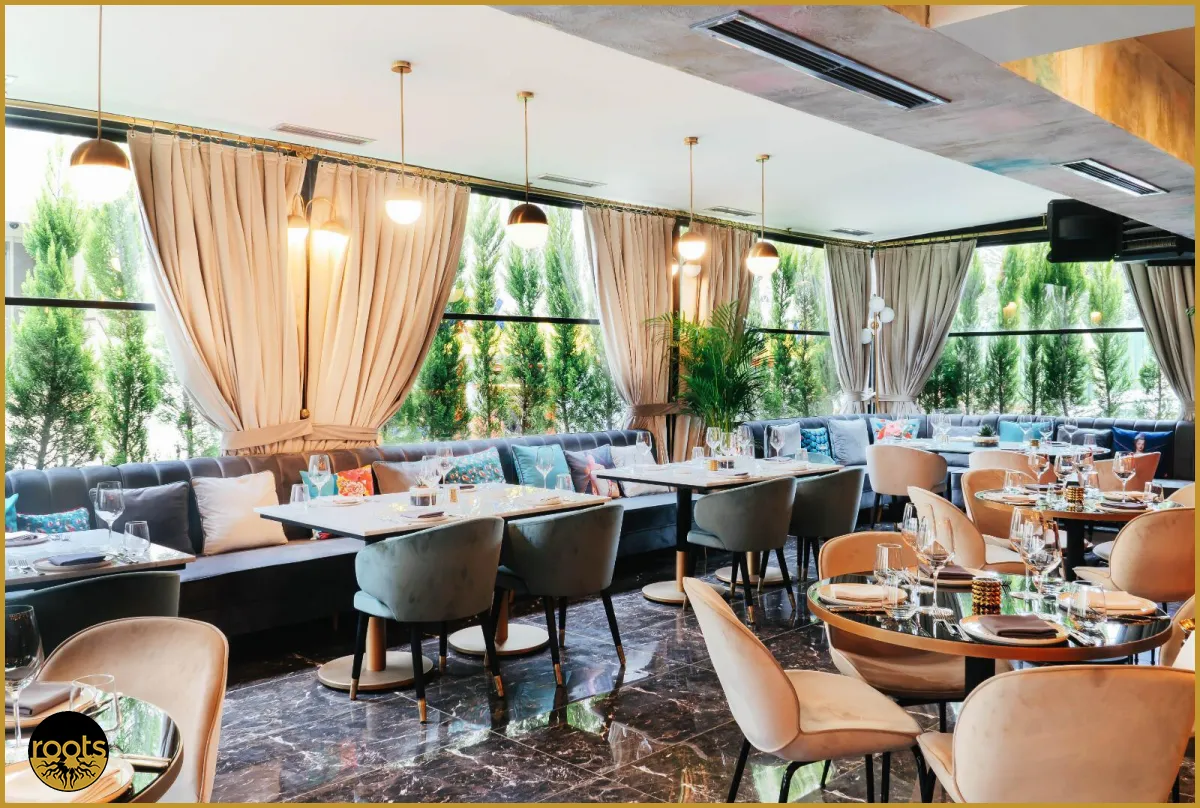
The Role of Architectural Restaurant Design in Business Success
For a restaurant business, architectural design is not only a visual arrangement but also an engineering process that directly affects operational efficiency and customer satisfaction. Architectural restaurant design encompasses all the elements that define the spirit of the space, transform the brand's identity into a physical form, and make the time guests spend in the venue high quality.
A correct interior design is formed by bringing together many technical details, from kitchen flow to service routes, from acoustic comfort to lighting balance. The main goal in this process is to produce functional solutions that optimize operating costs while presenting an aesthetic offering.
Why Are Restaurant Interior Designs Important?
Although there are many businesses in the market with similar menus, the main reason behind why some restaurants are preferred more is the "atmosphere" they offer. A professional interior design meets the following needs:
- Customer Experience: Comfortable seating areas and correct lighting allow customers to stay in the venue longer.
- Operational Speed: Correct planning of the traffic between service staff and the kitchen team shortens service time.
- Brand Loyalty: A unique and memorable design increases the brand's memorability.
- Space Efficiency: It provides the highest seating capacity per square meter without compromising comfort.
Key Elements to Consider in the Design Process
Before starting a design project, the type of business (fine-dining, fast-food, cafe, etc.) must be clarified. Every material to be selected and every layout plan to be preferred must be suitable for this concept. During the decision-making stage, the following points should be taken into consideration:
- Acoustic Planning: The noise level inside the restaurant is one of the most critical elements determining customer comfort. Sound-absorbing panels or suitable flooring materials should be preferred.
- Lighting Hierarchy: A balance should be established between general lighting, task lighting and accent lighting. The color of the light should make the food look appetizing.
- Ventilation and Air Conditioning: It is a technical necessity that kitchen odors do not leak into the dining area and that the venue always has fresh air.
- Material Selection: The selected materials must be both resistant to heavy traffic and suitable for the business's cleaning standards (easy to clean).
Material Comparison and Usage Analysis
| Material Type | Durability Level | Area of Use | Cost Index |
|---|---|---|---|
| Natural Wood | Medium (Requires Maintenance) | Interior / Furniture | High |
| Industrial Metal | Very High | Kitchen / Decorative Details | Medium |
| Porcelain / Ceramic | High | Floor / Wet Areas | Medium - Low |
| Composite Panels | High | Exterior Facade / Cladding | Medium |
Differences Between Alternative Design Approaches
Business owners are often undecided between ready-made template decorations and personalized architectural designs. Although standard solutions may seem advantageous in terms of cost at the beginning, architectural restaurant design stands apart in the long run with the following aspects:
While traditional decorations only embellish the existing space, professional interior architecture projects reconstruct the ergonomics of the area. For example; mirror tricks, light color palettes and vertical storage solutions to be used in a narrow space are not just a design preference but strategic interventions that increase the profitability of the venue.
Critical Tips Before Purchasing and Implementation
Reviewing the following items before starting to work with an architectural office or design team will increase the efficiency of your investment:
- Budget Planning: Determine the design and implementation budget as separate items. Set aside a 10% margin for unexpected technical expenses.
- Reference Check: Prefer teams that have previously completed restaurant projects of a similar scale. The technical requirements of commercial spaces are very different from residential ones.
- Permits and Regulations: Make sure the design complies with local authorities' fire, hygiene and accessibility regulations.
- Sustainability: Reduce your operating costs by choosing energy-efficient lighting systems and long-lasting materials.
Frequently Asked Questions
1. How long does the restaurant design process take on average?
Depending on the size of the project and the level of detail, the concept design process can take 2-4 weeks, while the implementation process can vary between 8-12 weeks.
2. Which design strategies should be applied for small spaces?
In small areas, a sense of spaciousness should be created by using minimal furniture, open kitchen concepts and functional lighting. Modular seating arrangements provide flexibility during busy hours.
3. How should the balance between kitchen and dining area be established?
As a general rule, 30%-40% of the total area should be allocated to kitchen and preparation areas, while the remaining part should be allocated to customer reception and service areas. However, the menu content can change these ratios.
In conclusion, architectural restaurant design is not just the shell of a business, but the cornerstone of its operation. A well-planned interior is the most important element that complements the quality of the food you serve to your guests. With professional support, you can build a business that is flawless in both aesthetic and functional terms.











































































