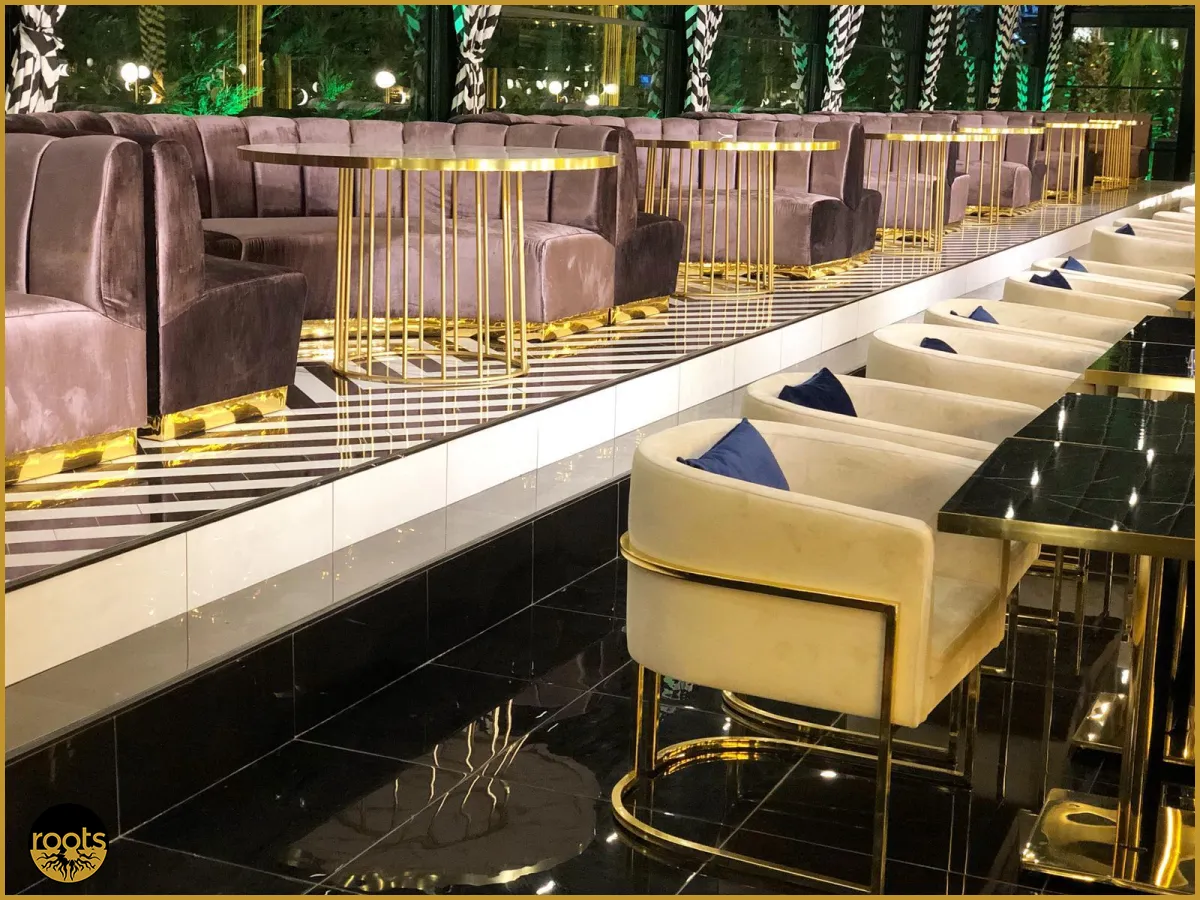
Architectural Restaurant Design: The Key to Creating a Successful Venue
Would you like your restaurant to be more than just a place that serves delicious food, but a destination that creates an unforgettable experience for your guests? Architectural restaurant design is the cornerstone of turning this vision into reality. The architectural and interior design of a venue directly affects not only aesthetic concerns but also functionality, brand identity and customer experience.
In this comprehensive guide, you will find everything you need to consider when choosing the right architectural and interior design for your restaurant. From what the product is, to which needs it meets, how it differs from alternatives, and what you should pay attention to before purchasing, you will find answers to all your questions.
What Is Restaurant Design and Why Is It Important?
Architectural restaurant design is the process of planning and implementing the physical structure, interior layout and aesthetics of a dining venue. This process determines the atmosphere of the venue, ensures customer comfort, increases operational efficiency and strengthens brand identity.
Main Objectives of Design:
- Customer Experience: To ensure that guests have a positive impression from the very first moment they step into the venue. To create unforgettable moments with comfortable seating areas, a pleasant atmosphere and an effective layout plan.
- Brand Identity: To offer an aesthetic and atmosphere in harmony with the restaurant's concept, target audience and values. To ensure brand consistency through logo, color palette, material and furniture choices.
- Functionality and Efficiency: To offer a smart space layout to optimize customer flow, facilitate the movement of service staff and ensure efficient kitchen operations.
- Spatial Perception: To use visual strategies that make small spaces feel larger and large spaces feel more intimate.
- Technological Integration: To integrate elements such as lighting, sound systems, ventilation and digital screens in an aesthetic and functional way.
Who Is It Suitable For?
Architectural restaurant design services are suitable for anyone operating in the food and beverage sector or planning to open a new venue. In this context:
- Those Opening a New Restaurant, Cafe or Bar: Entrepreneurs who want to design from scratch the venue where they will bring their concepts to life.
- Those Who Want to Renovate Their Existing Venue: Business owners who want to modernize their old or outdated venues and increase customer satisfaction and profitability.
- Those Who Want to Strengthen Their Brand Identity: Those who want to make the atmosphere and corporate identity of their existing restaurant more distinctive.
- Venues with Different Concepts: Custom solutions are produced for every type of food and beverage concept, from fine dining restaurants to fast food chains and thematic cafes.
Which Needs Does It Meet?
A professional architectural restaurant design offers solutions to many fundamental needs faced by a business:
- Increasing Space Efficiency: It makes staff and customer movement fluid while optimizing capacity.
- Raising Customer Satisfaction: By offering aesthetics, comfort and functionality together, it ensures that guests stay longer in the venue and leave satisfied.
- Facilitating Operational Processes: The harmony of the kitchen, service area and customer seating layout directly affects service quality.
- Reaching the Target Audience: The design is shaped to appeal to the customer profile targeted by the restaurant.
- Providing a Competitive Advantage: A unique and memorable design is a powerful tool for standing out from competitors.
- Cost Control: Budget-friendly and durable solutions can be offered at every step, from material selection to lighting.
In Which Situations Should It Be Preferred?
Investing in restaurant design becomes inevitable in various strategic situations:
- When Starting a New Business: For correct positioning and a strong first impression at the initial stage.
- When There Are Spatial Constraints: To use a small or irregular space in the most efficient way.
- During the Rebranding Process: With the goal of refreshing the corporate identity and reaching a new target audience.
- When Current Performance Is Low: In search of solutions to problems such as low customer satisfaction or declining revenue.
- When You Want to Change the Atmosphere of the Space: With the aim of creating a more modern, more classic, livelier or calmer atmosphere.
What Are the Differences from Alternatives?
Instead of standard decoration or do-it-yourself design work, professional architectural restaurant design stands out in the following aspects:
- Comprehensiveness and Integration: Beyond aesthetic concerns, it brings together many disciplines such as functionality, ergonomics, materials science, lighting engineering and even acoustics.
- Professional Perspective: It is carried out by experts who know industry trends, material properties, legal regulations and user psychology.
- Budget Optimization: Instead of random spending, it offers smart solutions that keep costs under control and provide long-term savings.
- Personalized Solutions: Original designs are developed to suit each restaurant's unique concept, location and target audience.
- Mastery of Technical Details: All technical details, from electrical installations to ventilation systems, from plumbing to floor coverings, are meticulously planned.
- Risk Reduction: It ensures the project progresses smoothly by anticipating and resolving problems that may arise during implementation.
Material Selection: Durability, Aesthetics and Cost
In restaurant design, material selection directly affects the overall appearance, durability and maintenance costs of the space. You can find a comparison of different material types in the table below:
| Material Type | Durability | Interior Architectural Use | Exterior Architectural Use | Cost (Overall Assessment) |
|---|---|---|---|---|
| Natural Stone (Marble, Granite, etc.) | Very High | Flooring, wall cladding, countertops, table surfaces | Facade cladding, floor paving | High |
| Wood (Solid, Veneer, Composite) | Medium-High (Depends on maintenance) | Flooring, wall cladding, furniture, ceiling | Specially treated woods | Medium-High |
| Ceramic and Porcelain Tile | High | Flooring, wall cladding, countertops | Flooring, wall cladding | Medium |
| Concrete and Micro Concrete | Very High | Flooring, wall cladding, ceiling, countertops | Facade, flooring | Medium |
| Metal (Stainless Steel, Iron, etc.) | High | Furniture, lighting, decorative elements, kitchen equipment | Facade elements, railings | Medium-High |
| Glass | Medium (Impact resistance) | Partitions, doors, table surfaces, lighting elements | Facade cladding, display windows | Medium |
| Textile (Fabric, Leather) | Medium (Depends on use) | Armchair, chair upholstery, curtains, wall covering | Not used | Medium |
Points to Consider Before Purchasing
Paying attention to the following points before receiving a restaurant design service will directly affect the success of your project:
- Define a Clear Concept: Clarify your restaurant's identity, target audience, menu and the atmosphere it wants to convey. This will help the designer understand your vision.
- Define Your Budget: Determine a clear budget you can allocate for the design process and implementation. This will enable the designer to make material and solution recommendations suited to your budget.
- Analyze the Space in Detail: Details such as the dimensions of the existing space, its lighting conditions and structural features directly affect the design process.
- Review References: Evaluate the designer's style and experience by reviewing their previous work, portfolio and client reviews.
- Communicate and Build Trust: Establishing open and honest communication with the designer is critical for smooth collaboration at every stage of the project.
- Make a Detailed Contract: Make a written contract that includes all details such as the scope of service, delivery dates, payment plan and possible revisions.
- Think Long-Term: Focus not only on visual aesthetics but also on the longevity of the space, ease of maintenance and operational efficiency.
- Research Legal Permits: Obtaining preliminary information about zoning and licensing regulations in the area where your space is located can facilitate the design process.











































































