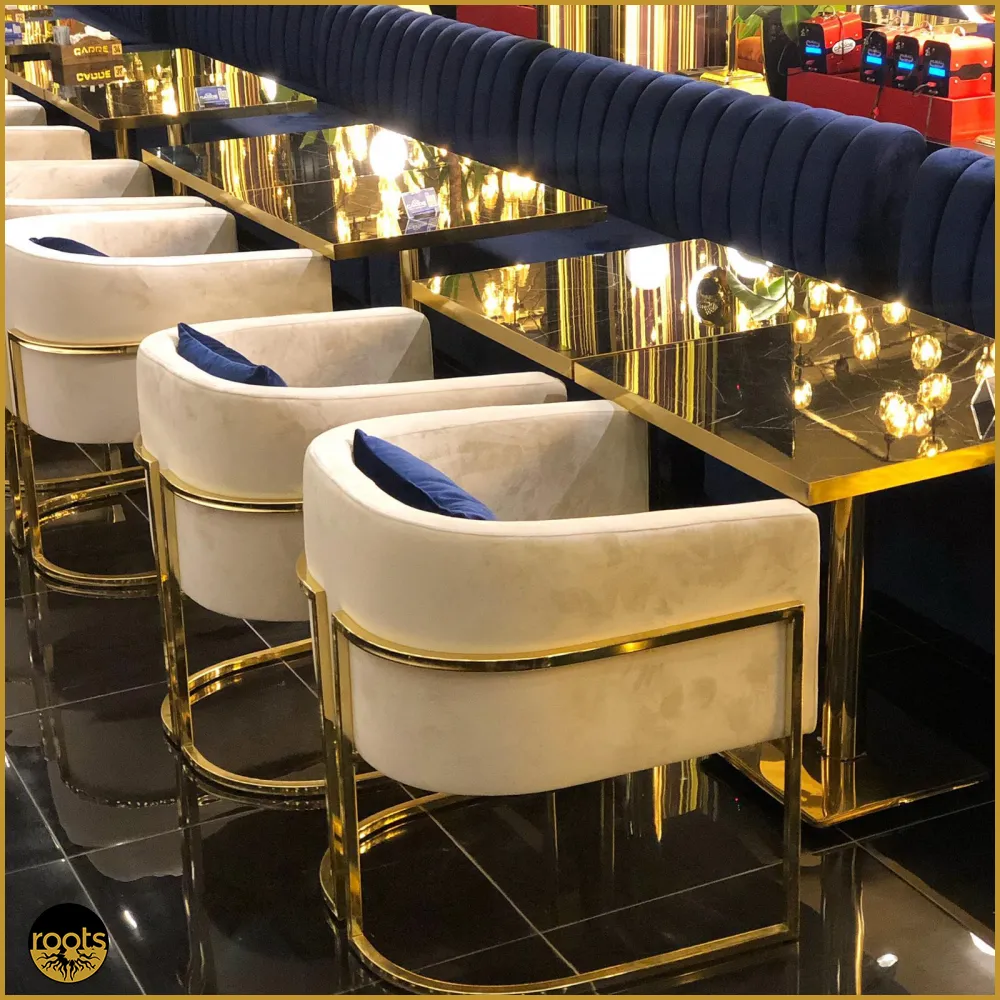
Architectural Restaurant Design: Transform Your Space into an Experience
The success of your restaurant is directly related not only to the flavors you offer but also to the atmosphere you create for your guests. Architectural restaurant design is a complex process that brings together many elements, from aesthetics to functionality, from brand identity to customer experience. A well-designed interior attracts your customers inside, makes them feel comfortable, and ensures they return by offering an unforgettable experience.
In this comprehensive guide, you will find all the details to help you in the process of choosing the right interior design for your restaurant. We will cover what our product is, what it does, who it is suitable for, which needs it meets, in which situations it should be preferred, in what ways it differs from its alternatives, and what should be considered before purchasing.
What Is Restaurant Interior Design and Why Is It Important?
Restaurant interior design is the aesthetic, functional and comfortable planning and arrangement of a restaurant's physical space. This process covers the architectural structure of the space, its decoration, lighting, furniture, color palette and even its acoustics. Its main purpose is to create an attractive and comfortable environment for customers while maximizing operational efficiency.
The main reasons why it is important are as follows:
- First Impression and Brand Identity: The design of the space creates your guests' first impression of your restaurant. It helps establish a strong identity by reflecting your brand's values and concept.
- Customer Experience and Comfort: Comfortable seating arrangements, appropriate lighting, noise control and aesthetic elements directly affect guests' dining experience.
- Operational Efficiency: Design optimizes the flow between the kitchen and the service area, enabling staff to work more efficiently. Table layout also facilitates customer circulation.
- Space Utilization and Potential: Design can create more seating capacity by making the best use of the available space or offer different usage areas (bar, private rooms, etc.).
- Competitive Advantage: By standing out from ordinary spaces, striking and original designs provide a significant advantage over your competitors.
Who Is It Suitable For?
Architectural restaurant design service or our solutions in this direction are ideal for the following individuals and institutions:
- Those Opening a New Restaurant: Entrepreneurs with a restaurant project from scratch want to create a space that accurately reflects their brand identity and is operationally flawless.
- Those Wanting to Renovate Their Existing Restaurant: Restaurant owners whose venues have aged over time, become outdated or have operational problems may want to modernize their spaces to increase customer attraction and improve efficiency.
- Those Undergoing a Concept Change: Businesses transitioning to a different cuisine type or planning to completely change their restaurant's concept should support this process with a space design suited to the new concept.
- Those Who Value Branding: Business owners who aim to take their restaurant beyond being just a dining venue and offer a brand experience.
- Those Seeking Professional Support in Architecture and Design: Anyone who needs expert support to make their spaces the best they can be aesthetically and functionally.
Which Needs Does It Meet?
Restaurant interior designs are designed to meet multifaceted needs:
- Visual and Aesthetic Needs: It includes all visual elements that define the restaurant's atmosphere, from wall colors to lighting fixtures, from table arrangement to artistic objects.
- Functional and Operational Needs: It covers elements that ensure operational flow and efficiency, such as kitchen layout, service routes, customer seating arrangement, location of restrooms, and storage areas.
- Customer Comfort and Experience: It offers a well-lit and acoustically balanced environment where guests can sit and move comfortably.
- Brand Integrity: It strengthens brand identity by creating a design language compatible with the restaurant's menu, target audience and values.
- Regulatory and Safety Requirements: It ensures compliance with legal regulations such as fire exits, emergency lighting, and disabled access.
In Which Situations Should It Be Preferred?
In the following situations, receiving restaurant interior design service or investing in this direction is of great importance:
- Opening a New Restaurant: To create the right impression from day one and build a strong foundation.
- In Highly Competitive Sectors: To gain an aesthetic and functional advantage in order to differentiate and stand out.
- When Increasing Customer Satisfaction Is Desired: To attract more guests and raise the satisfaction of existing guests.
- When Inefficiency Is Felt in the Use of the Space: To solve problems such as tight areas, poor traffic flow or insufficient seating capacity.
- When the Existing Design Is Outdated or Out of Fashion: To adapt to current trends by modernizing the space.
- When a Brand Refresh or Concept Change Is Made: To create a space that reflects the new identity in the best way possible.
Alternatives and Differences of Architect Restaurant Design
Architect restaurant design generally offers a solution within itself. However, approaches to this process may vary:
- Do-It-Yourself (DIY) Approach: These are designs made by restaurant owners on their own or through acquaintances with interior architecture knowledge. Although they are generally lower in cost, a lack of professional perspective, operational efficiency and aesthetic consistency may be observed.
- Interior Decoration Companies: They mostly offer aesthetics-focused solutions. They may disregard the infrastructure and functionality of architectural projects.
- Architecture and Interior Architecture Offices: As we offer, they address both the structural and functional aspects of architectural projects and produce solutions focused on aesthetics and customer experience. This approach guarantees that the space is both beautiful and practical.
Our comprehensive architectural restaurant design approach is not limited to furniture selection or color harmony. It addresses the spirit of the space, the brand story and the operational flow as a whole. This aims to maximize the potential of the space.
Types and Features of Materials Used in Restaurant Design
The materials used in restaurant design directly affect the atmosphere, durability and cost of the space. Here are some commonly used material types:
| Material Type | Durability | Interior/Exterior Architectural Use | Cost (General Assessment) | Prominent Features |
|---|---|---|---|---|
| Natural Wood (Solid, Veneer) | Medium - High (Depending on processing and use) | Interior (High-quality veneers can also be used outdoors) | Medium - High | Creates a warm, natural and inviting atmosphere. Easy to process. |
| Marble and Granite | High | Interior and Exterior (Terrace and exterior facade claddings) | High | Offers a luxurious, durable and aesthetic appearance. Maintenance may require care. |
| Ceramic and Porcelain | High | Interior and Exterior (Floor, wall, countertop) | Low - Medium | Durable, stain-resistant, easy to clean. Offers a wide range of patterns and colors. |
| Concrete and Exposed Concrete | High | Interior and Exterior (Floor, wall, countertop, furniture) | Low - Medium | Provides a modern, industrial and minimalist look. Durable. |
| Metal (Iron, Steel, Brass, etc.) | High | Interior and Exterior (Decorative elements, furniture frames, lighting) | Medium - High | Creates industrial, modern or classic looks. Can come in different textures and colors. |
| Glass (Tempered, Frosted, etc.) | Medium - High (Tempered glass is highly durable) | Interior and Exterior (Doors, windows, partitions, table tops) | Medium | Adds spaciousness to the space, reflects light. Provides privacy in partitions. |
| Synthetic Leather / Vinyl | Medium - High | Interior (Sofas, chairs) | Low - Medium | Easy to clean, stain-resistant. More cost-effective than natural leather. |
| Textile Fabrics (Velvet, Linen, Cotton, etc.) | Medium | Interior (Sofas, curtains, decorative pillows) | Low - High (Varies by fabric type) | Creates a comfortable and warm atmosphere. High variety of colors and textures. |
Things to Consider Before Purchasing
Here are the important points to consider before making an investment in your restaurant's interior design:
- Define Your Target Audience: Who are you serving? Families, students, or business people? The design should match your target audience's expectations.
- Consistency with Your Brand Identity: The design should be compatible with your restaurant's logo, colors, cuisine and overall concept.
- Physical Characteristics of the Space: Take into account factors such as the size of the existing area, ceiling height, and natural light exposure.
- Budget Planning: Consider not only visible costs but also long-term maintenance, repair and operating costs.
- Functionality and Operational Flow: Plan a layout that ensures the kitchen, service, bar and customer areas work together harmoniously and efficiently.
- Regulations and Safety Standards: Make sure you comply with legal requirements such as fire regulations, disabled access, and hygiene standards.
- Lighting Plan: It is one of the most important elements that determine the ambiance of the space. Establish a balance between general lighting, task lighting and accent lighting.
- Acoustic Arrangement: Noise levels in restaurants directly affect comfort. Consider using sound insulation and absorbent materials.
- Durability and Ease of Maintenance: It is important to choose materials that are resistant to heavy use, easy to clean and practical to maintain.
- Getting Expert Advice: Working with an architect or interior designer helps you prevent potential mistakes and reveal the full potential of your space.
Frequently Asked Questions
Why can restaurant design be so costly?
Is professional design also necessary for a small restaurant?
What should be prioritized during the design process?
What is the role of lighting in creating the atmosphere of the space?
The right interior design is critical to maximizing your restaurant's identity, the experience you offer your guests and your operational efficiency. The information presented in this guide aims to guide you in your decision-making process.











































































