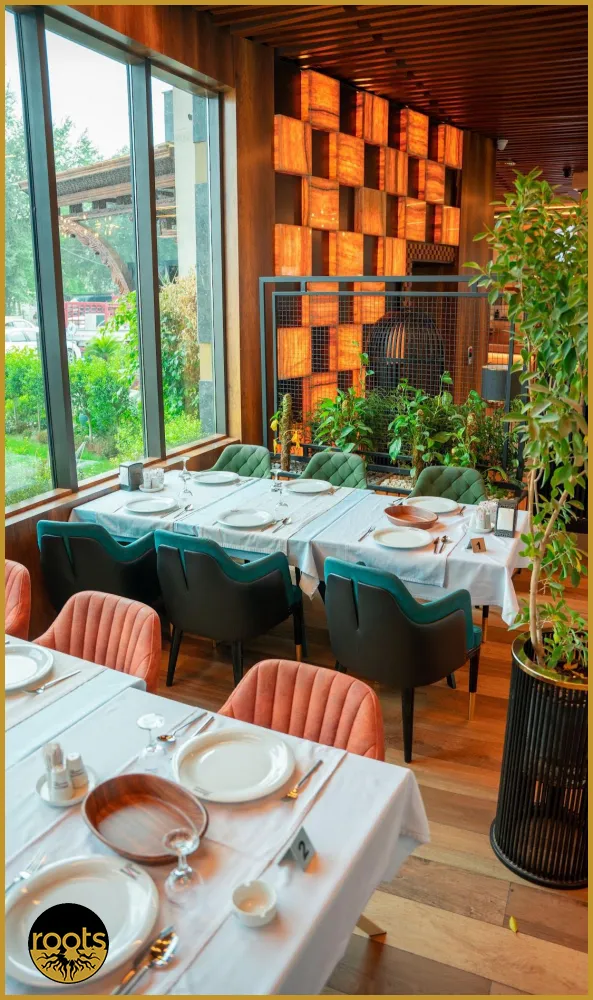
Architectural Restaurant Design: Transform Your Spaces
The success of a restaurant is directly related not only to the flavors it offers but also to the experience it provides. Architectural restaurant design is one of the most critical elements that determine the soul, identity and atmosphere of a dining venue. Designing a restaurant interior correctly affects many factors, from customers choosing the venue to the time they spend there and their desire to return.
Why Is Professional Restaurant Design Important?
Restaurant design is not merely an aesthetic concern. It also:
- Improves the customer experience.
- Increases the functionality of the space.
- Strengthens brand identity.
- Ensures operational efficiency.
- Creates a competitive advantage.
What Are the Key Elements in Restaurant Design?
Successful restaurant design is formed by the harmonious coming together of many components:
- Concept Definition: The type of your restaurant (fine dining, bistro, cafe, fast food, etc.), its target audience and the cuisine it will offer form the foundation of the design.
- Space Planning: Rational planning of areas such as seating layout, service areas, kitchen layout, restrooms and entrances and exits affects both customer comfort and staff efficiency.
- Atmosphere and Ambiance: A space-specific atmosphere is created with elements such as lighting, color palette, music, scent and furniture selection.
- Materials and Textures: The durability, aesthetics and ease of maintenance of the materials used are important. Materials such as wood, stone, metal and glass evoke different feelings.
- Ergonomics: It is important that seating heights, table spacing and work areas are ergonomic, considering the comfort of both customers and staff.
- Lighting Design: General lighting, task lighting and accent lighting strengthen the atmosphere of the space and ensure functionality.
- Acoustics: Proper distribution of sound and prevention of echo are important so that customers can find a comfortable environment for conversation.
Who Is Architectural Restaurant Design Suitable For?
Architectural restaurant design appeals to a wide audience, from entrepreneurs who want to open a new venue to business owners who want to renovate their existing spaces:
- Those planning to launch a new restaurant, cafe, bar or bistro.
- Those who want to change the concept of their existing restaurant or improve its atmosphere.
- Business owners who want to increase customer satisfaction and return rates.
- Restaurant owners who want to raise their operational efficiency.
- Those who want to strengthen their brand image and differentiate from their competitors.
What Needs Does It Meet?
Professional restaurant design meets the following key needs:
- Functionality: It provides a layout where customers can move comfortably and staff can work efficiently.
- Aesthetics and Identity: It enables the venue to gain an unforgettable identity that appeals to the target audience.
- Customer Experience: It creates a hospitable environment with comfortable seating areas, a pleasant atmosphere and well-thought-out details.
- Durability and Maintenance: It helps select long-lasting materials suitable for intensive use and easy to clean.
- Legal Compliance: It supports ensuring compliance with legal regulations such as fire safety and disabled access.
In Which Situations Should It Be Preferred?
Restaurant design services should especially be preferred in the following situations:
- Opening a New Venue: When creating a restaurant concept from scratch.
- Venue Renovation: Modernizing old and worn-out spaces or transforming them into a completely different concept.
- Concept Change: A change in the audience the existing restaurant appeals to or the need to adapt to new trends in the market.
- Customer Dissatisfaction: Businesses that continuously receive feedback about the atmosphere or functionality of the venue.
- Competitive Pressure: When there is a need to differentiate from other restaurants in the area and stand out.
In What Ways Does It Differ from Alternatives?
Although there are different approaches to restaurant design, professional architectural and interior design services stand out in the following ways:
- Holistic Approach: It considers not only decorative elements but the entire functionality, flow and user experience of the space.
- Expertise: It offers optimal solutions thanks to deep knowledge in subjects such as materials science, lighting techniques, ergonomics and color theory.
- Originality: It creates inimitable designs specific to each venue and suited to the brand's identity.
- Cost Effectiveness: Although it may seem like an investment at first, in the long run it provides cost advantages through correct decisions in material selection, operational efficiency and customer loyalty.
- Problem-Solving Ability: It finds creative solutions to challenges such as the geographical location, physical constraints or legal requirements of the venue.
| Material Type | Durability (Heavy Use) | Indoor Suitability | Outdoor Suitability | Cost (Estimated Starting) |
|---|---|---|---|---|
| Natural Stone (Granite, Marble, etc.) | High | High | Medium (Can be increased with special treatments) | High |
| Wood (Solid, Veneer) | Medium (Increases with proper treatment and maintenance) | High | Low (Except for treated special species) | Medium - High |
| Metal (Stainless Steel, Iron) | High | High | Medium - High (Varies by coating and treatment) | Medium - High |
| Concrete (Decorative Surfaces) | Very High | High | High | Low - Medium |
| Porcelain/Ceramic Tile | High | High | High | Low - Medium |
| Reinforced Concrete Panel/Precast | Very High | Medium (Mostly facade) | High | Medium |
Note: Costs may vary significantly depending on the type of material, workmanship and application.
What Should Be Considered Before Purchasing (Receiving Service)?
Paying attention to the following points before receiving an architectural restaurant design service will help you make the right choice:
- Portfolio and References: Review the designer's or company's previous restaurant projects. Evaluate whether their design language matches your expectations.
- Experience: Find out how experienced they are specifically in the restaurant sector. Their experience with different types of restaurants is important.
- Communication and Understanding: Observe how well they understand your vision and how much they take your ideas into account. Good communication is critical for the project to progress smoothly.
- Proposal and Contract: Make sure the proposal covers all services (concept development, 2D/3D drawings, material recommendations, project management, etc.). Read the contract details carefully.
- Timeline: Request a realistic timeline for which stage of the project will take how long.
- Budget Management: Ask for solutions that will not exceed your budget during the design process and to be informed about possible cost increases.
- Knowledge of Legal Requirements: Make sure the designer is knowledgeable about legal regulations applicable to restaurants, such as zoning, licensing, health and safety.











































































