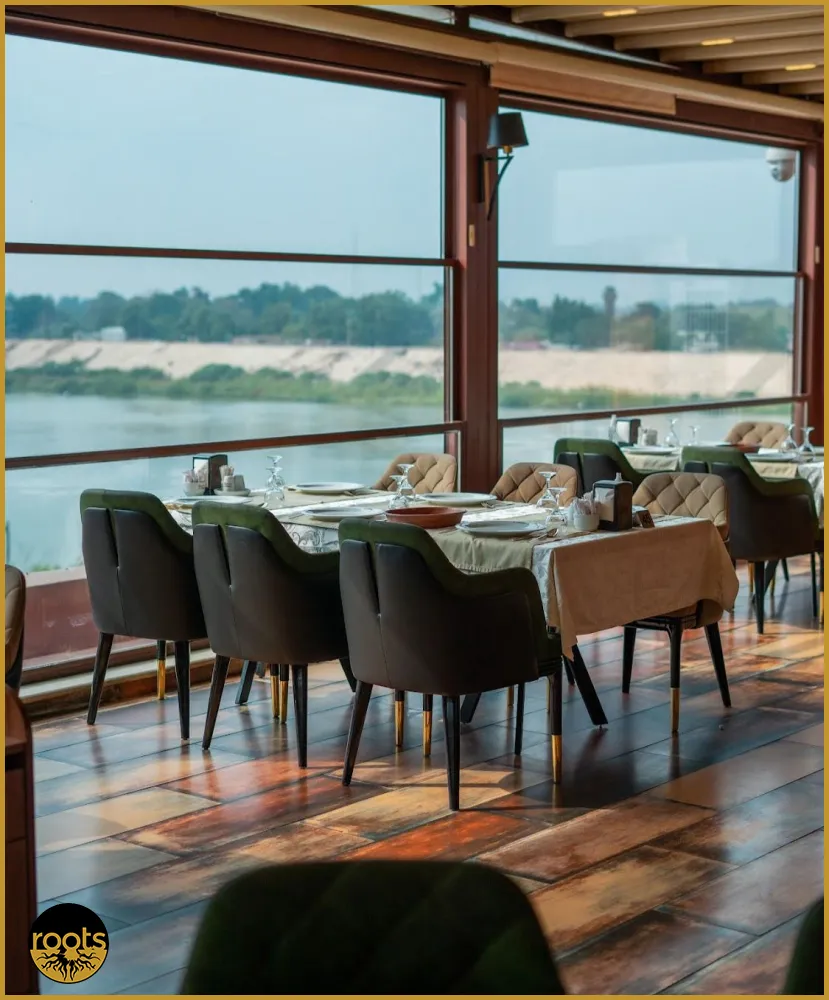
Architectural Restaurant Design: Spaces That Will Differentiate You and Your Customers
The success of your restaurant is not limited only to the flavors you offer. The space itself opens the doors to an unforgettable experience for your customers. Architectural restaurant design and restaurant interior designs are the art of creating comfortable and functional spaces that reflect your brand's identity.
What Is Restaurant Design and Why Is It Important?
Restaurant design is the planning of a dining venue in terms of both aesthetics and functionality. This process covers the architectural structure, the interior, furniture, lighting, color palette, material selections and even sound acoustics. A good restaurant design:
- Increases customer satisfaction.
- Strengthens brand awareness and loyalty.
- Supports operational efficiency.
- Enables you to stand out from competitors.
- Evokes the desired feeling by determining the atmosphere of the space.
Who Is It Suitable For?
Architectural restaurant design and interior designs are suitable for anyone who is opening a new restaurant, cafe, bar or bistro, or who wants to renovate an existing business. The target audience covers a wide range:
- New dining businesses to be established: Regardless of the concept, correct planning at the outset is critical for every type of restaurant.
- Those who want to renovate their existing restaurant: Businesses that want to adapt to changing trends over time, meet customer expectations or solve operational problems.
- Those who want to strengthen their brand identity: Those who want to reflect their restaurant's story and values in the space.
- Those who want to offer unique and memorable experiences: Operators who want to create spaces far from the ordinary that make their guests feel special.
What Needs Does It Meet?
A professional restaurant design responds to many fundamental needs:
- Customer Experience: It maximizes the customer experience with comfortable seating areas, good flow, a relaxing atmosphere and functional service points.
- Operational Efficiency: An effective flow between the kitchen, service area and seating layout enables staff to work faster and more efficiently.
- Space Utilization: Making the best use of every square meter increases capacity and prevents unnecessary waste of space.
- Brand Identity and Atmosphere: It tells your brand's story and creates the ambiance you want through colors, materials, lighting and decorative elements.
- Cost Control: With the right material selection and planning, you can reduce maintenance and renovation costs in the long term.
In Which Situations Should It Be Preferred?
Investing in restaurant design becomes inevitable especially in the following situations:
- When Opening a New Restaurant: To create a space that best suits your concept, appeals to your target audience and enables you to stand out in the competition.
- When Renovating Your Restaurant: In the face of outdated decoration, inadequate space utilization, customer complaints or changing trends.
- When You Will Try a Different Concept: When you want to create an atmosphere suited to a particular cuisine, era or theme.
- When You Want to Elevate Your Brand Perception: When you want to draw a quality and professional image and reach higher-segment customers.
- To Solve Spatial Problems: In situations such as making narrow spaces look more spacious, improving flow and eliminating sound problems.
Materials Used in Restaurant Design and Their Features
In restaurant design, material selection directly affects the aesthetics, durability, maintenance and cost of the space. Let's examine the popular material types and their features for different needs:
| Material Type | Durability | Indoor Use | Outdoor Use | Cost (Average) |
|---|---|---|---|---|
| Natural Stone (Marble, Granite, etc.) | Very High | Floor, countertop, wall cladding, decorative elements | Suitable (With special treatments) | High |
| Wood (Solid, Veneer, etc.) | Medium - High (Treated) | Floor, wall cladding, furniture, ceiling | Not Suitable (Requires special protection) | Medium - High |
| Concrete (Decorative, polished) | High | Floor, wall, ceiling, table tops | Suitable | Low - Medium |
| Ceramic & Porcelain | High | Floor, wall, countertop, kitchen areas | Suitable (Exterior facade ceramics) | Low - Medium |
| Metal (Stainless Steel, Iron, etc.) | Very High | Furniture legs, lighting elements, decorative details, kitchen equipment | Suitable (Stainless steel) | Medium - High |
| Fabric & Leather (Upholstery) | Medium (Depends on usage intensity) | Sofa, chair upholstery, curtains | Not Suitable | Low - High (Depending on material) |
What Are the Aspects That Set It Apart from Alternatives?
Every restaurant should have its own unique character. A professional architectural restaurant design reveals this originality while distinguishing itself from standard solutions in the following areas:
- Custom Concept Development: Not only aesthetics, but a unique concept is created in harmony with your business's mission, vision and target audience.
- Functionality and Ergonomics: As much as aesthetics, every detail from kitchen operations to customer flow is ensured to be functional and ergonomic.
- Material and Color Optimization: Durable, easy-to-maintain and cost-effective materials that support the atmosphere of the space are used in the right proportions.
- Lighting Strategy: From general lighting to accent lighting, special lighting plans are made that support the ambiance of the space and its usage areas.
- Acoustic Arrangement: In order to provide a comfortable listening environment, solutions are produced to keep noise under control.
- Compliance with Regulations: Designs are made in compliance with legal regulations such as fire safety and accessibility.
Frequently Asked Questions
Things to Consider Before Purchasing
Paying attention to the following points before purchasing an architectural restaurant design or interior design service is critical to the success of your project:
- Review References and Portfolio: Try to understand the designer's style, experience and working principles by reviewing their previous restaurant projects.
- Communication and Understanding: Make sure the designer understands you, listens to your expectations and shares your vision. Good communication ensures the process proceeds smoothly.
- Get a Detailed Quote: Get a written quote that clarifies which stages the design process covers, what is included in the price and what additional services are available.
- Cost Control: Clearly state your budget from the start and ask the designer to offer you the most suitable solutions within this budget. Request transparency regarding material and labor costs.
- Timeline: Ensure that a realistic timeline is created showing which stage of the project will take how long.
- Knowledge of Regulations: Make sure the designer is knowledgeable about legal requirements such as local zoning regulations, food safety standards and fire safety.
- Flexibility: Being open to small changes that may arise during the design process can increase your satisfaction with the final result.
To maximize your restaurant's potential, build customer loyalty and stand out from the competition, investing in the right architectural restaurant design and restaurant interior designs will be one of your most profitable decisions in the long term. Every detail of your space is part of the bond you establish with your customers.











































































