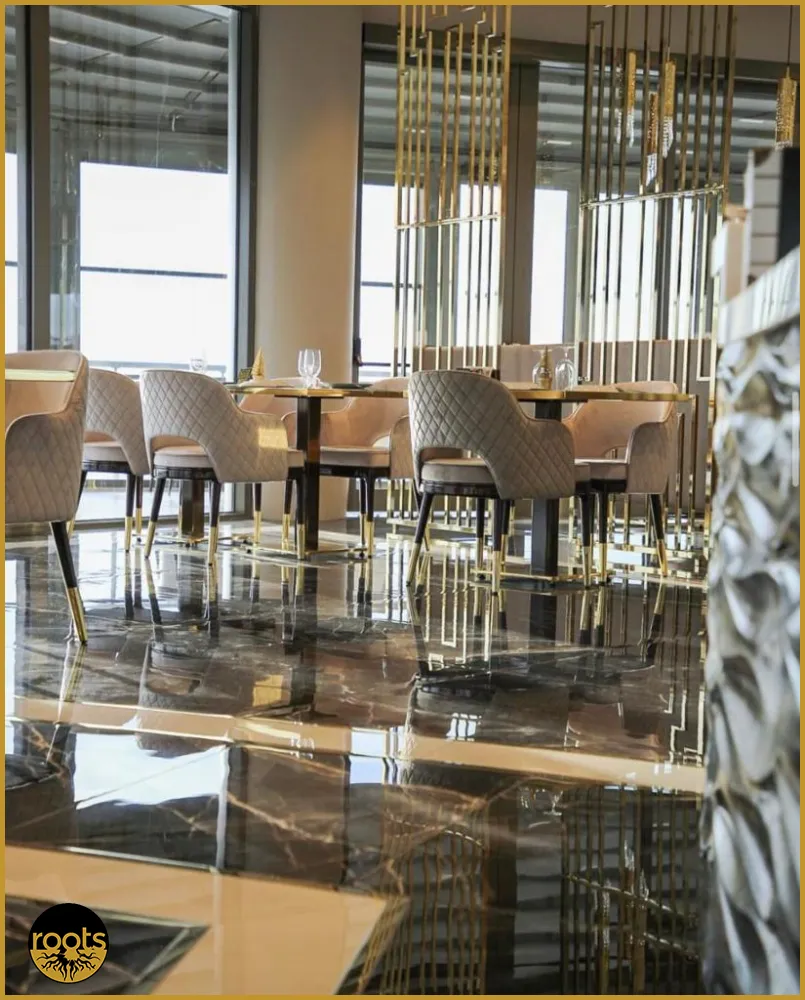
Fundamentals of Architectural Restaurant Design and Interior Space Planning
The success of a restaurant depends on the quality of the physical environment in which the flavors are presented as much as the flavors it offers. Architectural restaurant design is not merely an aesthetic decoration process; it is a holistic work of engineering and art where operational efficiency, customer psychology, brand identity and technical infrastructure come together. Professional interior design directly affects the time guests spend in the space, their perception of comfort and even their ordering habits.
The Function of Design and the Needs It Meets
In restaurant projects, the architectural touch aims to use the existing square meters of the space in the most efficient way. In this process, the following basic needs are met:
- Operational Flow: Uninterrupted circulation between the kitchen and the service area increases staff speed while reducing the margin of error.
- Acoustic Comfort: With the right material selection, noise pollution in the environment is prevented, and guests can hear each other comfortably.
- Lighting Strategy: Enabling the space to change atmosphere according to different times of the day is made possible with smart lighting automations.
- Ergonomics: Every detail, from seating arrangement to table heights, is planned according to anthropometric data for long-term comfort.
Who Is It Suitable For?
Architectural design services are suitable for entrepreneurs planning to establish a new business, restaurant owners who want to modernize their existing space, and chain brands aiming to reflect their corporate identity onto the physical space. Especially in fine-dining, fast-casual or boutique cafe concepts, creating an atmosphere that meets the expectations of the target audience is of vital importance.
Material Selection and Technical Comparison
The materials to be used in restaurant interiors should be selected according to durability, cleanability and aesthetic criteria. The following table summarizes the characteristics of some frequently preferred material types:
| Material Type | Durability Level | Area of Use | Cost Axis |
|---|---|---|---|
| Natural Stone (Marble/Granite) | Very High | Bar counters, flooring, focal walls | High |
| Solid Wood | Medium - High | Table tops, ceiling decorations | Medium / High |
| Industrial Epoxy | Very High | Kitchen floors, modern dining halls | Economical / Medium |
| Composite Panel / Metal | High | Exterior facade, kitchen equipment | Medium |
How It Differs from Alternative Design Approaches
While an ordinary decoration work focuses only on "beautifying," architectural restaurant design gives the space a soul and a system. Problems frequently encountered in standard decorations, such as "narrow service corridors," "insufficient ventilation" or "incorrect lighting," are solved in a professional architectural project by being simulated already at the design stage. Professional design is an investment that reduces renovation costs in the long term and optimizes operating costs.
Points to Consider in the Purchasing and Decision Process
Considering the following points before starting to work with a design office or architectural service is critical for the return on your investment (ROI):
- Concept Integrity: Question whether the design is compatible with the style of food on the menu and the target audience profile.
- Permits and Technical Regulations: Confirm that the chosen design complies with local municipal regulations, fire regulations and hygiene standards.
- Material Quality: Focus not only on the visuals but also on the wear resistance and ease of maintenance of the selected materials.
- Budget Management: The applicability of the design must remain within the determined budget limits.
Frequently Asked Questions
1. How long does the restaurant design process take?
Depending on the size of the space and the complexity of the concept, the design process generally varies between 2 and 6 weeks. The implementation phase is planned independently of this period.
2. What design strategy should be followed for small spaces?
In small spaces, the perception of depth is increased with mirrors, light color palettes and vertical storage solutions. By choosing modular furniture, the area can be used for different purposes at different times.
3. What is the effect of lighting on customers?
While warm-toned and low-level lighting encourages guests to stay in the venue longer; bright and dynamic lighting is more suitable for fast-food venues with fast circulation.
4. Is it difficult to renovate an existing restaurant?
Partial renovations can be planned while the business continues operating, but comprehensive changes may require a short-term halt in operations. With professional planning, this process is overcome with minimal loss.
In conclusion, restaurant interior design is the showcase of a business. A properly planned venue offers guests not just a meal, but an experience. For this experience to be sustainable, aesthetic values must be brought together with technical requirements in a flawless balance.











































































