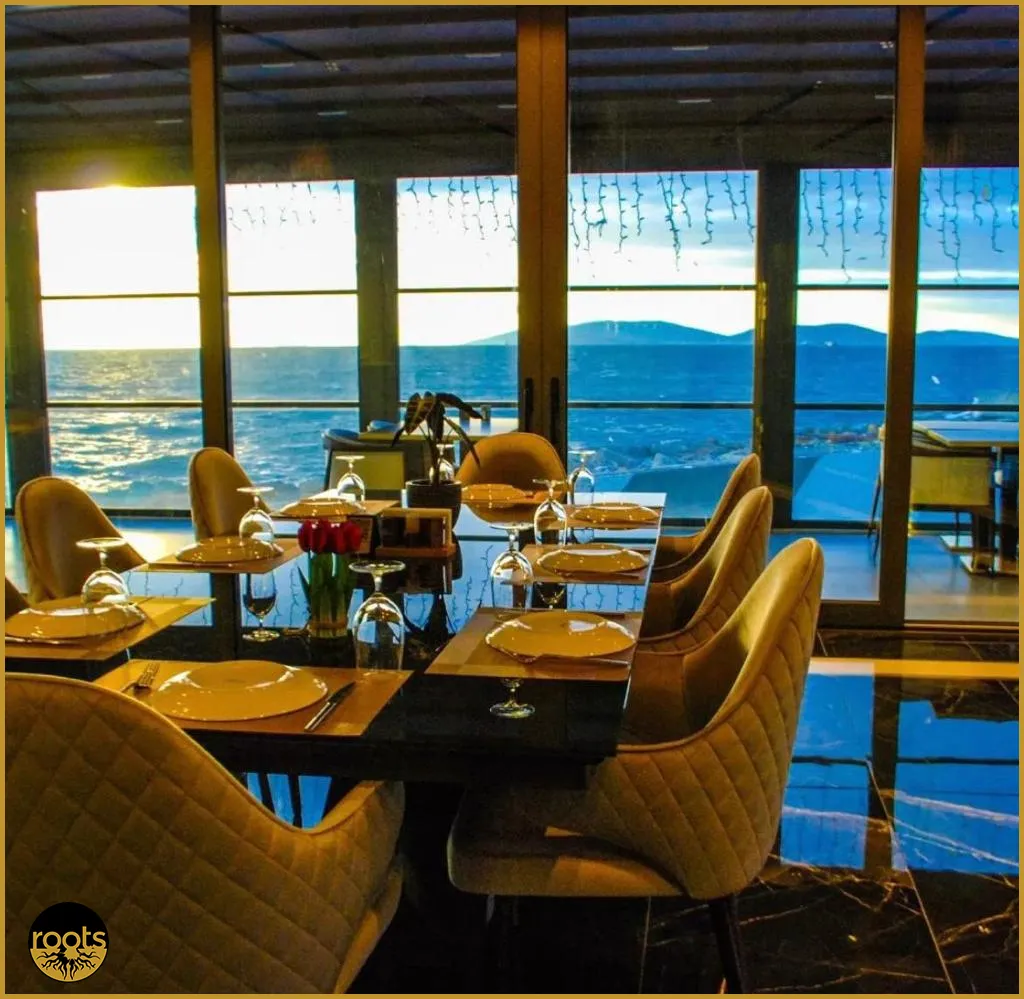
Architectural Touches for Your Restaurant: Interior Designs
In the success of your restaurant, alongside the delicious dishes you offer, the atmosphere of the space that hosts your guests also plays a critical role. Architectural restaurant design is more than just an aesthetic concern; it is a holistic approach that brings together functionality, brand identity and customer experience. A well-designed interior increases your customers' desire to visit the space again, enables you to receive positive feedback and contributes directly to the overall success of your business.
In this comprehensive guide, you will find answers to all the questions you may encounter when determining the most suitable interior designs for your restaurant, and information to support your decision-making process. We have compiled information across a wide range, from what the product is, to whom it is suitable for, and which needs it meets.
What Is Architectural Restaurant Design and Why Is It Important?
Architectural restaurant design is the process of planning and implementing the interior and exterior spaces of a restaurant in line with users' needs, comfort, safety and aesthetic expectations. In this process:
- Functionality of the Space: Elements such as customer flow, service areas, kitchen connection and seating arrangements are organized to ensure the most efficient use of the space.
- Aesthetics and Atmosphere: An unforgettable atmosphere is created with color palettes, lighting, furniture selection and decorative elements compatible with the restaurant's concept.
- Brand Identity: The design strengthens brand awareness by creating an identity suited to the restaurant's target audience and the type of cuisine it offers.
- Customer Experience: Comfortable seating areas, proper sound acoustics, good lighting and overall comfort make the time guests spend in the space more enjoyable.
- Operational Efficiency: Factors such as staff being able to move comfortably, smooth service processes and ease of cleaning increase operational efficiency.
Who Is Restaurant Interior Design Suitable For?
Architectural restaurant design appeals to a wide audience, from restaurant projects to be opened from scratch to business owners who want to renovate their existing space. In particular:
- Entrepreneurs Opening a New Restaurant: Those who want to take the first steps of their business correctly, create a strong brand identity and stand out in competition.
- Business Owners Who Want to Renovate Their Existing Restaurant: Those who want to update their outdated decoration, increase customer satisfaction or improve the functionality of the space.
- Restaurants with Different Concepts: Those who want to meet the unique needs of every type of concept, such as fine dining, bistro, cafe, fast food and themed restaurants.
- Investors: Those who enter restaurant projects as value investments and want to maximize both the aesthetic and commercial value of the space.
Which Needs Does It Meet?
A professional architectural restaurant design meets a range of fundamental needs:
- Optimization of the Space: Making use of unused areas, shortening service routes and achieving greater customer capacity.
- User-Friendly Areas: Creating comfortable and functional areas for both customers and staff.
- A Strong Visual Identity: Creating a memorable design that tells the restaurant's concept and story.
- Improvement of the Customer Experience: Increasing guest satisfaction with sound acoustics, lighting, comfortable furniture and overall ambiance.
- Legal Compliance and Safety: Meeting legal requirements such as fire exits, emergency planning and compliance with hygiene standards.
In Which Situations Should It Be Preferred?
In the following situations, benefiting from architectural restaurant design services will be a strategic decision for your business:
- The Initial Design Phase of the Space: When building a restaurant from scratch or completely transforming an existing space.
- Gaining a Competitive Advantage: When you want to differentiate yourself from your competitors and create a standout space.
- Expanding the Customer Base: When you want to appeal to a wider audience and attract new customer segments.
- Solving Operational Problems: To resolve existing problems such as disruptions in service flow and insufficient seating areas.
- Brand Renewal Process: When you want to refresh and modernize the image of your existing restaurant.
In What Ways Does It Differ from Its Alternatives?
Beyond standard renovation or decoration work, architectural restaurant design differs in the following ways:
- Holistic Approach: It focuses not only on aesthetics, but also on functionality, psychological effects and operational efficiency.
- Expertise and Experience: Architects have the knowledge and experience to bring out the potential of spaces in the best possible way.
- Brand Integration: The design is planned as an integral part of your brand identity.
- Long-Term Investment: A well-made design is an investment that increases the value of your business and provides benefits for many years.
- Custom Solutions: It offers fully customized solutions according to the needs of you and your target audience.
Things to Consider in Material Selection
| Material Type | Durability | Indoor/Outdoor Use | Cost (General Comparison) | Example Areas of Use |
|---|---|---|---|---|
| Natural Stone (Granite, Marble) | High | Both Indoor and Outdoor | High | Floors, Counters, Wall Claddings |
| Wood | Medium - High (if treated and protected) | Generally Indoor (outdoor with special treatments) | Medium - High | Tables, Chairs, Wall Panels, Bar Counter |
| Ceramic and Porcelain | High | Both Indoor and Outdoor | Low - Medium | Floors, Wall Claddings, Kitchen Areas |
| Metal (Stainless Steel, Cast Iron) | High | Both Indoor and Outdoor | Medium - High | Furniture Legs, Lighting Elements, Decorative Details |
| Concrete (Decorative / Industrial) | High | Both Indoor and Outdoor | Low - Medium | Floors, Counters, Walls, Lighting Objects |
| Glass (Tempered, Laminated) | Medium - High (depending on type of use) | Both Indoor and Outdoor | Medium | Glass partitions, Table tops, Lighting |
Things to Consider Before Purchasing
Paying attention to the following points before receiving architectural design services for your restaurant or making an investment in this direction will ensure that the process proceeds more soundly and successfully:
- Determine Your Budget: By clearly determining your total investment budget, consider the compliance of the design and implementation processes with this budget.
- Define Your Concept: Clarify the basic elements such as the main concept of your restaurant, its target audience and the type of cuisine it will offer. This will form the basis of the design.
- Review References: Examine in detail the previous projects, portfolios and customer feedback of the architect or design firm you are considering working with.
- Communication and Understanding: Evaluate how well the design team understands your vision and whether they can meet your expectations. Clear communication is critical for the success of the project.
- Contract Details: Make a detailed contract that includes all details such as the design process, delivery dates, payment terms, revision rights and possible additional costs.
- Legal Permits and Licenses: Also take into account the process of obtaining the legal permits and licenses required for the renovation or construction to be carried out.
- Space Analysis: Ensure that the design team analyzes your existing space in detail and identifies potential problems and opportunities.
Frequently Asked Questions
Question: Does architectural design cover only the interior decoration of my restaurant?
Answer: No, architectural restaurant design is not limited to the aesthetic appearance of the space. It covers many elements such as the general layout plan of the space, lighting, acoustic arrangement, furniture placement, and the functionality of kitchen and service areas. Exterior facade arrangement and signage design can also be included optionally.
Question: Is renovating an existing restaurant as costly as a project from scratch?
Answer: Renovating an existing restaurant depends on the scope of the project and the size of the changes to be made. Cosmetic renovations that do not require structural changes may be more cost-effective, while projects that change the fundamental layout of the space may be more costly. However, good design can accelerate the return on renovation costs.
Question: How should I determine which materials should be used during the design process?
Answer: Material selection should be made according to factors such as your restaurant's concept, target audience, budget, durability needs and ease of maintenance. For example, while natural stone and high-quality woods are preferred for a stylish fine dining restaurant, more durable and easy-to-clean surfaces may be a priority for a fast-service venue. An architect or interior designer will guide you when making these decisions.
Question: How much does lighting affect the restaurant atmosphere?
Answer: Lighting is one of the most important elements that profoundly affects a restaurant's atmosphere and customer experience. The right lighting enhances the warmth, comfort and aesthetics of the space. The balance between general lighting, task lighting (tables, service areas) and ambient lighting (decorative lights) is critical in creating the desired atmosphere.











































































