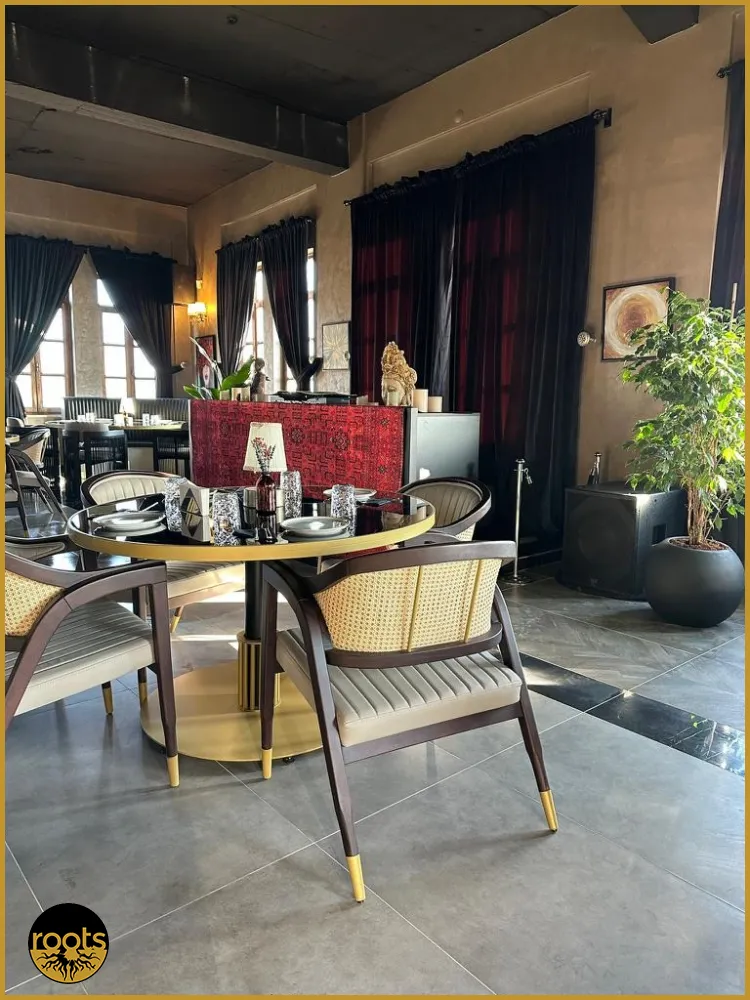
Architectural Restaurant Design: Unlock Your Space's Potential
The atmosphere, functionality and aesthetics of the space play a critical role in your restaurant's success. A restaurant's interior is more than just an area where food is eaten; it is part of a whole that customers experience. Architectural restaurant design is a discipline that shapes this experience, reflects your brand identity and increases operational efficiency. A well-designed restaurant both creates unforgettable moments for your guests and directly affects your business's profitability.
In this comprehensive guide, you will find information on many topics, from how to choose the right design for your restaurant to the details you need to pay attention to at every stage of this process. Our aim is to help you, our valued users researching our product, make informed decisions.
Why Is Professional Restaurant Design Important?
Restaurant design is not just painting walls or placing furniture. It is a strategic process that brings your concept to life, appeals to your target audience and guarantees your restaurant's long-term success. A professional architectural touch provides the following key benefits:
- Improves Customer Experience: Comfortable seating areas, smooth circulation and an aesthetic atmosphere encourage your guests to stay longer and return.
- Increases Operational Efficiency: Optimizing the connections between kitchen layout, service areas and customer flow ensures your staff work more efficiently.
- Strengthens Brand Identity: Design visually expresses your restaurant's concept, values and the flavors it offers.
- Provides a Competitive Advantage: A unique and attractive design sets you apart from your competitors and helps you stand out in the market.
- Maximizes Return on Investment: In the long term, good design accelerates the return on your investment by attracting more customers and reducing operational costs.
Key Elements in Restaurant Design
Successful restaurant design emerges from the careful planning of a series of interconnected elements:
- Space Selection and Analysis: Factors such as the restaurant's location, size, natural light and the potential customer base around it form the foundation of the design.
- Determining the Concept: Your restaurant's type (fine dining, bistro, cafe, fast food, etc.), the cuisine it will offer and its target audience determine the overall spirit of the design.
- Zoning and Flow Plan: Placing seating areas, bar, kitchen, service areas, restrooms and entrance-exit points in a logical order is important for both guests and staff.
- Material Selection: Floor, wall, ceiling and furniture materials are selected by considering factors such as durability, aesthetics, ease of maintenance and cost.
- Lighting Design: The balance of natural and artificial lighting greatly affects the atmosphere of the space. Functional lighting (tables, counters) and ambient lighting (general illumination) should be considered together.
- Color Palette and Textures: Colors affect emotions and strengthen brand identity. Textures add depth and warmth to the space.
- Furniture and Accessories: Comfortable, functional furniture compatible with the concept should be selected, and decorative accessories should add character to the space.
Which Needs Does It Meet?
Professional architectural restaurant design is not only a visual improvement but also meets a series of critical needs:
- Customer Comfort and Satisfaction: Comfortable seating arrangements, sufficient space and a pleasant atmosphere offer an ideal environment to host your guests.
- Optimization of Operational Processes: It ensures that staff movement is not restricted, service speed is increased and communication between the kitchen and service is facilitated.
- Maximum Use of the Space: Efficient use of every square meter means creating more seating space or opening up space for additional functions such as storage.
- Safety and Accessibility: Compliance with safety and accessibility standards such as fire exits, non-slip floors and areas suitable for disabled access is ensured.
- Hygiene and Ease of Maintenance: Choosing easy-to-clean materials and ensuring the design complies with hygienic standards facilitates the long-term maintenance of the business.
Who Is It Suitable For?
Architectural restaurant design is suitable for anyone who wants to offer an innovative gastronomy experience:
- Entrepreneurs Opening a New Restaurant: A design built on the right foundations from the start ensures that the brand enters the market with a solid identity.
- Operators Who Want to Rearrange Their Existing Restaurant: It is ideal for businesses that want to keep up with current trends, increase customer satisfaction or raise operational efficiency.
- Those Who Want to Try a Different Concept: A design innovation is essential for businesses that want to differentiate themselves from their competitors by creating a unique and memorable atmosphere.
- Those Creating Chain Restaurant Concepts: Standardized design principles are important for repeating a consistent brand identity and aesthetic understanding across different branches.
In Which Situations Should It Be Preferred?
The right times to invest in restaurant design are as follows:
- Opening a New Restaurant: The first impression of the business is critically important in creating a lasting brand image.
- Rebranding: When the existing concept needs to be updated or completely changed.
- Increase in Customer Complaints: When there is a decline in customer satisfaction due to lack of comfort, poor flow or aesthetic problems.
- Operational Difficulties: When staff efficiency is low, service time is prolonged or the venue contains functional problems.
- Change in the Competitive Environment: When it is necessary to stand out as new competitors enter the market or market trends change.
What Are Its Differences from Alternatives?
Unlike a standard interior architecture service or do-it-yourself (DIY) approaches, architectural restaurant design requires special expertise and experience.
- Standard Interior Architecture: It can be designed for general living spaces or offices, but it cannot deeply understand the unique operational needs of restaurants (kitchen, service flow, customer density).
- Do-It-Yourself Approach: Although it may seem to save costs, non-professional choices can lead to functionality problems, aesthetic inconsistencies and even safety risks in the long term. Lack of technical knowledge can cause errors in correct material selection, compliance with regulations and long-term costs.
- Architectural Restaurant Design: It is offered by experts who know the dynamics of the gastronomy sector, consumer behavior, food safety standards and operational efficiency requirements. While highlighting the brand identity, it also ensures that the business reaches its commercial goals.
Material Selection: Durability, Aesthetics and Cost
The selection of materials used in restaurants directly affects both the lifespan of the venue and maintenance costs. The following table compares the main features of some commonly used material types:
| Material Type | Durability | Indoor/Outdoor Use | Cost (Average) | Aesthetic Features |
|---|---|---|---|---|
| Natural Stone (Granite, Marble) | Very High | Indoor and Outdoor (With Suitable Treatments) | High | Luxurious, Natural, Timeless |
| Ceramic and Porcelain Tile | High | Indoor and Outdoor (Ideal for Wet Areas) | Medium | Wide Variety of Patterns, Colors and Textures |
| Wood (Natural or Composite) | Medium-High (Depends on Treatment) | Mainly Indoor (Outdoor with Special Treatment) | Medium-High | Warm, Natural, Inviting |
| Concrete (Polyurethane Coating etc.) | High | Indoor and Outdoor | Medium | Industrial, Modern, Minimalist |
| Metal (Stainless Steel, Iron) | High | Indoor and Outdoor | Medium-High | Industrial, Modern, Stylish |
| Glass (Tempered, Laminated) | Medium-High (Depends on Type) | Indoor and Outdoor (Safety Standards Important) | Medium-High | Lightness, Modernity, Spaciousness |
Points to Consider Before Purchasing
When making a decision about restaurant design services or products, paying attention to the following points will help you make the right choice:
- Portfolio and References: Review the previous restaurant projects of the designer or company you will work with. Have they done work that suits your concept and expectations?
- Communication and Understanding: The communication you establish with the designer is vital to the success of your project. Do they listen to you? Do they understand your concept?
- Budget Planning: Transparent budgeting should be done regarding the design process, material selection and application costs. Some flexibility should be left for unexpected expenses.
- Technical Knowledge and Regulations: Make sure the designers are knowledgeable about topics such as local zoning regulations, hygiene standards and accessibility (disabled ramps, etc.).
- Delivery and Application Process: When the design will be completed, who will be responsible during the application phase and the overall timeline of the project should be clarified.
- User Experience Focus: It is important to understand how the design will improve not only aesthetics but also the guest and staff experience.
Frequently Asked Questions (FAQ)
Start with the right architectural restaurant design to create your restaurant's unique atmosphere and offer your guests an unforgettable experience. The information in this guide will guide you in your decision-making process.











































































