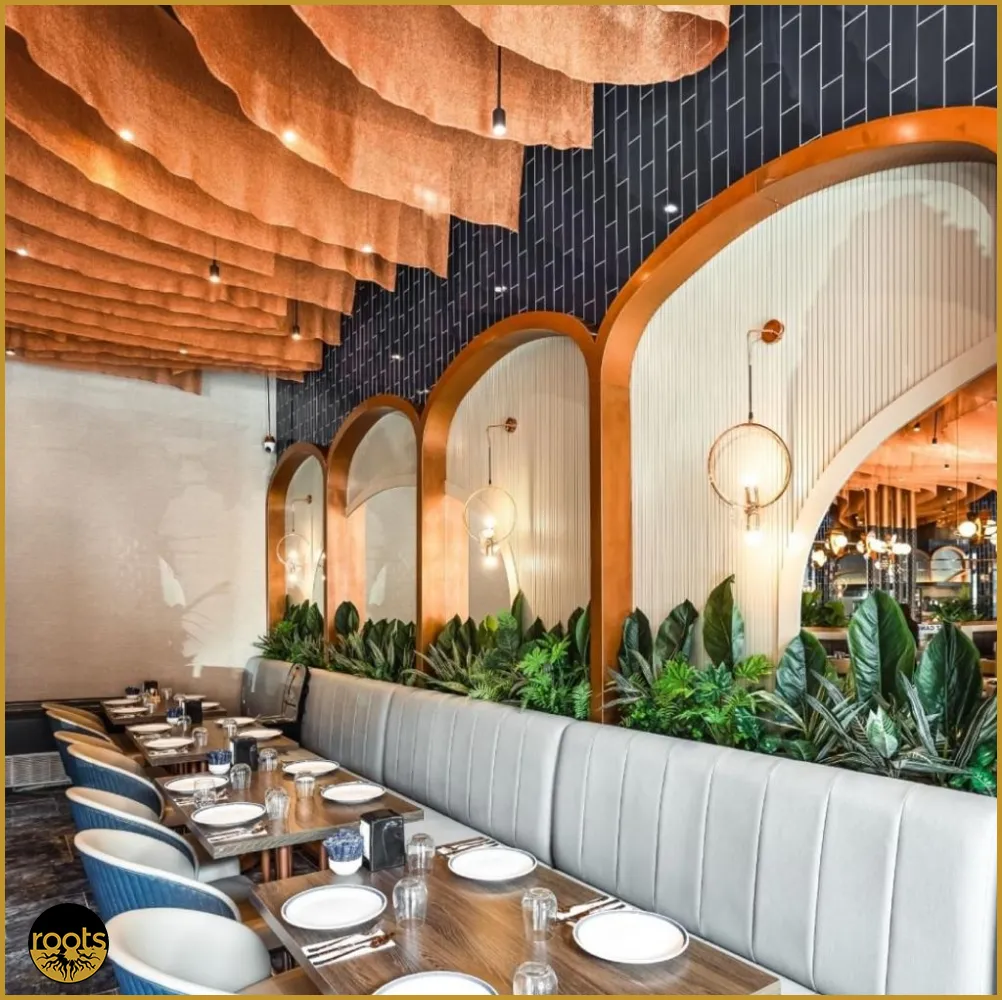
ARCHITECTURAL RESTAURANT DESIGN: Interior Solutions That Add Value to Your Space
Restaurant management requires not only serving delicious food but also providing your guests with an unforgettable experience. One of the cornerstones of this experience is undoubtedly the architectural and interior design of the space. This design process, which reflects the spirit of a restaurant, strengthens its concept and directly affects customer satisfaction, plays a critical role in the success of your business when done right.
What Is Restaurant Interior Design and Why Is It Important?
Restaurant interior design is the process of arranging a dining space in the best possible way aesthetically and functionally. This encompasses much more than just choosing wall colors or placing furniture. Lighting planning, seating arrangements, material selections, acoustic solutions and even the serving utensils on the table are part of this whole. Good design;
- Makes your customers comfortable and encourages them to spend more time in your space.
- Strengthens your restaurant's concept and identity.
- Offers operational convenience so that your staff can work more efficiently.
- Creates spaces worth sharing on social media with its visual appeal.
- Helps you stand out from your competitors.
In short, restaurant interior design is a strategic investment that directly affects both the identity and the profitability of your business.
Who Is It Suitable For?
Architectural restaurant design is suitable for anyone operating in the food and beverage sector or considering investing in this sector. These are:
- Entrepreneurs who want to bring a new restaurant, cafe, bar or bistro to life.
- Business owners who want to renew the concept of their existing space or improve the customer experience.
- Gastronomy chains that want to differentiate themselves and appeal more to their target audience.
- Owners of venues offering food and beverage services such as private events, concert venues or theme parks.
Regardless of the size of the space, its concept or the type of food and beverage offered, effective design will always make a difference.
Which Needs Does It Meet?
Comprehensive restaurant interior design offers solutions for many different needs:
- Customer Experience: Increases guest satisfaction with comfortable seating areas, good lighting, appropriate acoustics and smooth circulation areas.
- Brand Identity: Visually expresses the brand's vision and values in accordance with the concept of the space (for example, rustic, modern, industrial, minimal).
- Functionality: Meets operational needs such as the efficiency of kitchen and service areas, optimization of customer and staff movement, and adequacy of storage areas.
- Aesthetic Appeal: Strengthens the first impression by making the space inviting and eye-catching and creates a desire to visit again.
- Cost Management: The selection of durable and cost-effective materials reduces maintenance and renovation costs in the long term.
- Regulatory Compliance: Offers solutions compliant with legal requirements such as fire safety, disabled access and hygiene standards.
In Which Situations Should It Be Preferred?
Restaurant interior design should especially be preferred in the following situations:
- When Opening a New Business: Designing the space with the right concept from the very beginning guarantees success in the long term.
- When There Is a Need to Renew the Existing Space: You can expand your customer base by updating your spaces that have become worn out or outdated over time.
- When Changing the Concept: When switching to a different type of cuisine or when you want to change your target audience, redesigning the space is important.
- When Wanting to Increase Competitiveness: A unique design is essential to stand out and come to the fore among other businesses in the area.
- When Customer Complaints Increase: If you are receiving complaints such as discomfort, noise or impracticality, the design may need to be reviewed.
In What Ways Does It Differ from Its Alternatives?
In restaurant design, the concept of "alternative" generally refers to approaches such as not receiving a professional design service or doing random decoration. Professional architectural restaurant design differs from these approaches in the following ways:
- Holistic Approach: It considers not only aesthetic concerns but also all elements such as functionality, operational efficiency and long-term sustainability together.
- Expertise: It is carried out by professionals with in-depth knowledge of subjects such as the ergonomics of spaces, material science, lighting principles, acoustics and sectoral trends.
- Target Audience Focus: The design is shaped by taking into account not only the expectations and behaviors of the operator but also those of the target audience.
- Cost Effectiveness: Although it may seem like a professional investment at the outset, a well-planned design prevents expensive renovations, inefficient operational costs and missed opportunities that may arise in the future.
- Uniqueness and Branding: It creates a personalized, original space that integrates with your brand and offers an inimitable identity.
What Should Be Considered in Material Selection?
The selection of materials to be used in restaurants is of great importance in terms of both aesthetic appearance and durability. The usage areas, durability and costs of different materials are summarized in the table below:
| Material Type | Usage Area (Interior/Exterior) | Durability | Cost | Prominent Features |
|---|---|---|---|---|
| Natural Stone (Marble, Granite) | Interior (Floor, Countertop, Wall Cladding) / Exterior (Facade) | High | High | Luxurious, Prestigious, Easy to clean (attention to staining) |
| Wood (Solid, Veneer, Composite) | Interior (Floor, Wall, Furniture) / Exterior (Decorative Elements - specially treated) | Medium - High (with application and maintenance) | Medium - High | Warm, Natural, Aesthetic (may be sensitive to water and scratching) |
| Concrete (Decorative) | Interior (Floor, Wall, Countertop) / Exterior (Structural Elements) | Very High | Low - Medium | Industrial, Modern, Durable, Easy to maintain |
| Ceramic and Porcelain | Interior (Floor, Wall) / Exterior (Floor - non-slip models) | High | Low - Medium | Various patterns and colors, Resistant to water and stains, Easy to clean |
| Metal (Stainless Steel, Iron) | Interior (Furniture, Lighting, Decoration) / Exterior (Structural, Facade) | High | Medium - High | Modern, Industrial, Durable (special coatings may be required against corrosion) |
| Fabric and Upholstery | Interior (Furniture) | Medium (depending on use and cleaning) | Low - High (depending on quality) | Comfort, Variety of colors and textures (stain-resistant and durable options should be preferred) |
Frequently Asked Questions
- Needs Analysis and Concept Definition: Determining fundamental elements such as business goals, target audience and kitchen type.
- Working with a Professional Design Team: Engaging architects and interior designers.
- Preliminary Design and Concept Development: Initial sketches, floor plans and 3D visualizations of the space.
- Detailing and Technical Drawings: Determining all mechanical, electrical, lighting and material details.
- Implementation and Construction: Bringing the design to life, project management.
- Decoration and Final Touches: Furniture selection, accessories and final arrangements.
What Should Be Considered Before Purchasing?
If you are considering receiving a design service for your restaurant or selecting the materials to be used in your design, it is important to pay attention to the following points:
- Work with a Professional Team: Experienced architects and interior designers will guide you in the right direction by offering both aesthetic and functional solutions. Review their portfolios and check their references.
- Understand the Potential of Your Space: Consider the physical characteristics of your existing space (light exposure, columns, ceiling height, etc.) and any constraints it may have.
- Know Your Target Audience: The design should appeal to the expectations of your target customer group as much as to your vision.
- Durability and Ease of Maintenance: Especially in areas subject to intensive use (floors, table surfaces, bar counters), prefer materials that are easy to clean and long-lasting.
- Lighting Planning: Consider lighting scenarios for use at different times of the day and for different purposes (dining, conversation, working).
- Acoustic Solutions: Plan measures to control noise in the early stages of the design.
- Set the Budget Clearly: Create a comprehensive budget covering design, implementation, furniture and decoration costs.
- Do Not Ignore Legal Requirements: Ensure compliance with all regulations such as fire safety, disabled access and hygiene standards.
An effective restaurant interior design shapes not only your business's success today but also its future growth potential. The right design investment in your space will ensure that you earn a lasting place in your guests' memory and that your business stands out in the industry.











































































