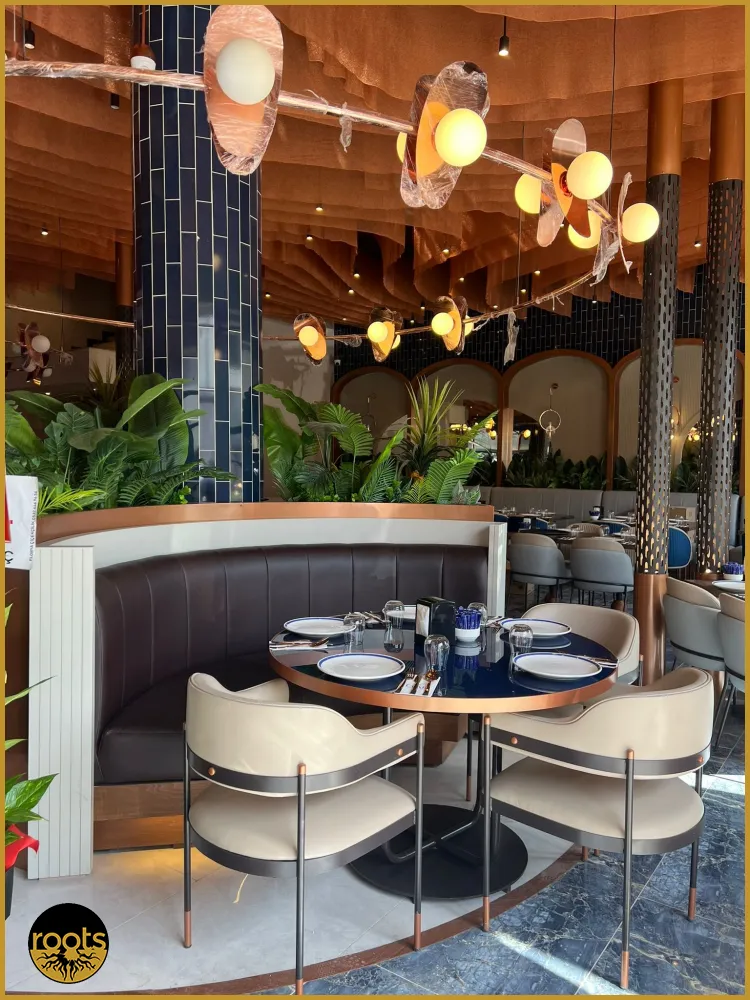
Architectural Restaurant Design: The Cornerstone of a Successful Business
The success of a restaurant is not limited to the flavors it offers. The atmosphere of the space, the customer experience and operational efficiency are at least as important as the quality of the food. At this point, architectural restaurant design and effective restaurant interior designs come into play.
What Is Restaurant Design and Why Is It Important?
Restaurant design is a holistic process that covers both the aesthetic appearance and the functional features of a dining venue. This process includes many details, from the concept of the space to customer flow, from kitchen operations to seating arrangement, from lighting to material selection.
Effective restaurant design provides the following:
- Reflecting Brand Identity: It makes the restaurant's story, vision and target audience felt in every corner of the space.
- Enhancing Customer Experience: By creating a comfortable and inviting environment, it enables guests to have a more enjoyable time.
- Operational Efficiency: Smart planning of kitchen and service areas allows staff to work faster and more effectively.
- Supporting Commercial Success: An aesthetic and functional design increases the rate of repeat customers and brings positive feedback.
Who Is It Suitable For?
Restaurant design appeals to a wide audience, from entrepreneurs planning to establish a new business to operators who want to renovate their existing space. Whether it is a luxury fine-dining restaurant, a cozy cafe or a bustling fast-food chain, specially designed solutions are available for every type of business.
Which Needs Does It Meet?
Architectural restaurant design responds to a series of fundamental needs:
- Spatial Planning: Using the area in the most efficient way and offering comfortable movement for both customers and staff.
- Creating Atmosphere: Creating the desired ambiance with lighting, color palette, furniture selection and decorative elements.
- Functionality: Layout of kitchen equipment, planning of service routes, observance of hygiene standards.
- Safety and Accessibility: Creating a safe and accessible area for all guests.
- Cost Control: Achieving long-term cost savings through the right material selection and planning.
When Should It Be Preferred?
The restaurant design process is generally preferred in the following situations:
- When Opening a New Restaurant: Planning the space correctly from the start prevents problems that may arise in the future.
- When Renovating an Existing Restaurant: For the purpose of a concept change, updating outdated decoration or increasing operational efficiency.
- When Customer Satisfaction Declines: In cases where the atmosphere or functionality of the space negatively affects the customer experience.
- When Seeking a Competitive Advantage: In search of a unique design to differentiate and stand out.
In What Ways Does It Differ from Its Alternatives?
Restaurant design is much more than just decorating. While it includes interior architectural solutions, furniture arrangements and material selections, architectural restaurant design integrates these elements with the building itself. It addresses a broader perspective such as structural arrangements, facade design, layered uses in the interior and even the relationship of the space with its surroundings.
Architectural restaurant design addresses all the details of the space as a whole, starting from the roots of the business. This provides not only aesthetic but also structural and functional integrity, producing more lasting and effective results.
Points to Consider in Material Selection
The materials used in restaurant interiors are of great importance both aesthetically and practically. Factors such as durability, ease of cleaning and suitability for the concept of the space should be taken into consideration.
| Material Type | Durability | Area of Use (Indoor/Outdoor) | Cost (Estimated) |
|---|---|---|---|
| Natural Stone (Granite, Marble) | High | Indoor (Floor, Countertop), Exterior Facade | Medium - High |
| Wood | Medium - High (Depending on Processing) | Indoor (Floor, Wall, Furniture), Outdoor (Specially Treated) | Medium |
| Ceramic / Porcelain | High | Indoor (Floor, Wall), Exterior Facade | Low - Medium |
| Metal (Stainless Steel, Iron) | High | Indoor (Furniture, Decoration), Exterior Facade | Medium |
| Concrete (Decorative) | High | Indoor (Floor, Wall), Exterior Facade | Low - Medium |
| Fabric / Leather (Upholstery) | Medium (Suitability for intensive use varies) | Indoor (Armchair, Chair) | Low - High |
What Should Be Considered Before Purchasing (Decision Making)?
When receiving a restaurant design service or taking part in the design process, it is important to pay attention to the following points:
- Designer's Portfolio: Review their previous projects to check whether they have a style that suits your vision.
- Communication and Understanding: How well the designer can communicate with you and how well they understand your ideas is important.
- Detailed Proposal: Learn in detail what the submitted proposal covers (concept development, project drawings, material recommendations, implementation follow-up, etc.).
- Budget Planning: Consider not only the design cost but also the construction, furniture and decoration costs that will arise during the implementation phase.
- Legal Permits and Standards: The design must comply with the relevant municipality and ministry of health regulations.
- Flexibility: Find out how open they are to revisions during the design process.
Frequently Asked Questions
The concept determines the restaurant's identity, target audience, type of cuisine it will offer and overall atmosphere. A well-defined concept ensures that all elements of the design (furniture, colors, lighting, decoration) are harmonious and creates a strong brand perception in the customer's mind.
Yes, the kitchen area is also a critical component in professional architectural restaurant design. Kitchen design aims to optimize elements such as operational efficiency, hygiene standards, equipment placement and staff flow. This directly affects both service quality and the working conditions of kitchen staff.
Lighting is one of the most powerful tools in setting a restaurant's atmosphere. The right lighting can emphasize the warmth, intimacy or elegance of a space, make food look more appealing and increase customer comfort. Different lighting scenarios (general lighting, task lighting, accent lighting) can be planned for different areas.
When planning the budget, not only the cost of the design service but also construction, renovation, furniture, lighting, decoration, kitchen equipment and, if any, permit costs should be taken into account. Discussing a clear budget with the designer at an early stage helps avoid surprise costs. It should not be forgotten that quality design can optimize operating costs in the long term.
The foundation of a successful restaurant lies in a space that leaves a mark not only on the palate, but also in the eyes and souls.











































































