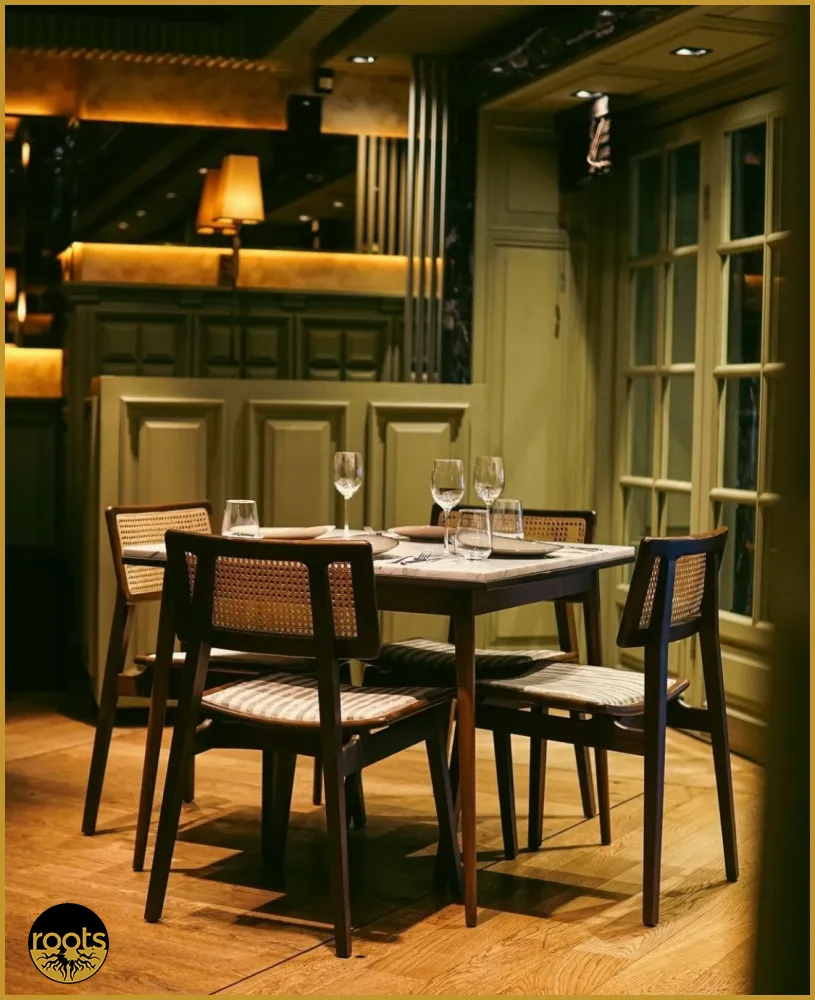
Architectural Restaurant Design: Create Spaces That Impress Your Customers
The success of a restaurant is not limited to the delicious food it serves. The atmosphere of the space, its design and the customer experience are at least as important as the food. Architectural restaurant design is the art of creating spaces that reflect the identity of a business, prioritize the comfort of guests and offer a memorable experience. This comprehensive guide will guide you through the process of choosing the right interior design for your restaurant.
Why Is Restaurant Design Important?
The interior design of your restaurant creates customers' first impressions and directly affects the overall brand perception. A well-designed space:
- Increases Customer Satisfaction: A comfortable and aesthetically pleasing environment encourages guests to stay longer and come back.
- Strengthens Brand Identity: Design visually conveys your restaurant's concept, style and values, creating a unique identity.
- Provides Operational Efficiency: A cleverly planned layout allows your staff to move more comfortably, speeds up the service flow and improves coordination between the kitchen and service areas.
- Makes a Difference in Competition: In today's competitive food and beverage sector, an eye-catching and original design makes it easier for you to stand out from your competitors.
Who Is It Suitable For?
Architectural restaurant design and custom interior solutions are ideal for the following groups:
- Entrepreneurs planning to launch a new restaurant, cafe, bar or bistro.
- Business owners who want to improve the atmosphere and functionality of their existing space.
- Restaurant chains that want to renew their brand identity and create a more modern, attractive image.
- Operators who want to reflect a specific concept (for example, rustic, modern, industrial, ethnic) in their space.
- All food and beverage industry professionals aiming to take the customer experience to the next level.
What Needs Does It Meet?
Effective restaurant design meets many fundamental needs:
- Aesthetic Requirements: Color, texture and material choices that are pleasing to the eye and suit the concept of the space.
- Functional Use: A planning that optimizes customer flow, seating arrangement, service routes and kitchen operations.
- Comfort and Ergonomics: Furniture selection and placement that will allow customers to sit comfortably and have a pleasant time.
- Customer Experience: Offering an unforgettable experience with ambiance creation, lighting, music and decoration elements.
- Acoustic Control: Reducing sound echo and sound insulation to provide a comfortable conversation environment.
- Business Efficiency: A layout where staff can work comfortably, serve quickly and which minimizes operational errors.
How Does It Differ From Its Alternatives?
Restaurant design is more than just an aesthetic concern; it is a strategic investment. Unlike standard interior arrangements, architectural restaurant design offers:
- Originality and Personality: It gives your space a unique identity that is specific to you and integrated with your brand.
- Professional Approach: A process is followed that balances both the aesthetic and functional needs of the space and analyzes the needs of users in depth.
- Long-Term Value: With quality material selection and correct planning, designs are created that will last for many years and will not go out of fashion.
- Customer Behavior Analysis: The design process is carried out taking customer psychology and behavior patterns into consideration.
Things to Consider in Material Selection
The selection of materials to be used in restaurant interiors is critical in terms of both aesthetic appearance and functionality. Factors such as durability, cleanability and cost should be taken into consideration.| Material Type | Durability | Indoor Use | Outdoor Use | Cost (Average) |
|---|---|---|---|---|
| Natural Stone (Marble, Granite, etc.) | Very High | Floor, countertop, wall cladding | Partially (with appropriate processing) | High |
| Wood (Solid, Veneer) | Medium - High (depending on processing) | Floor, wall cladding, furniture | Low (requires special treatments) | Medium - High |
| Metal (Stainless Steel, Iron) | Very High | Furniture frame, lighting, decorative elements | High (stainless types) | Medium |
| Concrete (Decorative) | High | Floor, wall cladding, countertop | High | Low - Medium |
| Ceramic and Porcelain | High | Floor, wall cladding | High (outdoor ceramics) | Low - Medium |
| Fabric and Leather (Upholstery) | Medium - High (depending on quality) | Sofa, chair upholstery | Not used | Medium - High |
Things to Consider Before Purchasing
Before starting a restaurant design project or selecting specific design elements, it is important to pay attention to the following points:
- The Venue's Concept and Target Audience: The type of cuisine your restaurant offers, the customer base you target and the atmosphere you want to create must be compatible with the design. A luxury fine-dining restaurant and a casual cafe should not use the same design language.
- Setting a Budget: Creating a realistic budget for the design process, material selection and implementation stages ensures the project progresses smoothly.
- Functionality and Flow: The design must be functional as well as aesthetic in terms of kitchen operations, service flow, customer movement and staff working areas.
- Lighting Planning: Correct lighting greatly affects the atmosphere of the venue. General lighting, task lighting and accent lighting should be used in a balanced way.
- Acoustic Arrangement: Acoustic solutions should be considered to provide an environment where speech can be heard comfortably and there are no disturbing echoes.
- Material Selection: Focus should be on not only appearance but also durability, ease of cleaning and maintenance requirements. Durable materials should be preferred in heavily used areas such as restaurants.
- Regulations and Licensing: It is important to design in accordance with the relevant regulations and licensing conditions in the location of your venue.
- Professional Support: Getting support from expert architects and interior designers helps you manage complex processes and make the right decisions.
Frequently Asked Questions (FAQ)
To maximize your restaurant's potential and offer your guests an unforgettable experience, we are by your side with our professional architectural restaurant design services. Contact us for functional and aesthetically flawless solutions that tell the story of your space.











































































