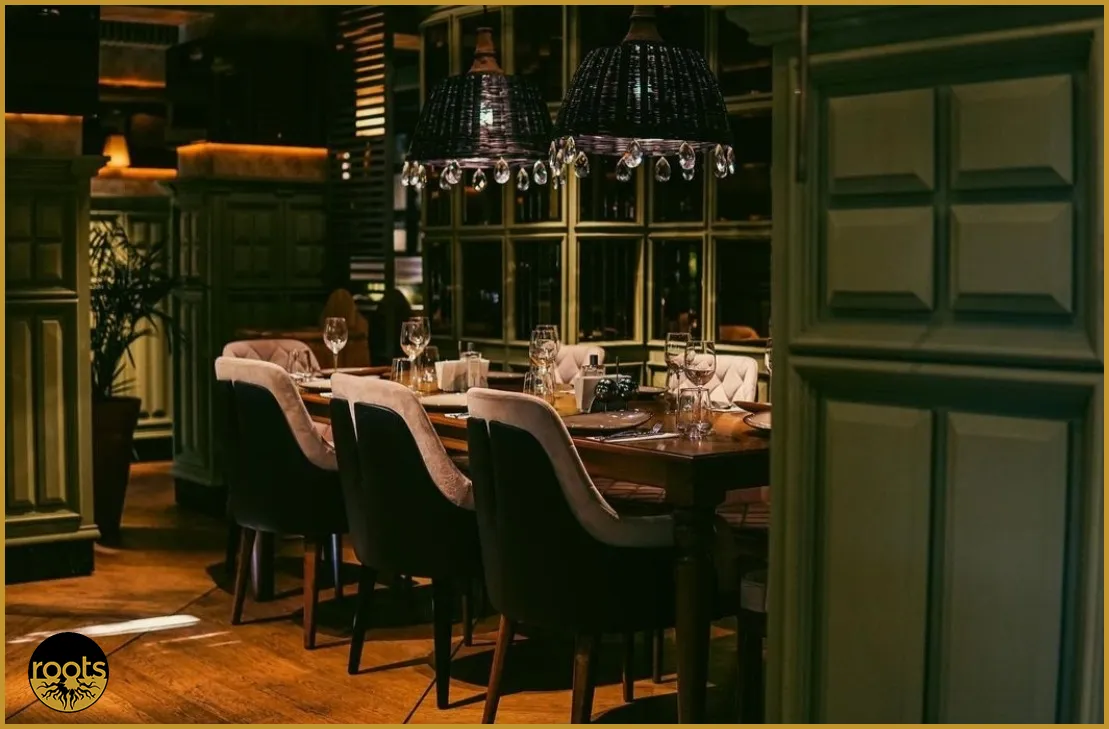
Architectural Restaurant Design: Interior Solutions That Add Value to Spaces
The success of your restaurant is directly related not only to the flavors you offer but also to the atmosphere of the space where you host your guests. A successful architectural restaurant design should be planned not only with aesthetic concerns but also to reflect functionality, customer experience and brand identity. Restaurant interior designs not only offer your visitors an unforgettable experience but also increase operational efficiency.
Why Is Professional Restaurant Design Important?
Every corner of your restaurant, from its entrance to its kitchen, from its seating areas to its restrooms, is a representative of your brand. A well-thought-out design;
- Strengthens the first impression and increases memorability.
- Raises customer satisfaction and return rates.
- Offers ergonomic solutions that enable staff to work more efficiently.
- Clarifies the ambiance and concept of the space.
- Helps you stand out in competition.
Key Elements to Consider in Restaurant Design
A comprehensive restaurant interior design process contains many critical elements. Chief among them:
1. Concept Definition and Brand Identity
Who is your restaurant's target audience? Which cuisine do you offer? Are you aiming for a modern, classic, rustic or ethnic concept? The answers to these questions form the foundation of the design. Your brand identity must be consistent in every detail, from the color palette to furniture selection, from lighting to music selection.
2. Functionality and Flow
Customer flow and staff flow are among the most important functional components of the design. Customers must be able to move around comfortably, waiters must be able to reach tables easily, and the connection between the kitchen and service areas must be uninterrupted. Ergonomics must be observed in every area, from table arrangement to the placement of service stations.
3. Seating Arrangement and Capacity Planning
Different seating arrangements (tables and chairs, bar stools, booths, open areas, etc.) should be planned according to the size of the space and the customer profile you are targeting. It is important to establish the right balance between offering a comfortable experience and reaching maximum capacity. Restaurant seating arrangement can make the space more inviting.
4. Lighting Design
The right lighting is one of the most powerful elements that determine the atmosphere of a space. General lighting, accent lighting and decorative lighting layers should be used together to create a warm, inviting and at the same time functional environment. Making maximum use of daylight is also important. Restaurant lighting also enhances the visual appeal of the food.
5. Material Selection
The materials to be used should be chosen carefully in terms of both their aesthetic appearance and their durability. Materials suitable for intensive use, easy to clean and hygienic should be preferred. Different restaurant materials greatly affect the texture and feel of the space.
| Material Type | Durability | Indoor Use | Outdoor Use | Cost (General Trend) |
|---|---|---|---|---|
| Natural Stone (Marble, Granite) | Very High | High (Countertop, Floor, Wall) | Suitable (Depends on surfaces) | High |
| Wood (Solid, Veneer) | Medium-High (Depends on type) | High (Furniture, Floor, Wall Cladding) | Low-Medium (Requires special treatments) | Medium-High |
| Metal (Stainless Steel, Iron) | Very High | High (Furniture, Lighting, Accessories) | High (Depends on coating) | Medium |
| Ceramic / Porcelain | High | Very High (Floor, Wall) | High (Outdoor ceramics) | Low-Medium |
| Concrete (Decorative) | High | High (Floor, Countertop, Wall) | Medium (Depends on coating) | Medium |
| Fabric / Leather (Upholstery) | Medium-High (Depends on type) | High | None | Medium-High |
6. Acoustic Arrangement
High noise levels in restaurants can negatively affect the guest experience. A pleasant acoustic environment can be provided by using sound-absorbing materials (fabric panels, acoustic ceilings, carpets) or by planning the space correctly.
7. Kitchen and Service Areas Design
Often overlooked but critical for operational efficiency, the kitchen and service areas are the heart of the restaurant. Kitchen layout, equipment placement, compliance with hygiene standards and storage areas are integral parts of a good restaurant design.
Who Is It Suitable For in Restaurant Design?
Architectural restaurant design and restaurant interior designs are ideal for the following situations:
- Entrepreneurs who will open a new restaurant.
- Operators who want to renew or modernize the concept of their existing restaurant.
- Restaurant owners who want to reflect their brand identity more strongly.
- Businesses aiming to increase customer experience and satisfaction.
- Restaurant managers who want to raise their operational efficiency.
- All kinds of food and beverage venues such as cafes, bars, bistros, fine-dining restaurants, fast-food chains.
Which Needs Does It Meet?
A professional restaurant design meets the following basic needs:
- It increases the aesthetic appeal of the space.
- It creates an atmosphere that appeals to the target audience.
- It offers a comfortable and enjoyable experience for customers.
- It increases efficiency by facilitating the workflow of the staff.
- It strengthens brand awareness and loyalty.
- It reveals the maximum potential of the space (seating capacity, service speed, etc.).
- It provides long-term savings with cost-effective solutions.
What Are Its Aspects That Differentiate It from Alternatives?
Unlike a restaurant design you would do on your own or proceed with ordinary solutions, the professional architectural approach;
- It starts with a comprehensive analysis process: Details such as target audience, concept and competitor analysis are examined.
- It focuses on spatial planning and ergonomics: It ensures that the space is not only visually appealing but also functional.
- It addresses subjects requiring technical knowledge and experience (lighting, acoustics, ventilation, structural integrity).
- It ensures that correct choices are made regarding material science and durability.
- It pays attention to regulatory compliance and safety standards.
- It plays a more effective role in budget management.
What Should Be Considered Before Purchasing (or Project Planning)?
Before receiving an architectural restaurant design service or starting your own project, it is important to pay attention to the following points:
- Experience and Portfolio of the Architecture Firm: Prefer firms that have previously done restaurant design and are experienced in the sector. Review their portfolios to evaluate their style and approach.
- Communication and Understanding: Make sure that the design team understands your vision and that you establish clear communication.
- Proposal and Contract: Sign a contract in which the scope of service, duration, payment plan and deliverables are clearly specified.
- Budget Planning: In addition to design costs, create a detailed budget covering all items such as construction, furniture, lighting and decoration.
- Legal Permits and Standards: The design must comply with the relevant municipality and ministry of health regulations.











































































