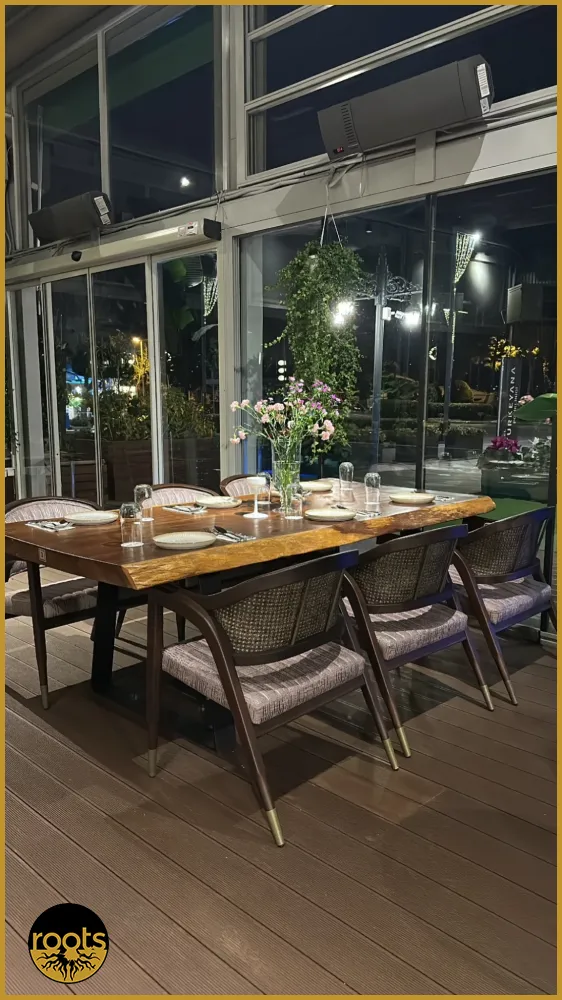
Architectural Restaurant Design: Reflect the Identity of Your Space
In the success of your restaurant, along with delicious food, the atmosphere and experience it offers are at least as important. Providing your guests with an unforgettable journey from the moment they first step into the space is the fundamental purpose of your space's architectural design. **Architectural restaurant design** is not just about an aesthetic appearance; it is also a holistic process that encompasses functionality, customer flow, brand identity and operational efficiency.
Why Should You Have a Professional Restaurant Design Done?
A well-designed restaurant not only offers your customers a pleasant experience, but also:
- Strengthens Your Brand Identity: Your design should tell the story of your restaurant and establish an emotional connection with your target audience.
- Increases Customer Satisfaction: Comfortable seating areas, correct lighting and a spacious atmosphere encourage your guests to stay longer and visit again.
- Ensures Operational Efficiency: A smooth connection between the kitchen and service areas allows your staff to work faster and more effectively.
- Stands Out in Competition: An original and impressive design is essential to stand out among ordinary venues and be memorable.
- Maximizes the Potential of the Space: By using every square meter in the most efficient way, more seating areas, a better service flow or more attractive displays can be created.
What Is Considered in Restaurant Design?
A successful architectural restaurant design is created by skillfully bringing together many details. The prominent elements in this process are as follows:
- Concept and Target Audience Analysis: The type of your restaurant (fine dining, bistro, cafe, fast food, etc.), the cuisine it offers and the customer profile you want to reach form the basis of the design.
- Spatial Planning and Flow: The logical and fluid arrangement of all areas, from the customer entrance to the tables, from the restrooms to the kitchen.
- Lighting Design: The balanced use of natural and artificial light sources, which play a critical role in creating ambiance.
- Material Selection: The selection of materials that provide durability, hygiene and ease of maintenance as well as an aesthetic appearance.
- Furniture Selection and Placement: The placement of furniture that is both comfortable and has an aesthetic suitable for the space, in a way that increases the efficiency of the area.
- Acoustic Arrangements: Creating a calm environment where guests can converse by preventing disturbing noise.
- Decoration and Accessories: Enriching the atmosphere with details and works of art that reflect the spirit of the space.
Main Material Types Used in Restaurant Design and Their Comparison
Material selection directly affects both the aesthetic stance and the long-term performance of your restaurant. Let us examine the popular material types for different needs along the axes of durability, area of use and cost:
| Material Type | Durability | Interior Architectural Use | Exterior Architectural Use | Cost |
|---|---|---|---|---|
| Natural Stone (Marble, Granite, etc.) | Very High | Floors, Countertops, Wall Claddings, Decorative Elements | Facade Claddings, Landscaping | High |
| Wood | Medium-High (Depends on Processing and Maintenance) | Floors, Wall Claddings, Ceilings, Furniture, Decorative Elements | Terraces, Under Pergolas, Facade Details (with proper processing) | Medium-High (Varies by Type) |
| Ceramic and Porcelain | High | Floors, Wall Claddings, Countertops | Floors (Non-Slip Type), Facade Claddings | Low-Medium |
| Concrete (Raw, Polished, etc.) | Very High | Floors, Wall Claddings, Countertops, Furniture | Floors (High-Traffic Areas), Facade Claddings | Low-Medium |
| Metal (Stainless Steel, Iron, etc.) | Very High | Furniture, Lighting Elements, Lighting Fixtures, Decorative Elements | Facade Details, Pergola Structures, Railings | Medium-High |
| Glass | Medium (Potential for Fragility) | Partition Walls, Table Tops, Decorative Objects, Lighting | Display Windows, Facade Claddings (with Safety Glass) | Medium |
Who Is It Suitable For?
Architectural restaurant design services are ideal for the following situations and people:
- Entrepreneurs Opening a New Restaurant: Anyone who wants their venue to stand out with a professional identity from the very first moment.
- Operators Wanting to Renovate Their Existing Restaurant: Those who want to modernize a worn or outdated venue, expand their customer base, or refresh their brand image.
- Those Wanting to Strengthen Their Brand Identity: Those who desire their restaurant to have a unique style and story.
- Operators Experiencing Operational Problems: Those who want to solve issues such as insufficient space usage, poor workflow, or lack of comfort.
- Those Targeting High Customer Satisfaction: Those who aim to offer their guests not only food but also an unforgettable experience.
Which Needs Does It Meet?
A professional architectural restaurant design offers solutions to many critical needs of your business:
- Need for Aesthetics: Impressing the target audience with a striking and venue-specific design.
- Need for Functionality: Increasing efficiency by optimizing customer and staff flow.
- Need for Branding: Creating a memorable identity that reflects the restaurant's concept and values.
- Need for Comfort and Experience: Creating an environment where guests feel comfortable and special.
- Need for Cost Optimization: Reducing operating costs by choosing long-lasting and easy-to-maintain materials.
How Does It Differ from Alternatives?
Unlike standard decoration solutions or amateur approaches, architectural restaurant design offers the following advantages:
- Holistic Approach: It addresses not only the appearance but also the spirit, operation, and brand identity of the venue together.
- Expertise and Experience: Architects are professionals who know the unique needs and potential challenges of restaurants.
- Originality and Creativity: It offers creative solutions specific to each venue, far from the ordinary.
- Technical Knowledge: It takes into account technical details such as structural requirements, material science, and lighting principles.
- Long-Term Investment: By offering aesthetics and functionality together, it increases the value and lifespan of the venue.
Frequently Asked Questions
The length of the design process varies depending on the size and complexity of the project and the condition of the existing space. Generally, a design process that includes concept development, detailed planning, project drawings and permit processes can take between a few weeks and a few months. The implementation period, on the other hand, varies depending on the physical condition and scope of the space.
Costs depend on many factors such as the types of materials to be selected, furniture quality, lighting solutions, the experience of the architectural team and the overall scale of the project. After a detailed survey and needs analysis, a customized costing will be presented to you.
Yes, the renewal and modernization of existing restaurants is also our area of expertise. By revealing the existing potential of the space, we can revitalize your business with a functional design that is in line with current trends.
Points to Consider Before Purchasing
If you are considering receiving an architectural restaurant design service, paying attention to the following points will make your decision-making process easier:
- Portfolio Review: Evaluate the designer's style and quality by reviewing their previous restaurant projects.
- Reference Check: If possible, contact businesses that have previously received the service and learn about their experiences.
- Communication and Clarity: When communicating with the design team, make sure you feel comfortable and that your ideas are understood.
- Detailed Contract: Make a clear contract that includes the scope of service, delivery dates, payment plan and possible revisions.
- Budget Planning: In addition to the design fee, also consider all additional costs such as implementation, furniture, lighting and decoration.
The architectural design of your restaurant is not only about creating a space, but also about creating a memory for your guests. The right design will be an important investment in the success of your business.











































































