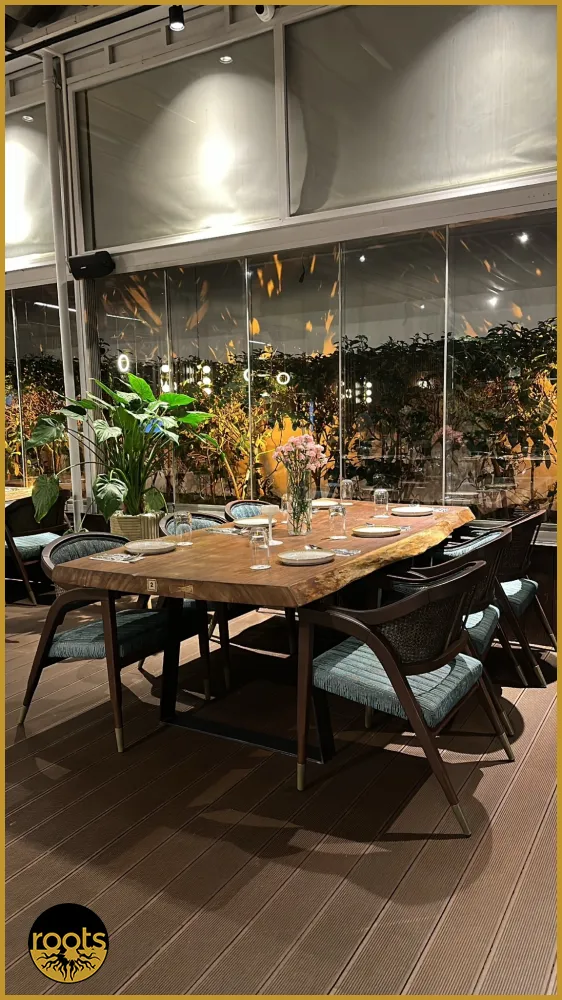
Architectural Restaurant Design: Discover Your Venue's Potential
The atmosphere of the venue plays as big a role in your restaurant's success as the flavors you offer. Architectural restaurant design not only provides an aesthetic appearance but also enriches the customer experience, increases operational efficiency and strengthens your brand identity. This comprehensive guide provides all the information to guide you through the process of choosing the right interior design for your restaurant.
An effective restaurant interior design aims to impress your guests from the very first moment. Creating an atmosphere suited to your concept, meeting the expectations of your target audience and investing in design to attract them back to the venue are of critical importance. Architectural design covers a wide range, from the overall layout of the venue to lighting details, from furniture selection to acoustic arrangements.
- Aesthetics and Atmosphere: A unique atmosphere that tells your brand's story, makes your guests comfortable and ensures they have an enjoyable time.
- Functionality and Ergonomics: A layout that optimizes customer flow, enables your staff to work comfortably and supports the efficient use of the venue.
- Strengthening Brand Identity: Design elements being in harmony with your brand's values and concept reinforces brand perception.
- Improving Customer Experience: Comfortable seating areas, appropriate lighting, good acoustics and aesthetic details increase your guests' satisfaction.
- Spatial Efficiency: It helps maximize your potential revenue by ensuring that small or large spaces are utilized in the best possible way.
Restaurant interior designs are ideal in the following situations and for the following groups:
- Entrepreneurs planning to open a new restaurant.
- Operators who want to improve the atmosphere and functionality of their existing restaurant.
- Restaurant owners who want to renew or strengthen their brand identity.
- Businesses with different concepts (for example, fine dining, bistro, cafe, fast food, themed restaurants).
- Any kind of food and beverage business that wants its venue to be more attractive and competitive.
Professional architectural restaurant design responds to many fundamental needs:
- Functional Organization of the Venue: The most efficient placement of dining areas, bar, kitchen, service points, restrooms and storage areas.
- Customer Comfort: Providing elements such as comfortable seating arrangements, sufficient personal space, appropriate temperature and ventilation.
- Visual and Sensory Experience: Creating an unforgettable atmosphere with color selection, use of materials, lighting plan and decorative elements.
- Acoustic Control: Offering a calm and pleasant environment by preventing loud noise from causing discomfort.
- Lighting Strategy: A lighting design that supports the functionality and aesthetics of the venue, from general lighting to accent lighting.
- Material and Furniture Selection: Making the right material and furniture choices that consider durability, aesthetics, ease of maintenance and budget.
Receiving a professional restaurant design service would be beneficial in the following situations:
- Establishing a New Business: To lay the right foundation when creating a restaurant from scratch.
- Restructuring an Existing Venue: In cases where the venue no longer meets needs or has become outdated.
- Concept Change: When planning to change the restaurant's concept, and the venue also needs to keep up with this change.
- Gaining a Competitive Advantage: To stand out from competitors and attract customers' attention.
- Optimizing the Usage Area: When wanting to increase capacity by making the best use of the venue's limited space.
Professional architectural restaurant design, unlike haphazard decoration or do-it-yourself arrangements, has the following features:
- Holistic Approach: It addresses not only the appearance but all elements such as the functionality of the space, material science, lighting, acoustics and user experience as a whole.
- Technical Expertise: Knowledge is gained in technical matters such as structural requirements, integration of electrical and mechanical installations, and material durability.
- Brand Focus: Design considers not only aesthetics but also the brand's values, target audience and marketing strategies.
- Cost Optimization: With the right investment made at the outset, it provides savings in maintenance, repair and operating costs in the long term.
- Legal Compliance: Compliance with the standards and regulations required for construction and operating permits is ensured.
Factors such as the durability, aesthetic appearance and cost of the materials used in restaurant interior design are of great importance. Below is a comparison of some commonly used material types:
| Material Type | Durability (Heavy Use) | Indoor Suitability | Outdoor Suitability | Estimated Cost | Notes |
|---|---|---|---|---|---|
| Natural Stone (Marble, Granite) | High | High | Medium (depending on treatment) | High | Prestigious appearance, stain resistance (granite), may require maintenance. |
| Wood (Solid, Veneer) | Medium-High (depending on treatment) | High | Low-Medium (depending on treatment) | Medium-High | Warm atmosphere, various colors and textures, care should be taken against scratches. |
| Ceramic and Porcelain Tiles | High | High | High | Low-Medium | Resistant to water, stains and wear, wide range of design options. |
| Concrete (Polished, Decorative) | High | High | Medium | Medium | Modern and industrial appearance, may be sensitive to scratches. |
| Metal (Stainless Steel, Iron) | High | High | Medium-High | Medium-High | For industrial, modern or classic appearances, may require maintenance. |
| Textile (Fabric, Leather) | Medium (depending on use) | High | Low | Medium-High | For comfort and aesthetics, stain resistance and durability properties are important. |
Paying attention to the following points when receiving restaurant design services or making design decisions will increase your satisfaction:
- Brand and Concept Harmony: It should be ensured that the design fully matches the overall brand identity and concept of your restaurant.
- Target Audience Analysis: It is important that the design appeals to the customer profile you are targeting and meets their expectations.
- Spatial Potential: Planning the most efficient use of the existing space by taking into account its physical characteristics (dimensions, columns, windows, etc.).
- Budget Determination: Establishing a clear budget for every stage of the design and implementation process and adhering to this budget.
- Professional Support: Working with experienced architects or designers makes the process smoother and enables you to achieve high-quality results.
- Functionality and Ergonomics: In addition to aesthetics, a layout that prioritizes customer and staff comfort and facilitates operational flow should be requested.
- Lighting Planning: Careful planning of lighting details that directly affect the atmosphere and functionality of the space.
- Material Selection: Materials that balance factors such as durability, ease of maintenance, cost and aesthetics should be preferred.
Frequently Asked Questions
This content has been prepared for informational purposes.











































































