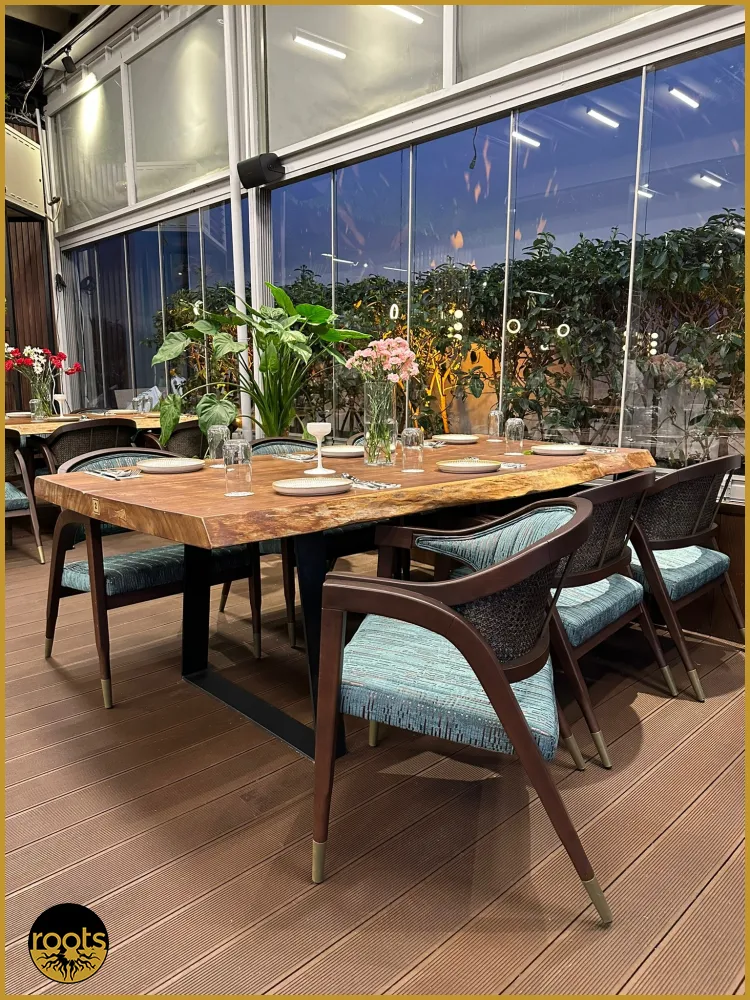
Architectural Restaurant Design: Take Your Venue to the Top
In restaurant management, alongside delicious food, the atmosphere and aesthetics offered by the venue are at least as important as the taste. A successful architectural restaurant design forms the foundation for creating an unforgettable experience for customers. A professional approach is required to transform your interiors from mere dining spaces into comfortable and inviting venues that reflect your brand's identity.
A restaurant's interior design does not only address aesthetic concerns, but also brings together many elements such as functionality, user experience, operational efficiency and brand identity. In this comprehensive guide, we will examine in detail the importance of restaurant interior designs, the factors affecting this process, material options and the points to consider during the decision-making stage.
What Is Restaurant Interior Design?
Restaurant interior design is a comprehensive planning and implementation process that covers both the aesthetic and functional aspects of a dining venue. This process aims to design the venue from scratch or improve the existing venue by taking into account the general atmosphere of the venue, the comfort of guests, the working efficiency of staff, brand identity and operational requirements.
This design approach covers every detail, from seating arrangements to lighting, from color palette to material selection, from furniture to decorative elements. The goal is to offer customers a pleasant, memorable experience that makes them want to visit again.
What Does Restaurant Interior Design Do?
Effective restaurant interior design provides numerous benefits to a business:
- Improves Customer Experience: A comfortable and aesthetic environment allows customers to stay longer in the venue and have a positive experience.
- Strengthens Brand Identity: The design reflects the restaurant's concept, values and target audience, increasing the brand's memorability.
- Provides Operational Efficiency: A well-planned kitchen and service area allows staff to work faster and more effectively, which raises overall service quality.
- Increases Sales: Inviting and functional venues have a positive effect on sales directly by attracting more customers and increasing customer satisfaction.
- Offers Competitive Advantage: A unique and eye-catching design allows you to stand out from competitors and come to the fore in the market.
- Maximizes the Potential of the Venue: Making the best use of the space can create more seating capacity or more efficient workspaces.
Who Is It Suitable For?
Architectural restaurant design and interior arrangements are suitable for a wide range of businesses:
- Entrepreneurs Opening a New Restaurant: Those who want to start from scratch and create a venue that reflects their brand's identity and concept.
- Those Who Want to Renovate Their Existing Restaurants: Business owners who want to update their outdated decoration, increase customer satisfaction or adopt a new concept.
- Cafe and Patisserie Operators: Small or medium-sized businesses that want to offer a warm and inviting atmosphere.
- Bar and Lounge Operators: Venues that want to create a specific ambiance and social interaction area.
- Fine Dining and Concept Restaurants: Venues where design is at the forefront, aiming to offer their guests a special and luxurious experience.
- Chain Restaurants: Large businesses that want to ensure brand consistency and offer the same quality of experience at every branch.
Which Needs Does It Meet?
Restaurant interior designs meet various needs of businesses and customers:
- Aesthetic Needs: Appeals to the eye by offering a visually attractive, modern and venue-specific design.
- Need for Comfort and Convenience: Provides a spacious and pleasant environment where customers can sit comfortably.
- Functionality and Usefulness: Creates an ideal flow and order for both guest movement and staff work.
- Brand Image and Identity: Creates a strong brand identity by reflecting the restaurant's story, values and target audience.
- Operational Needs: Ensures efficient planning of areas such as the kitchen, service area, storage and restrooms.
- Technological Integration: Makes it possible to integrate technologies such as lighting, sound systems and ventilation in harmony with the venue.
- Customer Engagement and Loyalty: Encourages customers to return by offering unforgettable experiences.
In Which Situations Should It Be Preferred?
A professional architectural restaurant design and interior arrangement should especially be preferred in the following situations:
- Opening a New Restaurant: While the first impression of the venue and the foundation of the brand identity are being laid.
- A Comprehensive Renovation or Rebuilding: When the functionality and aesthetics of the old venue are insufficient.
- Concept Change: When the type of cuisine offered by the restaurant or its target audience changes.
- Market Competition: When wanting to differentiate from competitors and attract more customers.
- Customer Complaints: When negative feedback is received regarding the comfort, layout or atmosphere of the venue.
- If the Venue's Efficiency Is Low: When problems are experienced in seating capacity, service flow or operational processes.
- Desire to Elevate Brand Perception: When the goal is to project a more prestigious and professional image.
Alternatives and Their Differences
There is no single "right" approach to restaurant interior design. Various alternatives can be found in line with different budgets, concepts and goals:
- Do It Yourself (DIY) Design: For those who want to arrange their venue with limited budgets or personal touches. However, this approach may fall short in terms of functionality and aesthetics due to the lack of a professional eye.
- Working with a Single Designer or Firm: For a comprehensive architectural project and implementation. This generally yields the most effective result, but the investment cost is higher.
- Modular or Ready-Made Solutions: Using certain furniture or decoration elements ready-made. Although it offers a quick solution, it may drift away from originality.
- Interior Decoration Specialists: Specialists who focus more on aesthetics and furniture arrangements and do not engage in architectural projects.
Professional architectural restaurant design differs from the above alternatives in the following respects:
- Comprehensive Planning: It includes not only aesthetics but also structural integrity, engineering, safety and legal regulations.
- Functionality Focus: It offers the most efficient arrangements according to the purpose of use of the venue.
- Brand Integrity: It reflects the brand's identity consistently across all design elements.
- Cost and Time Efficiency: It provides savings in the long term by preventing unnecessary renovations and operational disruptions.
- Technical Expertise: It has in-depth knowledge of subjects such as lighting, acoustics and materials science.
Material Options and Comparison
In restaurant interior design, material selection directly affects the appearance, durability and maintenance cost of the venue. Here is a comparison of some commonly used material types:
| Material Type | Durability | Interior/Exterior Architectural Use | Cost Axis (Average) | Aesthetics and Areas of Use |
|---|---|---|---|---|
| Natural Stone (Marble, Granite) | Very High | Interior and Exterior | High | Floors, countertops, wall claddings for a luxurious and elegant atmosphere. |
| Wood (Solid, Veneer) | Medium - High (Requires periodic maintenance) | Interior (Specially treated ones for exterior use) | Medium - High | Adds warmth and naturalness; floor, wall, furniture, ceiling applications. |
| Concrete (Decorative/Composite) | High | Interior and Exterior | Low - Medium | Floors, walls, countertops for an industrial, modern and minimalist aesthetic. |
| Metal (Stainless Steel, Iron, Brass) | High | Interior and Exterior | Medium - High | In modern, industrial and stylish designs; furniture legs, lighting, decorative elements. |
| Ceramic and Porcelain | High | Interior and Exterior | Low - Medium | A wide range of color, pattern and texture options for floor and wall claddings. Easy to clean. |
| Glass (Tempered, Frosted, Colored) | Medium (Tempered ones are more durable) | Interior and Exterior | Medium | For dividing the space, adding spaciousness, special designs; tables, partition panels, lighting. |
| Textile Products (Fabric, Leather) | Medium - Low (Varies by use and maintenance) | Interior | Medium | Seating groups, chairs, curtains, wall coverings. Provides comfort and a layer of color. |
What Should Be Considered Before Purchasing?
Important points to consider before a restaurant interior design project or receiving a service in this direction are as follows:
- Define Your Target Audience: Who does your venue appeal to? Families, young professionals, gourmets? The design should suit this audience.
- Determine a Concept: What is the main concept of your restaurant? Italian, Asian, Turkish cuisine? Modern, rustic, or traditional? The design should reflect this concept.
- Clarify Your Budget: Determine the total budget you can allocate for design, construction, furniture, lighting and decoration.
- Analyze Your Space: Examine in detail elements such as the physical characteristics of the existing area, its daylight exposure, and installations.
- Get Professional Support: Architects and interior architects help you make the best use of your venue's potential. Review their references and portfolios.
- Prioritize Functionality: The venue should not only be beautiful but also practical and efficient. Customer flow, ease of service and staff working areas should not be overlooked.
- Research Material Choices: Consider durability, ease of maintenance, cost and aesthetic elements in a balanced way.
- Lighting Planning: Proper lighting largely determines the atmosphere of the venue. Plan general lighting, task lighting and accent lighting well.
- Acoustic Design: High sound levels can negatively affect the customer experience. Ensure acoustic comfort by using sound insulation and absorbent materials.
- Ergonomics and Comfort: Elements such as the comfort of seating groups, table heights and seating arrangement are critical for customer satisfaction.
- Legal Regulations and Safety: Compliance with legal requirements such as fire regulations, emergency exits and disabled access is essential.
Frequently Asked Questions
What is the average cost for restaurant interior design?
Costs vary greatly depending on the size of the space, the quality of the selected materials, the complexity of the design and the architect's pricing policy. These costs, usually calculated per square meter, can fall within a very wide range depending on the scope of the project. It is recommended that you have a preliminary meeting to receive a detailed quote.
What should I pay attention to when renovating an existing restaurant?
It is important to analyze the existing structure and review issues such as the condition of the plumbing, load-bearing systems and legal permits. In addition, a concept change and modernization can be planned to meet the expectations of existing customers or to attract new customers. Increasing functionality and improving the aesthetic appearance should be the main goals.
What should be prioritized in the design of a small restaurant?
In small spaces, creating optimum space usage and a sense of spaciousness is essential. Light colors, well-planned lighting, multi-functional furniture and smart storage solutions should be preferred. Visual tricks (for example, mirrors) that help make the space look larger can be used.
What is the role of lighting in restaurant design?
Lighting is one of the most powerful tools that shape the atmosphere and ambience of a restaurant. The right lighting can make the space look more inviting, intimate or luxurious. The desired effect is created by using different types of lighting (general, task, accent). For example, dimmer and more romantic lighting can be preferred for dinner, while a brighter environment can be preferred for lunch.
What does "concept" mean in restaurant design and why is it important?
The concept is a holistic identity that covers all elements, from the type of food the restaurant offers to its target audience, from its service approach to its decoration and even staff uniforms. It is important because it determines the identity of the space, shapes customer expectations and ensures brand consistency. A good concept also helps with the restaurant's marketing.











































































