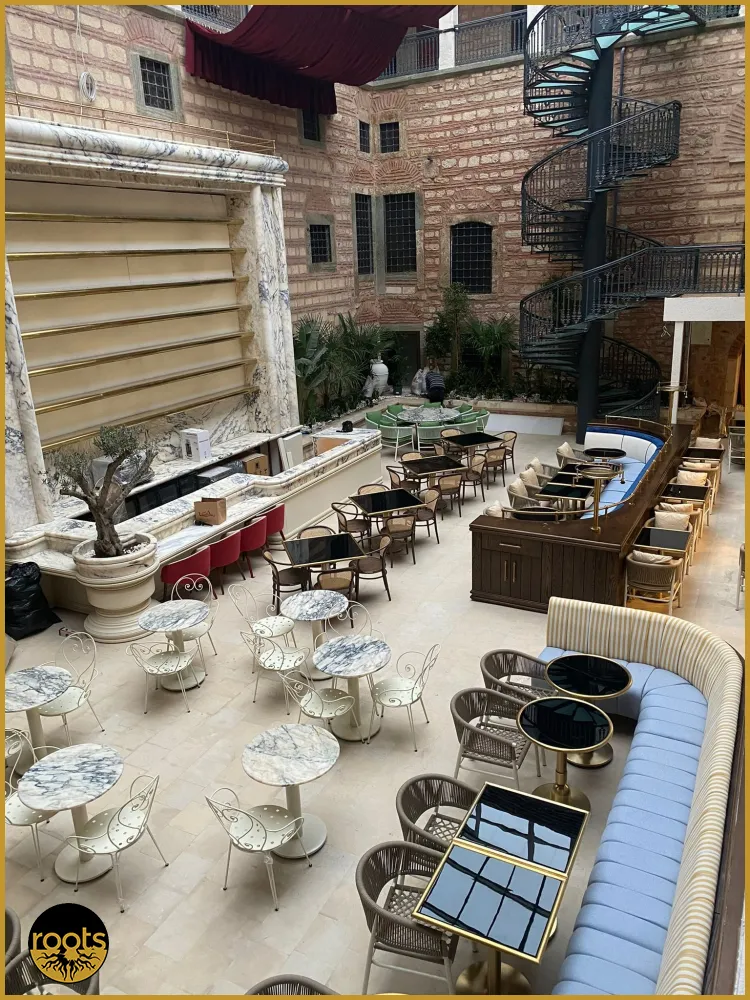
Architectural Restaurant Design: Turn Your Space into an Experience
In your restaurant's success, as much as kitchen quality, the atmosphere it offers and the experience it creates for your guests also play a large part. Architectural restaurant design is a critical process that forms the foundation of this experience, optimizing the space both functionally and aesthetically. A unique design that reflects a restaurant's identity, target audience and the gastronomic experience it will offer increases brand awareness and builds customer loyalty.
What Does Restaurant Design Do?
Effective restaurant design does not only offer a visually pleasing appearance; it also increases your business's operational efficiency. A well-designed restaurant:
- Improves the Customer Experience: With comfortable seating areas, spacious walkways, correct lighting and acoustic arrangements, you host your guests in a comfortable environment.
- Strengthens Brand Identity: Design visually expresses your restaurant's concept, story and the flavors it offers. Different styles such as modern, rustic, minimalist and industrial determine your brand's stance.
- Increases Operational Efficiency: Optimizing kitchen layout, the flow of service areas, staff movement and customer traffic directly affects service speed and quality.
- Attracts Potential Customers: The exterior appearance, the invitingness of the entrance area and the overall atmosphere give potential customers their first impression and aim to draw them into the venue.
- Maximizes the Potential of the Space: It is possible to utilize unused areas, increase capacity and create areas suitable for different usage scenarios.
Who Is Restaurant Design Suitable For?
Architectural restaurant design is ideal for all businesses in the following situations:
- Entrepreneurs planning to open a new restaurant.
- Business owners who want to increase the atmosphere, functionality or competitiveness of their existing restaurant.
- Restaurants that want to redefine or strengthen their brand identity.
- Venues aiming to offer their target audience a more attractive and comfortable experience.
- Businesses that want to increase operational efficiency and raise customer satisfaction.
Which Needs Does It Meet?
Restaurant design meets the multifaceted needs of a business:
- Spatial Needs: Planning of all functional areas such as seating arrangements, kitchen, storage, restrooms and staff areas.
- Aesthetic Needs: The atmosphere created through the space's overall visual language, color palette, material selection, lighting and decorative elements.
- Psychological Needs: Sensory stimuli (light, sound, scent, texture) that make guests feel comfortable, safe and pleased.
- Functional Needs: Arrangements that allow staff to work comfortably, ensure service flow proceeds smoothly and manage customer traffic.
- Marketing and Branding Needs: Design elements that emphasize the restaurant's standout features, appeal to the target audience and create a memorable identity.
In Which Situations Should It Be Preferred?
Investing in restaurant design becomes especially important in the following situations:
- Increasing the Capacity of the Space: When you want to host more customers from the existing area or offer different seating options.
- Creating a New Concept: When you want to stand out in the market with a different cuisine type or theme.
- Gaining a Competitive Advantage: When you want to set yourself apart from competitors and offer your guests a unique experience.
- Solving the Problems of the Existing Space: When you want to resolve operational or aesthetic issues such as narrow areas, poor lighting or insufficient sound insulation.
- Updating the Brand Image: When you want to renew an appearance that has become outdated over time or does not appeal to the target audience.
In Which Ways Does It Differ from Its Alternatives?
Restaurant design is different from mere decoration or style consulting. An architectural restaurant design process differs with the following features:
- Comprehensive Planning: It addresses not only aesthetics but also all technical and practical details such as functionality, safety, accessibility and operational flow.
- Spatial Analysis: It produces optimum solutions by analyzing the physical characteristics of the area, light factors, acoustic requirements and user traffic in depth.
- Holistic Approach: It ensures that the entire space, from the kitchen to the service area, from seating arrangements to restrooms, is designed as a harmonious and integrated whole.
- Technical Knowledge and Experience: It requires expertise in subjects such as construction, material knowledge, regulations and ergonomics.
- Long-Term Investment: Rather than merely following a momentary trend, it offers durable and sustainable solutions that serve the business's long-term goals.
Material Selection: Durability, Aesthetics and Cost
In restaurant design, material selection is critically important for both the aesthetics and the durability of the space. A comparative summary of different material types:
| Material Type | Durability | Interior/Exterior Architectural Use | Cost (Relative) | Overall Assessment |
|---|---|---|---|---|
| Natural Stone (Marble, Granite) | Very High | Interior and Exterior (Depending on Application) | High | Offers a luxurious and prestigious appearance, difficult to maintain. |
| Ceramic/Porcelain Tile | High | Interior and Exterior | Medium | Available in various patterns and textures, easy to clean. |
| Wood | Medium (Requires Protection) | Interior (Exterior Applications Require Special Treatment) | Medium-High | Creates a warm and natural atmosphere, sensitive to moisture and wear. |
| Concrete (Decorative) | High | Interior and Exterior | Medium | Offers an industrial or modern aesthetic, can be applied with different textures. |
| Metal (Stainless Steel, Iron) | Very High | Interior and Exterior | Medium-High | Can be used in modern, industrial or classic styles, durable. |
| Mirror and Glass | Medium (Fragility) | Interior | Medium | Makes the space appear more spacious and bright, used for decorative purposes. |
What Should Be Considered Before Purchasing?
The main points to consider before receiving an architectural restaurant design service or when starting the design process are as follows:
- Budget Determination: A clear budget covering all items such as design, materials, application and furniture should be created.
- Target Audience Analysis: Who your restaurant will appeal to, their expectations and preferences should be taken into consideration.
- Concept Clarity: The overall concept of the space, the type of food and beverage to be offered and the brand identity should be clearly determined.
- Physical Condition of the Space: Structural features of the existing space such as dimensions, load-bearing systems, electrical/water installations should be examined in detail.
- Functionality and Flow: A planning that supports operational efficiency and ensures smooth customer and staff movement should be made.
- Lighting and Acoustics: Lighting scenarios and sound insulation solutions that directly affect the atmosphere of the space should be planned in advance.
- Legal Requirements: Compliance with legal obligations such as fire regulations, disabled access and hygiene standards should be ensured.
- Professional Support: It is important to work with an architectural team that is expert in its field, has strong references and can communicate well.
Frequently Asked Questions (FAQ)
How long does restaurant interior design take?
The design period varies depending on the size of the space, the complexity of the project and the approval processes. On average, a restaurant interior design can take between 4 and 12 weeks. This period covers stages such as concept development, architectural drawings, detail projects and material selection.
Which colors should be preferred in restaurant design?
Color selection depends entirely on the restaurant's concept and target audience. In general:
- Warm colors (red, orange, yellow): Appetizing and create an energetic atmosphere, generally preferred in fast-service venues.
- Cool colors (blue, green): Offer a calming and peaceful environment, suitable for more relaxed and longer seating.
- Neutral colors (beige, gray, white): Can adapt to any concept, offer a modern and minimalist look, help other colors stand out.
Considering the psychological effects of colors, a palette that best reflects the brand's identity should be created.
What should be considered in kitchen layout?
Kitchen layout is the heart of the restaurant and is vital for operational efficiency. Things to consider:
- Workflow: A logical flow should be provided from food receiving to preparation, cooking, service and dishwashing areas.
- Equipment placement: Placement of the equipment used in an ergonomic and safe manner.
- Ventilation and lighting: Effective ventilation systems and adequate lighting should be provided.
- Hygiene: Easily cleanable surfaces and materials compliant with hygiene standards should be used.
- Space efficiency: Efficient use of every square centimeter, including storage areas.
Important Notes:
- Every restaurant design is unique and should be shaped according to the needs and vision of your business rather than general rules.
- Getting professional architectural support minimizes possible mistakes and offers more profitable solutions in the long term.
- Creating a space that will make your customers comfortable and give them an unforgettable experience is one of the cornerstones of successful restaurant management.











































































