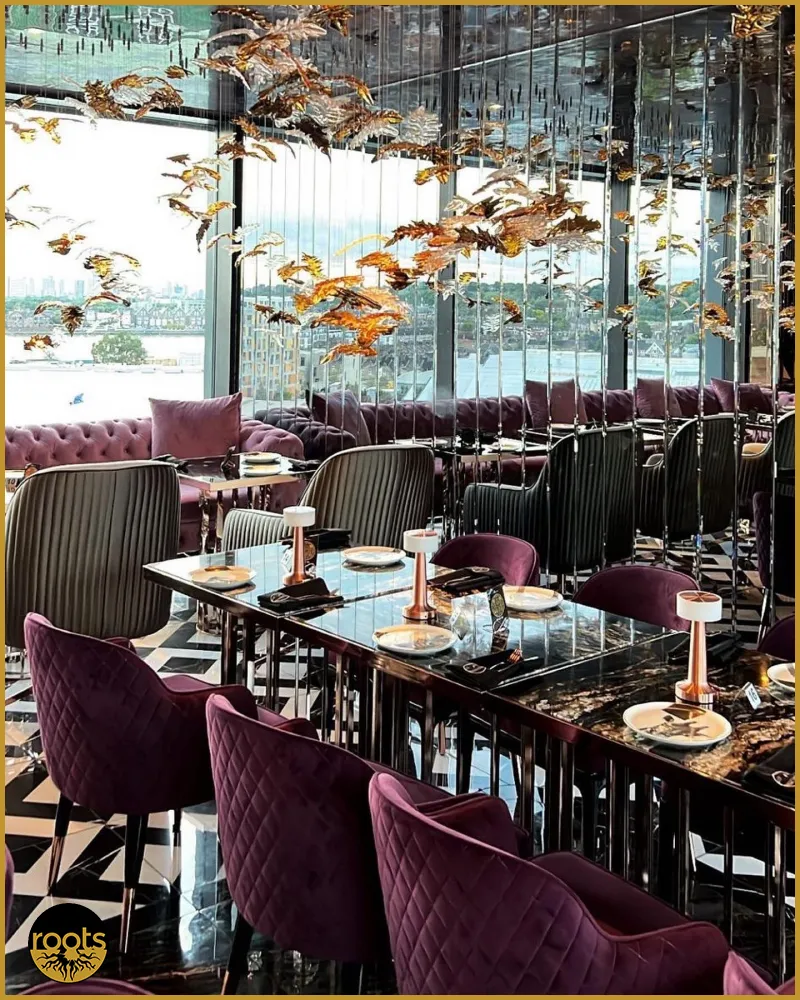
Architectural Restaurant Furniture and Business Identity
The success of a restaurant depends not only on the quality of the dishes served, but also on the comfort of the time the customer spends in that space and the visual language of the venue. Architectural restaurant furniture, unlike standard home furniture, are professional solutions designed in accordance with heavy usage traffic, ergonomic requirements and the general acoustics of the space. These furniture pieces are the strongest visual elements reflecting the character of a business.
What Needs Does It Meet and Who Is It Suitable For?
Architecturally focused furniture choices are particularly suitable for cafe, restaurant, hotel and bistro operators planning long-term investment. These products meet the following basic needs:
- Space Optimization: While providing maximum seating capacity in limited areas, it does not restrict movement space.
- Durability: It prevents the chairs and tables used hundreds of times a day from deforming.
- Brand Image: It directly conveys the luxury, casual, modern or classic identity of the business to the customer.
- Acoustics and Comfort: The right choice of upholstery and material reduces sound reverberation within the space, offering a more peaceful environment.
Restaurant Garden Furniture: The Challenges of Outdoor Spaces
Outdoor furniture, unlike indoor products, is exposed to harsh natural conditions such as UV rays, humidity, temperature changes and precipitation. When choosing restaurant garden furniture, the resistance of the material against these environmental factors is as important as aesthetics. The architectural approach aims not only to place tables and chairs outdoors, but to establish an arrangement suitable for seasonal transitions that is easy to clean and store.
In What Ways Does It Differ From Its Alternatives?
Professional architectural furniture differs from standard products sold in building markets in the following points:
- Static Calculations: Commercial furniture is tested to have a certain weight-bearing capacity and tipping resistance.
- Spare Parts and Repair: In corporate solutions, it is possible to supply the same fabric or part even years later.
- Stackability: Especially in garden furniture, the ability of products to nest into each other when the venue is closed provides operational convenience.
Material Selection and Comparison Table
The choice of material to be used directly affects both cost and maintenance periods. The following table compares the most preferred material types according to different criteria:
| Material Type | Durability | Area of Use | Maintenance Need | Cost Axis |
|---|---|---|---|---|
| Solid Wood (Iroko/Teak) | High | Indoor and Outdoor | Annual Oiling | High |
| Aluminum Frame | Very High | Outdoor | Low | Medium - High |
| Industrial Metal | High | Indoor | Medium | Medium |
| Polypropylene (Plastic) | Medium | Outdoor | Very Low | Economical |
Critical Points to Consider Before Purchasing
Reviewing the following checklist before deciding on the right furniture minimizes the risk of a faulty investment:
- Ergonomics Analysis: Is the distance between the seat height of the chairs and the clearance under the table (usually 25-30 cm) in accordance with standards?
- Fabric Technology: Stain-resistant fabrics should be preferred indoors, while water-repellent and fade-resistant fabrics should be preferred outdoors.
- Floor Compatibility: Are the glides on the feet of the furniture made of a material that will not damage the floor of the venue (parquet, marble, concrete)?
- Weight Balance: Garden furniture should be heavy enough not to blow away in the wind, yet light enough to be carried by staff.
Frequently Asked Questions
Question 1: Why should residential furniture not be used in restaurants?
Answer: While residential furniture is designed for use 1-2 times a day, restaurant furniture is used dozens of times a day by different people. The connection points and surface resistance of commercial furniture are reinforced for this intensity.
Question 2: What is the difference between Iroko and Teak wood?
Answer: Both woods are extremely durable for outdoor use. Teak has a higher oil content, so it is longer-lasting, but its cost is higher. Iroko, on the other hand, is known as "African Teak" and offers similar performance at a more affordable price.
Question 3: How is rusting prevented in metal furniture?
Answer: For metal furniture to be used outdoors, "electrostatic powder coating" or "cathodic electrodeposition coating" must be preferred. Aluminum material, since it does not rust by nature, is the most ideal solution for seaside businesses.
In conclusion, the choice of architectural restaurant and garden furniture has a direct impact on a business's operational efficiency and customer satisfaction. Furniture selected with an architectural perspective extends not only the aesthetics of the space but also its commercial lifespan.











































































