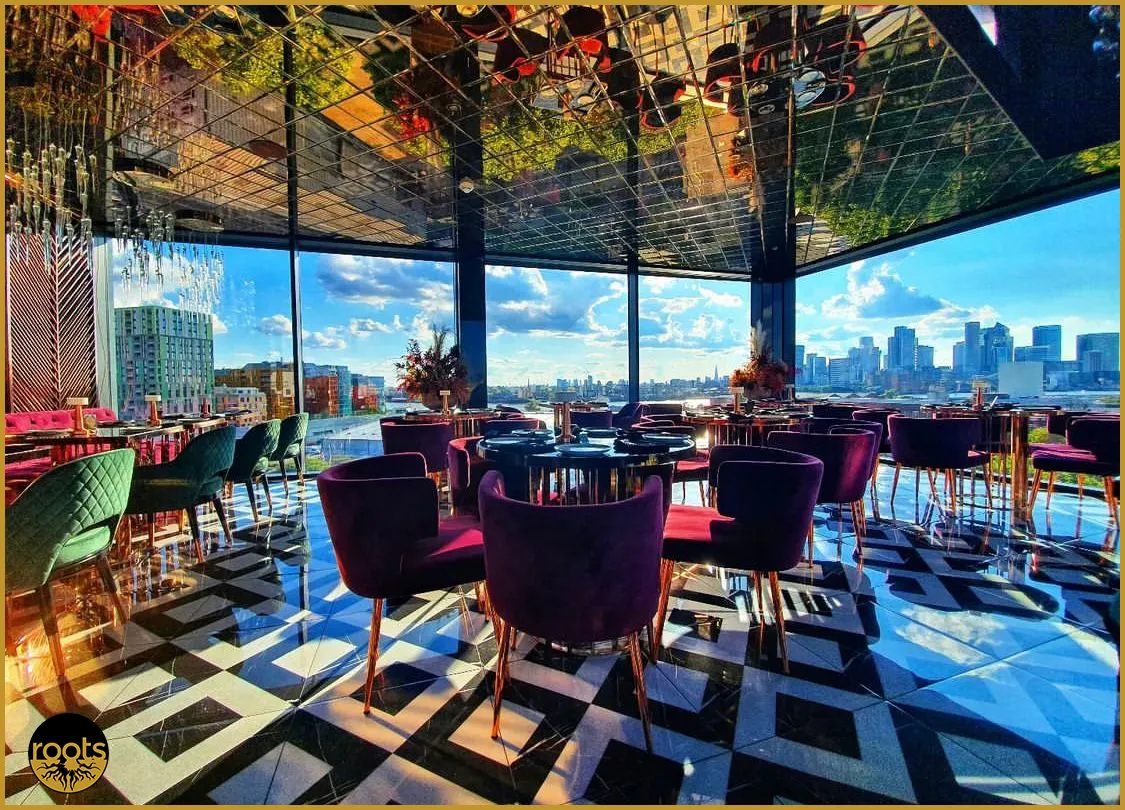
What Is Architectural Restaurant Furniture and Restaurant Garden Furniture?
They are types of furniture used in both the indoor and outdoor spaces of restaurants, designed with aesthetic appearance, functionality and durability prioritized. Architectural restaurant furniture aims to enhance guest comfort and experience in harmony with the overall design concept of the venue. Restaurant garden furniture, on the other hand, offers stylish and practical solutions that are resistant to the changing conditions of outdoor areas.
What Do These Furniture Items Do and Which Needs Do They Meet?
These furniture items mainly meet the following needs:
- Functional Use of Spaces: They enable the effective organization of different sections such as dining areas, waiting areas and service points.
- Guest Comfort and Experience: With their ergonomic designs, they improve the overall experience by enabling guests to spend time comfortably.
- Aesthetics and Brand Identity: Choosing furniture that suits the style of the venue strengthens the restaurant's brand identity and creates a memorable atmosphere.
- Expansion of the Space: With garden furniture, the usable area is expanded, offering the opportunity to serve more guests.
- Durability and Longevity: They are produced from materials suitable for commercial use and resistant to intensive use and environmental effects.
Who Is It Suitable For?
Architectural restaurant furniture and garden furniture are suitable for food and beverage businesses of every scale and concept:
- Fine-dining restaurants: Stylish and sophisticated designs.
- Cafes and Bistros: Models that create a comfortable and friendly atmosphere.
- Restaurants and gardens of large hotels: Durable and aesthetic solutions suitable for large areas.
- Open-air concept venues: Products specially designed for countryside gardens, terrace restaurants and poolside venues.
- Fast-food chains: Models offering fast and practical use that are easy to clean.
- Dining halls and event venues: Modular solutions suitable for intensive use.
In Which Situations Should It Be Preferred?
The choice of restaurant furniture is shaped according to the basic requirements of the venue and the business goals. These types of furniture particularly come to the fore in the following situations:
- Venue Renovation or Opening: When you want to create a brand-new atmosphere or modernize an existing venue.
- Seasonal Outdoor Use: To optimize outdoor use during the summer months or periods when weather conditions permit.
- Strengthening Brand Image: When you want to make a difference with custom-designed furniture that reflects the restaurant's identity and the experience it offers.
- Maximum Capacity and Comfort Balance: When the goal is both to increase customer comfort and to ensure efficient use of the venue.
- Adaptation to Environmental Conditions: For areas requiring resistance to external factors such as sun, rain and wind.
In What Ways Does It Differ from Alternatives?
Although there are different furniture options on the market, architectural restaurant furniture and garden furniture stand out with the following features:
- Suitability for Commercial Use: Unlike home furniture, they are produced to withstand intensive and continuous use. Their material quality and workmanship are higher.
- Aesthetic Integrity: They offer custom design options in harmony with the overall architectural concept of the venue. They differ from uniform and standard products.
- Ergonomic Design: They are designed taking seating positions, heights and supports into consideration to increase customer satisfaction.
- Resistance to Outdoor Weather Conditions (For Garden Furniture): Specially treated materials are used against UV rays, moisture, temperature changes and rust.
- Modularity and Flexibility: Some models have the feature of being usable in different configurations according to the needs of the venue.
Material Options and Comparison
The materials used in restaurant furniture differ in terms of durability, aesthetics and cost. The following table compares common material types:
| Material Type | Durability (Heavy Use) | Indoor or Outdoor Architectural Use | General Cost Trend (Average) | Prominent Features |
|---|---|---|---|---|
| Wood (Teak, Acacia, etc.) | High (With proper maintenance) | Both Indoor and Outdoor (Requires special treatments for outdoor use) | Medium - High | Natural, warm appearance; gains patina over time. |
| Metal (Aluminum, Iron, Stainless Steel) | Very High | Both Indoor and Outdoor (Varies by coating and processing type) | Medium - High | Modern, industrial looks; durable, easy to clean. |
| Synthetic Rattan (Polyrattan) | High | Both Indoor and Outdoor | Medium | Natural rattan look, water and UV resistant, lightweight, maintenance-free. |
| Plastic (Polypropylene, etc.) | Medium - High | Both Indoor and Outdoor (Varies by quality) | Low - Medium | Lightweight, colorful options, easy to clean, affordable. |
| Concrete and Stone | Very High | Both Indoor and Outdoor | High | Industrial, rustic or modern looks; heavy, durable. |
| Fabric (Outdoor Fabrics) | Medium - High (Specially coated) | Outdoor (Sun and water resistant) | Medium | Comfortable seating, variety of colors and patterns. |
Things to Consider Before Purchasing
Choosing restaurant furniture is a long-term investment and requires careful planning. It is important to pay attention to the following points:
- The Venue's Concept and Style: The furniture must be compatible with the overall decoration style of your restaurant.
- Capacity and Layout Plan: Determine the furniture in the size and number most suitable for your available space. Create an arrangement that allows guests to move comfortably.
- Durability and Quality: In commercial establishments, furniture is subject to heavy use. Make sure the material quality and workmanship are durable.
- Ease of Maintenance and Cleaning: It is important that furniture, especially in front of the kitchen, service areas and high-traffic areas, is easy to clean.
- Ergonomics and Comfort: Your guests' comfort positively affects their experience. Pay attention to the comfort of seating positions.
- Budget: Try to balance cost with quality and durability. The cheapest options can often be more costly in the long run.
- Additional Requirements for Outdoor Use: Materials and coatings resistant to sunlight, moisture, temperature changes and rust should be preferred.
- Supplier Reliability: Inquire about after-sales support and warranty conditions.
Frequently Asked Questions
- Cleaning: Clean the furniture thoroughly before putting it away.
- Covering or Storage: If possible, store the furniture in a closed and dry area (warehouse, garage). If this is not possible, use special protective covers resistant to water and UV rays.
- Cushions and Pads: Always remove the cushions and keep them in a dry place.
- Maintenance by Material: You can use special oils and protectants for wooden furniture. Take anti-rust measures for metal furniture.
- Synthetic Rattan (Polyrattan): It is produced from plastic-based synthetic fibers. It is highly resistant to water, UV rays, fading and stains. It requires no maintenance and is generally lighter. It is more suitable for outdoor use.
- Natural Rattan: It is obtained from tropical vines. It has a natural, rustic and warm appearance. However, it is more sensitive to moisture, direct sunlight and extreme temperature changes. It is generally preferred indoors or in sheltered outdoor areas. It may require regular maintenance.
- The Venue's Concept: Are you aiming for a modern cafe, a classic restaurant or a rustic concept? The colors should suit this concept.
- Existing Decoration: Choose colors that are compatible with the wall colors, flooring and lighting.
- Customer Psychology: While light colors give a feeling of freshness and spaciousness, dark colors can create a more sophisticated and intimate atmosphere. While warm colors such as red and orange are known to be appetite-stimulating, blue and green tones can have a more calming effect.
- Stain Resistance: Especially for light-colored furniture, choosing stain-resistant fabrics or easily cleanable materials will be practical.
- Brand Identity: You can ensure brand integrity by using your restaurant's corporate colors in your furniture choices.
- Material: Outdoor furniture is produced from materials that are more resistant to water, moisture, UV rays, rust and temperature changes (generally treated wood, specially coated metals, synthetic rattan, water-resistant fabrics). Indoor furniture, on the other hand, with comfort and aesthetics as priorities, may have a wider range of materials.
- Durability: Outdoor furniture is designed to withstand harsh weather conditions and more physical impact (wind, moisture, etc.).
- Design Details: Some outdoor furniture may feature drainage holes that facilitate water runoff or designs that help materials dry quickly.











































































