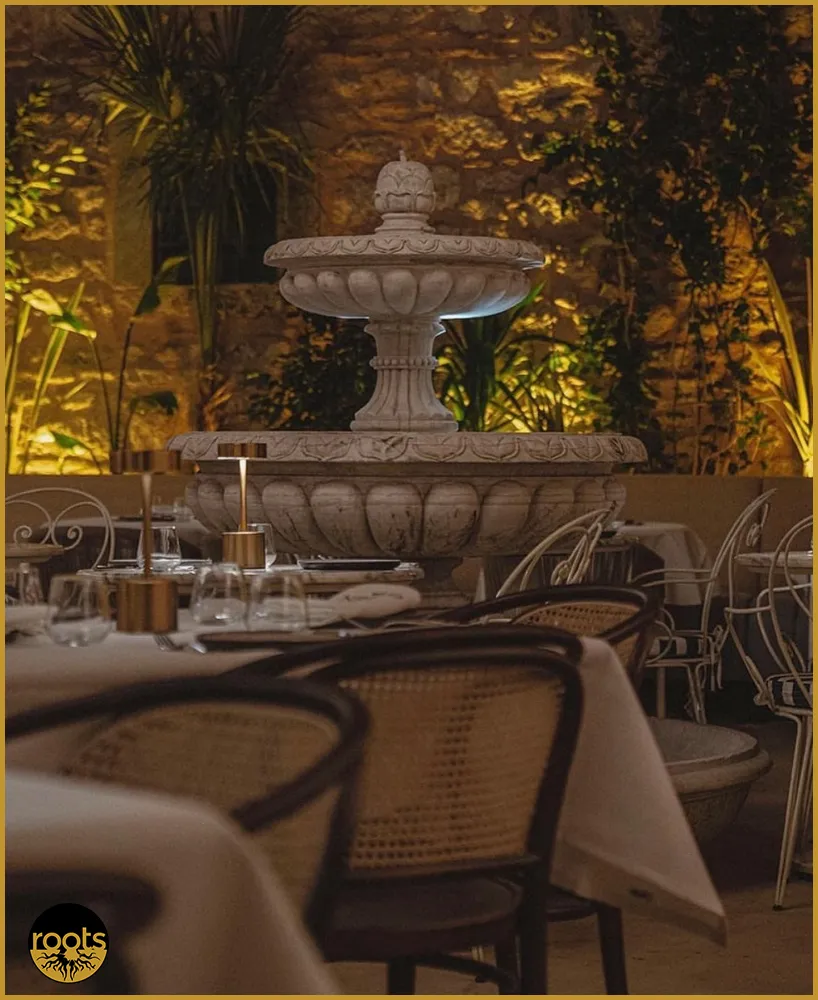
ARCHITECTURAL RESTAURANT FURNITURE- RESTAURANT GARDEN FURNITURE: The Heart of Your Venue
The success of a restaurant is not limited to the flavors it offers; it is also directly related to the overall experience it provides to the customer. One of the most important elements of this experience is the architectural restaurant furniture and restaurant garden furniture that determine the atmosphere and functionality of the venue. The right furniture choice both ensures aesthetic integrity and increases operational efficiency.
What Is Architectural Restaurant Furniture and What Does It Do?
Architectural restaurant furniture refers to furniture with high aesthetic and functional value that harmonizes with the overall design concept of the venue. This furniture should reflect the identity of the restaurant, keep customer comfort at the highest level, and at the same time be durable. Beyond being a single table and chair set, it is part of a whole that supports the flow, lighting and overall ambiance of the venue.
- It ensures the aesthetic integrity of the venue.
- It increases customer comfort and satisfaction.
- It contributes to operational efficiency (easy cleaning, mobility, etc.).
- It strengthens brand identity and atmosphere.
- It offers solutions for different usage areas (dining area, bar, waiting area, etc.).
Restaurant Garden Furniture: Comfort and Elegance in Outdoor Spaces
Restaurant garden furniture is a special range of furniture designed to make the outdoor areas of restaurants (terrace, garden, veranda, courtyard, etc.) comfortable and inviting. This furniture is produced from weather-resistant materials and must both blend in aesthetically with the venue and be practical.
- It creates seating and dining areas in outdoor spaces.
- It offers customers a different atmosphere and experience.
- It provides the opportunity to increase existing capacity.
- It carries the overall aesthetics of the venue to outdoor spaces.
- With its weather-resistant structure, it provides long-lasting use.
Who Is It Suitable For and What Needs Does It Meet?
Architectural restaurant furniture and restaurant garden furniture are ideal for the following venues and needs:
- Restaurants: To improve the customer experience in both indoor and outdoor spaces, increase the capacity of the venue and offer an aesthetic appearance.
- Cafes and Bistros: To support customer circulation and strengthen brand image by creating comfortable and stylish seating areas.
- Hotels and Holiday Resorts: To create comfortable and aesthetic spaces for guests in lobbies, restaurant terraces, poolside areas and gardens.
- Event Venues: To create stylish and functional seating arrangements for receptions, weddings and special organizations.
- Private Usage Areas: It also offers aesthetic and durable solutions for houses with gardens, villas and terraces.
In addition to meeting basic needs, the right furniture choice also supports achieving critical goals such as emphasizing the identity of venues, increasing customer loyalty and reducing operational costs.
In Which Situations Should It Be Preferred?
This type of furniture should especially be preferred in the following situations:
- During the opening of a new restaurant or the renovation of an existing venue.
- When it is desired to revive the atmosphere of the existing venue and make it more inviting.
- When the aim is to increase customer capacity by activating outdoor usage areas.
- When it is desired to reinforce brand identity and the aesthetic understanding that appeals to the target audience through furniture.
- When there is a need to invest in elements that directly affect customer satisfaction and comfort.
- When long-lasting and durable solutions are sought.
In What Ways Does It Differ from Its Alternatives?
Unlike standard home furniture or temporary solutions, architectural restaurant and garden furniture stands out with the following features:
- Durability and Material Quality: They are produced from specially selected materials suitable for intensive use and outdoor conditions (sun, rain, wind).
- Ergonomics and Comfort: They have an ergonomic structure designed so that the customer can be comfortable for a long time.
- Aesthetic and Design Integrity: They are designed in accordance with the architectural style and brand concept of the venue and complete the overall appearance of the venue.
- Functionality and Easy Maintenance: They have models with features that are easy to clean, store or arrange.
- Compliance with Standards: They are produced in accordance with safety and durability standards for commercial use.
Comparison of Different Material Types
Common materials used in restaurant furniture differ in terms of durability, area of use and cost. The following table shows this comparison more clearly:
| Material Type | Durability | Indoor/Outdoor Architectural Use | Cost (Average) | Prominent Features |
|---|---|---|---|---|
| Wood (Teak, Solid Pine, etc.) | High (especially teak) | Both indoor and outdoor (with appropriate treatments) | Medium - High | Natural and warm appearance, sturdiness. May require maintenance. |
| Metal (Aluminum, Iron, Stainless Steel) | Very High | Both indoor and outdoor | Medium - High | Modern appearance, durable, lightweight (aluminum), corrosion-resistant. |
| Plastic (Polypropylene, Polycarbonate) | Medium - High | Both indoor and outdoor | Low - Medium | Lightweight, resistant to water and UV rays, easy to clean, wide range of color options. |
| Rattan/Wicker (Synthetic and Natural) | Medium - High (synthetic rattan higher) | Both indoor and outdoor (synthetic rattan more suitable for outdoor spaces) | Medium | Natural and bohemian appearance, comfortable seating surfaces. |
| MDF/Particle Board with Veneer | Low - Medium | Indoor only | Low | Offers various surface appearances, sensitive to moisture. |
Things to Consider Before Purchasing
Making the right choice of architectural restaurant furniture and garden furniture is a long-term investment. For this reason, it is important to pay attention to the following points:
- Size and Layout of the Space: Furniture being in sizes suitable for the space provides both comfortable use and a comfortable circulation area.
- Harmony with the general design concept of the space and the atmosphere you aim for.
- Quality and durability of the material to be used. Especially for garden furniture, materials resistant to weather conditions should be preferred.
- Ergonomics and customer comfort: Details such as the seating depth of chairs, back support, and table heights are important.
- Ease of maintenance and cleaning: Ensuring hygiene under intensive use is of critical importance.
- Budget: High-quality and durable furniture may be more costly initially, but it provides cost efficiency in the long term.
- Reliability of the supplier and after-sales services.
- Evaluation of modular or stackable furniture options if necessary (for space optimization).
Frequently Asked Questions (FAQ)
What are the most important criteria when choosing restaurant garden furniture?
The most important criteria are durability (against weather conditions), material quality, customer comfort and harmony with the aesthetics of the space. Being easy to clean is also important for operational processes.
What are the main reasons for the price difference between different material types?
Price differences generally stem from factors such as the naturalness of the material, difficulty of processing, durability level (especially suitability for outdoor conditions), brand value and production technology. For example, teak wood or high-quality aluminum are more costly than more common types of plastic or iron.
What are the main differences between indoor restaurant furniture and outdoor garden furniture?
The main difference is the durability of the materials used and their resistance to weather conditions. Outdoor furniture is produced from materials that are more resistant to UV rays, moisture, temperature changes and physical wear. Indoor furniture, on the other hand, is generally designed using more aesthetically focused and comfortable materials, but these may be more sensitive to external factors.
How can I choose the right furniture that suits the style of my venue?
First of all, consider the overall architectural style of your venue (modern, rustic, classic, etc.) and the expectations of the target customer base you aim for. The color palette, material texture and forms should be compatible with this style. Getting professional support from a decoration expert or a furniture supplier can also be helpful.
Choosing the right furniture plays an important role in the success of your restaurant. By taking the information in this guide into consideration, you can make informed decisions to both increase the aesthetic appeal of your venue and optimize its functionality.











































































