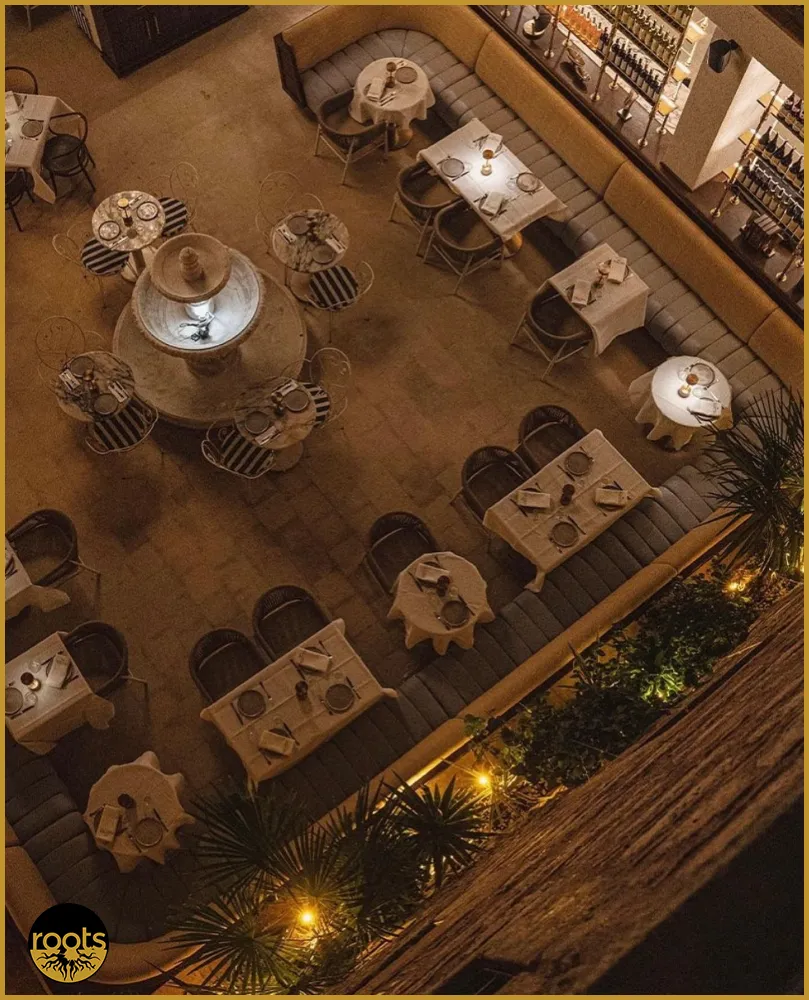
Architectural Restaurant and Garden Furniture: The Identity of Your Venue
One of the most important elements that determine the atmosphere of your restaurant is undoubtedly furniture. Both the architectural restaurant furniture used in indoor spaces and the restaurant garden furniture preferred in outdoor spaces, that is, in gardens, terraces or courtyards, create the first impression of your guests and reflect the overall concept of your venue.
The right furniture choice goes beyond being merely an aesthetic preference; it also directly affects the comfort of your guests, the functionality of your venue and the durability provided in the long term. In this comprehensive guide, you will find all the details to help you find the most suitable furniture solutions for your restaurant.
What Is Restaurant Furniture For?
Restaurant furniture is primarily designed to offer your guests a comfortable seating and dining experience. However, their functions are not limited to this:
- Creating Venue Identity and Atmosphere: Furniture determines the style of your restaurant (classic, modern, rustic, industrial, etc.) and creates an atmosphere that appeals to your target audience.
- Comfort and Experience: Ergonomically designed chairs, comfortable tables and practical seating groups encourage guests to stay longer in your venue.
- Space Efficiency: Furniture in different sizes and configurations allows you to optimize the use of your space. Foldable or stackable models can offer space savings.
- Durability and Sustainability: Furniture produced from high-quality and durable materials suitable especially for commercial use offers trouble-free use for many years, reducing costs.
- Hygiene and Easy Maintenance: Furniture with easy-to-clean surfaces helps maintain hygiene standards in restaurants.
Why Is Restaurant Garden Furniture Important?
Restaurant garden furniture carries the comfort and aesthetics of indoor spaces to outdoor spaces. Today, many restaurants aim to offer their guests a different experience, especially by expanding their open-air seating areas. Garden furniture meets the following needs:
- Expansion of the Venue: It provides the opportunity to serve more guests by increasing the existing indoor capacity.
- Presentation of a Different Atmosphere: Areas such as gardens, terraces or balconies create a different customer experience by offering a more relaxed, natural and spacious atmosphere.
- Advantage of Seasonality: The use of open-air areas in good weather can increase the occupancy rate of the restaurant.
- Aesthetic Contribution: Garden furniture enriches the exterior appearance of the venue and adds aesthetic appeal.
Who Is It Suitable For?
Architectural restaurant furniture and restaurant garden furniture appeal to a wide range of users:
- Restaurant Owners and Managers: Those who want to renew the atmosphere of their venues, increase their capacity or update their existing furniture.
- Cafe and Bistro Operators: Those who especially want to create more intimate and stylish venues.
- Hotel and Resort Operators: Those looking for aesthetic and comfortable solutions for lobbies, restaurants, terraces and gardens.
- Dining Area Designers: Professionals who develop custom and functional furniture solutions for their projects.
- Event Venues and Country Gardens: Businesses that need durable and aesthetic furniture for outdoor events.
Which Needs Does It Meet?
Correctly selected restaurant furniture meets the following basic needs:
- Aesthetics and Compliance with Brand Identity
- Guest Comfort and Satisfaction
- Increasing Venue Capacity and Efficient Use
- Durability and Long-Lasting Use
- Easy Maintenance and Cleaning
- Enriching the Customer Experience
In Which Situations Should It Be Preferred?
Architectural restaurant furniture and garden furniture stand out in the following situations:
- When Opening a New Restaurant: To determine the initial concept of the venue and create the atmosphere that will welcome guests.
- When Renovating an Existing Venue: To replace furniture that is worn out, outdated or has lost its functionality.
- When You Want to Increase Venue Capacity: To be able to serve more guests, especially by utilizing areas such as gardens, terraces or courtyards.
- When You Want to Strengthen Brand Identity: To make a difference with furniture that is unique to your venue, has character and appeals to your target audience.
- When Creating Seasonal Use Areas: To make open-air seating areas attractive during the spring and summer months.
In What Ways Does It Differ from Alternatives?
Restaurant furniture, unlike home furniture, is designed for more intensive and commercial use. Architectural restaurant furniture and especially garden furniture stand out with the following features:
- Durability and Material Quality: It is more resistant to continuous use, scratches, stains and weather conditions (for outdoor furniture).
- Ergonomics and Comfort: It is specially designed to ensure guests remain comfortable for long periods.
- Aesthetic Variety: It has a wide design range that can adapt to different concepts.
- Functionality: It can offer space efficiency with features such as stackability and foldability.
- Safety Standards: It meets safety standards suitable for commercial use.
Material Types and Comparison
The main material types used in restaurant furniture differ in terms of their durability, maintenance needs and costs. Here is a comparison of some commonly used materials:
| Material Type | Durability | Indoor/Outdoor Architectural Use | Ease of Maintenance | Average Cost |
|---|---|---|---|---|
| Wood (Teak, Acacia, Pine, etc.) | Medium-High (varies by type) | Both Indoor and Outdoor (more durable outdoors with protective coating) | Medium (regular maintenance and varnishing may be required) | Medium-High |
| Metal (Iron, Aluminium, Steel) | High | Both Indoor and Outdoor (attention must be paid to rust resistance and coating) | High (cleaning is generally easy) | Medium-High |
| Plastic / Polypropylene | Medium | Both Indoor and Outdoor (UV-protected models are suitable for outdoor use) | Very High (easy to clean) | Low-Medium |
| Rattan / Wicker (Natural or Synthetic) | Medium-High (synthetic rattan is more durable) | Both Indoor and Outdoor (synthetic rattan is ideal for outdoor use) | High (synthetic rattan is easy to clean) | Medium-High |
| Textile (Outdoor Fabrics) | Medium-High (waterproof and UV-protected models) | Especially Outdoor (but can also be used indoors) | High (resistant to stains and easy to clean) | Medium-High |
What Should Be Considered Before Purchasing?
The critical factors you should consider when choosing restaurant furniture are as follows:
- The Concept and Style of the Venue: Ensuring your furniture is compatible with your overall decoration maintains the integrity of your venue.
- Durability and Quality: Choose furniture made from sturdy, high-quality materials produced for commercial use.
- Comfort: Your guests' comfort should be your priority. Pay attention to details such as seat depth, back support and table heights.
- Space Measurements and Layout: It is important that the furniture is of dimensions suitable for your venue and leaves comfortable space for movement.
- Ease of Maintenance and Cleaning: Hygiene and cleanliness are of great importance in a restaurant environment. Choose surfaces that are easy to wipe and do not hold stains.
- Additional Factors for Outdoor Use (Garden Furniture): Make sure you choose materials that are resistant to weather conditions (sun, rain, wind), UV-protected and rust-proof.
- Budget: Evaluate options suitable for your determined budget without compromising on quality.
- Compatible Accessories: Pay attention to ensuring that accessories such as tablecloths, cushions and umbrellas are compatible with your furniture.
- Warranty and After-Sales Support: Obtain information about the warranty conditions of the products and the support offered by the supplier.











































































