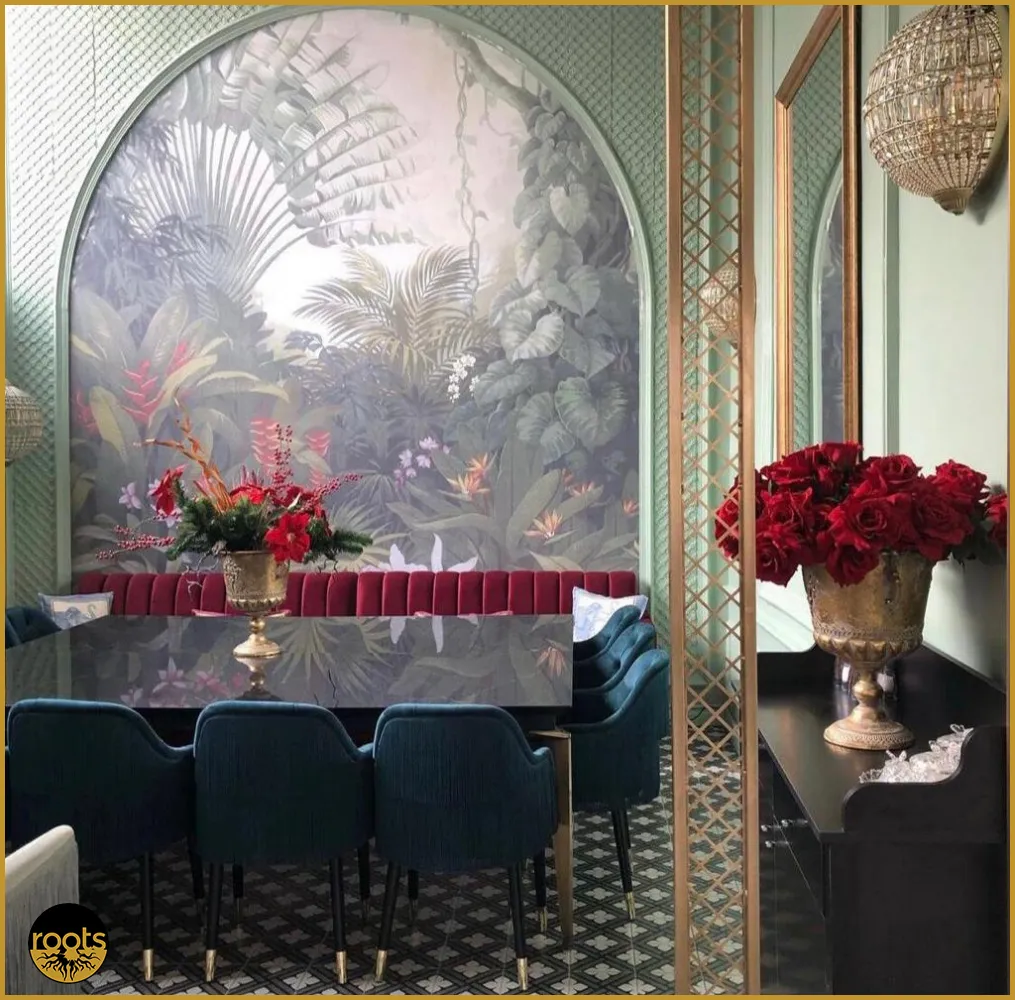
Architectural Restaurant Furniture and Space Perception
The success of a restaurant is directly related not only to the menu offered but also to the atmosphere in which guests feel themselves. Architectural restaurant furniture is the most fundamental element that determines the identity of a space. From industrial design to modern minimalism, from classical avant-garde approaches to bohemian touches, every style comes to life through the form, texture and layout of the selected furniture. Unlike standard household furniture, architectural furniture is specially optimized for commercial areas with high circulation.
Why Should Architectural Solutions Be Preferred?
Furniture used in commercial areas must meet functional requirements as well as aesthetic expectations. Architectural-oriented choices allow you to use the square meters of the space in the most efficient way while optimizing customer traffic (flow). This furniture is designed around the axis of ergonomics, durability and sustainability. Maintaining comfort during long sittings, accelerating cleaning processes and resisting mechanical wear are among the main goals of this discipline.
Restaurant Garden Furniture: Outdoor Dynamics
Outdoor areas are the spaces that increase the capacity of a restaurant and are in highest demand, especially during seasonal transitions. However, the selection of restaurant garden furniture contains much more critical technical details compared to indoor spaces. Environmental factors such as the sun's UV rays, humidity, rain and sudden temperature changes directly determine the lifespan of the furniture.
The main feature sought in garden furniture is the ability to "maintain its form". Oily woods such as iroko or teak that do not expand or crack should be preferred for wood types; for metal components, frames made of aluminum or stainless steel that do not corrode should be preferred. In addition, outdoor textile products being water-repellent and resistant to fading (acrylic-based) minimizes long-term costs.
Comparative Analysis by Material Types
In the furniture selection process, the material type directly affects both the budget and maintenance routines. The following table compares the most frequently preferred material types according to different criteria:
| Material Type | Durability Level | Area of Use | Cost Scale | Maintenance Need |
|---|---|---|---|---|
| Iroko / Teak Wood | Very High | Indoor and Outdoor | High | Requires annual oiling. |
| Aluminum (Powder Coated) | High | Outdoor Oriented | Medium - High | Very Low |
| Polypropylene (Plastic) | Medium | Fast Service / Garden | Low | Minimal cleaning is sufficient. |
| Solid Beech / Oak | High | Indoor Only | Medium | Regular dusting and polish control. |
| Synthetic Rattan | Medium - High | Outdoor | Medium | Washing and brushing. |
Critical Points to Consider Before Purchasing
Adding the following items to your checklist before deciding on an investment will prevent incorrect choices:
- Stackability: Especially in garden furniture, the ability to stack chairs at the end of the season or during cleaning provides ease of storage.
- Weight Balance: Furniture should be heavy enough not to be blown over in windy weather, yet light enough for staff to move.
- Floor Compatibility: The glides must be designed not to damage the floor material (ceramic, wooden deck, marble).
- Fabric Technology: Fabrics that resist stains, are easy to wipe clean and have a high abrasion resistance (Martindale test approved) should be preferred.
- Spare Parts and Service: It should be questioned whether long-term support can be obtained from the manufacturer for a broken leg or worn upholstery.
Frequently Asked Questions
Question: Can I use indoor chairs outdoors?
Answer: Generally no. The varnishes, glues and fabric types used in indoor furniture are vulnerable to moisture and UV rays. In a short time, color fading, opening at joints and mold problems can occur.
Question: In restaurant furniture, should comfort or durability come first?
Answer: This depends on your business concept. In a "fine dining" concept, comfort and seating duration are at the forefront; in "fast-casual" or high-turnover venues, durability and easy cleanability are the priority. The ideal is to combine an ergonomic frame structure with durable material.
Question: How do we prevent the risk of rust in metal furniture?
Answer: In metal furniture produced for outdoor use, electrostatic powder coating or cathodic electrodeposition coating techniques should be used. In places with saltwater effects such as the seaside, aluminum material is the safest choice.
Features That Set It Apart from Alternatives: Commercial vs. Residential Furniture
While home furniture is used a few times a day, a restaurant chair is used by dozens of different people a day and is constantly moved. Architectural restaurant furniture is produced with mortise and tenon joints, extra reinforced connection points and high-density foam to withstand this intense pace. Although the initial investment cost may seem high compared to residential furniture, it is much more advantageous in terms of total cost of ownership due to the length of the replacement period and its contribution to brand image.
A correctly chosen furniture group does not only provide seating space; it also increases acoustic comfort, supports service speed and helps you manage the time the customer spends in the venue. The power of architectural design comes from its ability to bring aesthetics and engineering together at the same point.











































































