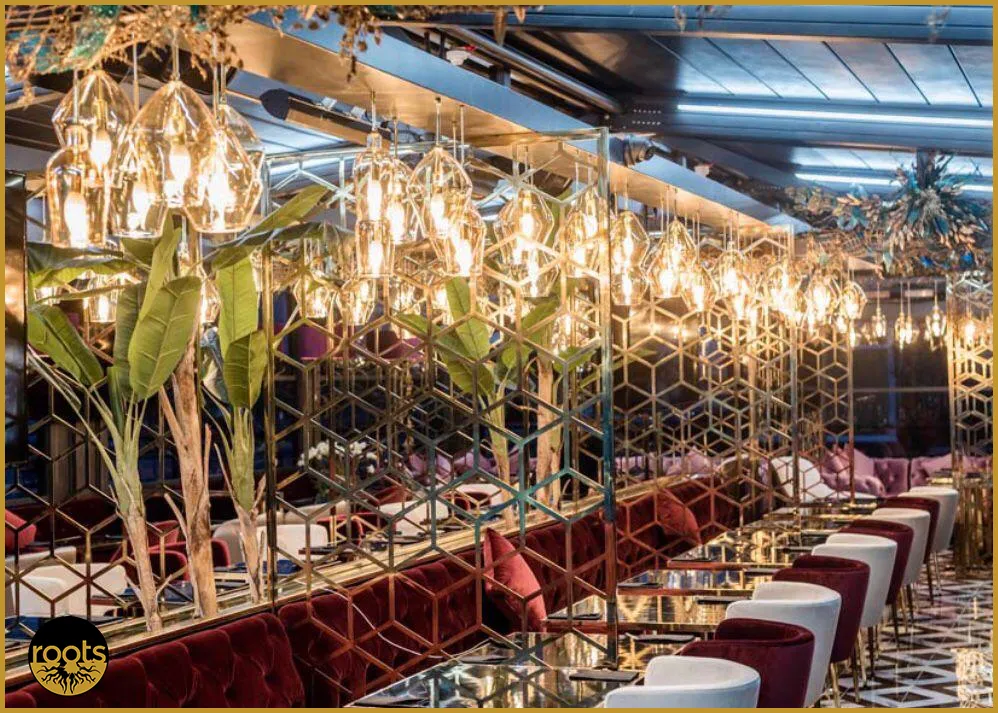
Functionality in Architectural Restaurant Furniture and Garden Design
The success of a restaurant or cafe is directly related to the comfort and aesthetic perception the venue offers as much as the menu presented. Architectural restaurant furniture is not merely a means of meeting seating needs, but strategic design elements that form the identity of the venue and increase customer loyalty. A correctly chosen piece of furniture organizes the flow of the venue, optimizes capacity usage and materializes the message the brand wants to convey to its target audience.
The textures and forms preferred in interior spaces directly affect the time guests spend in the venue. For example, if long evening dinners are targeted, high-backed and soft-padded seats; if fast turnover is targeted, simpler and more ergonomic chairs should be preferred. The architectural approach evaluates not only the visual appeal of this furniture, but also its contribution to business operations (cleaning, moving, stacking).
Restaurant Garden Furniture: Aesthetic Solutions for the Challenging Conditions of Outdoor Spaces
Outdoor areas such as gardens, terraces and verandas offer additional capacity and a spacious atmosphere for restaurants. However, the choice of restaurant garden furniture involves far more technical detail than indoor spaces. This furniture must be resistant to sun rays (UV), moisture, sudden temperature changes and wear caused by intensive use.
While architectural integrity is ensured in outdoor designs, the corrosion resistance and ease of maintenance of the material should be prioritized. From an architectural perspective, outdoor furniture should be conceived as an extension of the interior, yet the "open air" feeling should be preserved by choosing forms and color palettes in harmony with nature.
Which Material Should Be Preferred Where?
In restaurant and garden projects, material selection is the most critical factor determining both the budget and the lifespan of the furniture. The comparison table we have prepared for business owners and architects will shed light on the decision-making process:
| Material Type | Durability Level | Area of Use | Cost Axis | Maintenance Need |
|---|---|---|---|---|
| Solid Wood (Iroko/Teak) | High (Suitable for outdoor) | Garden, Terrace, Luxury Interior | High | Requires periodic oiling. |
| Aluminum (Powder Coated) | Very High (Rustproof) | All Outdoor Areas | Medium - High | Low (Washable). |
| Polypropylene / Plastic | Medium - High | Fast Service, Cafe, Poolside | Economical | Very Low. |
| Metal / Iron | High (Interior focused) | Industrial Designs | Medium | Attention should be paid to corrosion in humid environments. |
Critical Points to Consider Before Purchasing
Making a decision by looking only at the image of a piece of furniture in a catalog can increase operational costs in the long run. Here are the main criteria to consider:
- Ergonomics and Anthropometry: Chair and table heights conforming to standards are of vital importance for customer comfort.
- Stackability: Especially in outdoor furniture, the ability to stack furniture at the end of the season or during cleaning provides space savings.
- Weight Balance: Furniture should be heavy enough not to tip over due to external factors such as wind, yet light enough to be relocated (aluminum is ideal at this point in particular).
- Fabric Technology: In cushions and upholstery, water-repellent, stain-resistant and colorfast acrylic fabrics should be preferred.
- Floor Compatibility: The quality of the glides under the feet protects both the furniture and the floor of the venue.
Frequently Asked Questions
Question 1: What is the difference between commercial-type furniture and home-type furniture?
Commercial furniture is produced with reinforced connection points and materials resistant to intensive cleaning chemicals, designed to be used by dozens of different people every day. Home-type products cannot withstand this intensive circulation and may deform in a short time.
Question 2: Why are Iroko wooden furniture preferred for outdoor use?
Thanks to its natural oily structure, Iroko provides natural protection against water and pests. Since its hardness is high, it preserves its form for a long time even in the variable weather conditions of the outdoors.
Question 3: How should color selection be in restaurant furniture selection?
In small spaces, light colors and furniture with thin frames create a perception of depth. In areas with heavy traffic, textured surfaces and dark tones that show dirt less provide operational convenience.
In conclusion, the selection of architectural restaurant furniture and garden furniture is at the intersection of aesthetics, comfort and engineering. To maximize the return on investment (ROI), a professional approach should be exhibited, considering not only price but also the lifespan of the material and maintenance costs.











































































