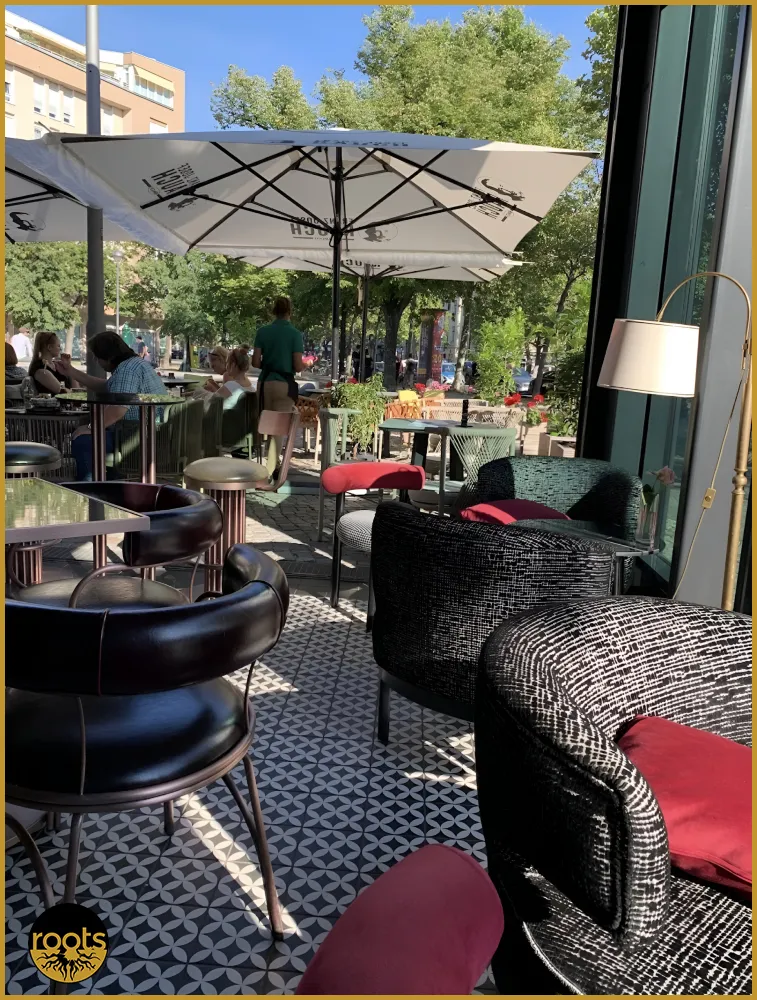
Modern Cafe Interior Designs: A Comprehensive Overview
Running a cafe is not only about offering delicious drinks and food, but also about providing customers with a pleasant experience. One of the most important elements of this experience is undoubtedly interior design. Modern cafe designs attract attention with their aesthetic appearance while standing out for prioritizing functionality and user experience. This guide has been prepared to support your decision-making process regarding modern cafe interior design, to answer your questions, and to help you create a design that maximizes your business's potential.
What Is Modern Cafe Design and Why Is It Important?
Modern cafe design generally brings together minimalist approaches, clean lines, natural materials, smart lighting solutions and functional layout. This design approach makes the space more spacious, inviting and aesthetically appealing. A well-designed cafe space not only offers your customers a comfortable area, but also reflects your brand identity, increases customer loyalty and contributes to potentially achieving higher revenue.
What Needs Does Modern Cafe Design Meet?
Modern cafe designs respond to various needs:
- Aesthetic Appeal: Impressing your customers by creating a striking and contemporary atmosphere.
- Functionality: Meeting operational needs such as the efficiency of the barista area, the ease of customer flow and the ergonomics of the seating arrangement.
- Customer Comfort: Encouraging longer stays with comfortable seating groups, appropriate lighting and acoustic arrangements.
- Brand Identity: Creating a unique space that reflects your business's values and style.
- Social Interaction: Creating areas where people can come together, chat and socialize.
- Efficiency: Providing a layout where employees can move comfortably and prepare orders quickly.
Who Is It Suitable For?
Modern cafe interior design is an ideal choice for businesses in the following situations:
- Entrepreneurs planning to open a new cafe.
- Business owners who want to refresh the atmosphere of their existing cafe space.
- Businesses whose target audience is young and trend-sensitive customers.
- Those who want to create a specific brand identity and reflect this identity in the space.
- Those who want to integrate technology and innovative solutions into the space design.
- Those who want to gain a competitive advantage by going beyond the ordinary.
When Should It Be Preferred?
Modern cafe design should especially be preferred in the following situations:
- If the space's target audience is young professionals, students or creative professionals.
- If your brand's image is dynamic, innovative and simple.
- If you want to offer your customers both fast service and a comfortable resting area.
- If you aim to make the best use of the space's natural light and create a spacious atmosphere.
- Simplicity and functionality should be at the forefront, but at the same time aesthetics should not be compromised.
Important Elements in Modern Cafe Design
1. Space Planning and Flow
A successful cafe design begins with smart planning of the space. The entire flow, from customer entrance to exit, from the ordering area to the seating areas, must be smooth. The location of the barista area, ordering area, kitchen access and restrooms is critical for operational efficiency.
2. Variety of Seating Areas
It is important to offer various seating options for different customer needs. This provides a comfortable experience for both individual workers and groups:
- Individual Work Areas: Single-person tables, seating options near power outlets.
- Group Seating Areas: Larger tables, banquette seating arrangements.
- Comfortable Corner Seats: Ideal areas for chatting and relaxing.
- High Stool Areas: For a quick coffee break or socializing.
3. Lighting
Lighting is one of the most important elements that determine the atmosphere of a space. Natural light is a priority in modern cafe designs. In artificial lighting, a layered approach is adopted:
- General Lighting: A practical light source that illuminates the space overall.
- Task Lighting: Lighting that highlights specific areas such as the barista area and reading corners.
- Accent Lighting: Spotlights that highlight decorative objects or architectural details.
- Ambient Lighting: Soft light sources used to create a warm and inviting atmosphere (for example, table lamps, wall sconces).
4. Color Palette and Materials
Modern designs are generally based on neutral colors (white, gray, beige), and vibrant colors are used for accent purposes. In material selection, natural and durable options stand out:
- Wood: Adds warmth and naturalness. Can be used in different tones.
- Metal: Provides an industrial or minimalist touch. Black, chrome or brass details can be preferred.
- Concrete: Can be used on floors, walls or ceilings for a modern and industrial look.
- Glass: Gives a feeling of spaciousness and transparency.
- Textile: Comfort and aesthetics can be provided with materials such as woven fabrics, linen or velvet.
5. Decoration and Details
Modern cafe designs are based on the principle of simplicity and functionality. Avoiding excessive ornamentation, the character of the space is emphasized with few but essential objects. Details such as green plants, minimalist artworks, unique lighting fixtures and brand-specific logos give the space an identity.
Comparison of Different Material Types
| Material Type | Durability | Interior Architecture Use | Exterior Architecture Use | Cost (Average) |
|---|---|---|---|---|
| Solid Wood | High (with proper maintenance) | Floors, wall coverings, furniture, decorative elements | Limited (with protective coating) | Medium - High |
| MDF/Chipboard (Coated) | Medium | Furniture, cabinets, niches | Not used | Low - Medium |
| Natural Stone (Marble, Granite) | Very High | Countertops, floors, wall accents | Can be used (with proper processing) | High |
| Concrete/Raw Concrete | Very High | Floors, walls, ceilings, countertops | Can be used | Medium |
| Metal (Stainless Steel, Iron) | Very High | Furniture legs, lighting, barista equipment, decorative items | Can be used (with proper coating) | Medium - High |
| Ceramic/Porcelain | High | Floors, wall coverings, countertops | Can be used | Medium |
| Glass | Medium (fragility) | Glass partitions, table tops, lighting | Can be used (safety glass) | Medium |
Distinguishing Aspects from Alternatives
Compared to traditional or rustic cafe designs, modern cafe designs stand out with the following features:
- Uses cleaner and simpler lines, avoids excessive details.
- Can use naturalness and industrial elements together in material selection.
- Places more importance on lighting, combines functionality and aesthetics.
- Focuses on creating flexible and multipurpose spaces.
- Is more open to technological integrations (for example, charging stations, digital menus).
- Offers ergonomic and comfortable solutions centered on customer experience.
Things to Consider Before Purchasing
When making a decision about modern cafe interior design or seeking professional support, it is important to pay attention to the following points:
- Budget Determination: Clearly determine the design and implementation costs.
- Target Audience Analysis: Research the expectations and preferences of your business's target audience.
- Space Characteristics: Take into account the physical conditions of the existing space (size, natural light, columns, etc.).
- Functionality Priority: Prioritize operational efficiency and customer comfort as well as aesthetics.
- Brand Alignment: Make sure the design is aligned with your brand's identity and vision.
- Long-Term Thinking: Evaluate long-term factors such as the durability of the selected materials and the design's compliance with trends.
- Getting Expert Opinion: Getting support from an experienced interior architect or designer can help you prevent potential mistakes and find the best solutions.
- Regulations and Permits: Learn about the necessary municipal permits and legal regulations regarding your space.











































































