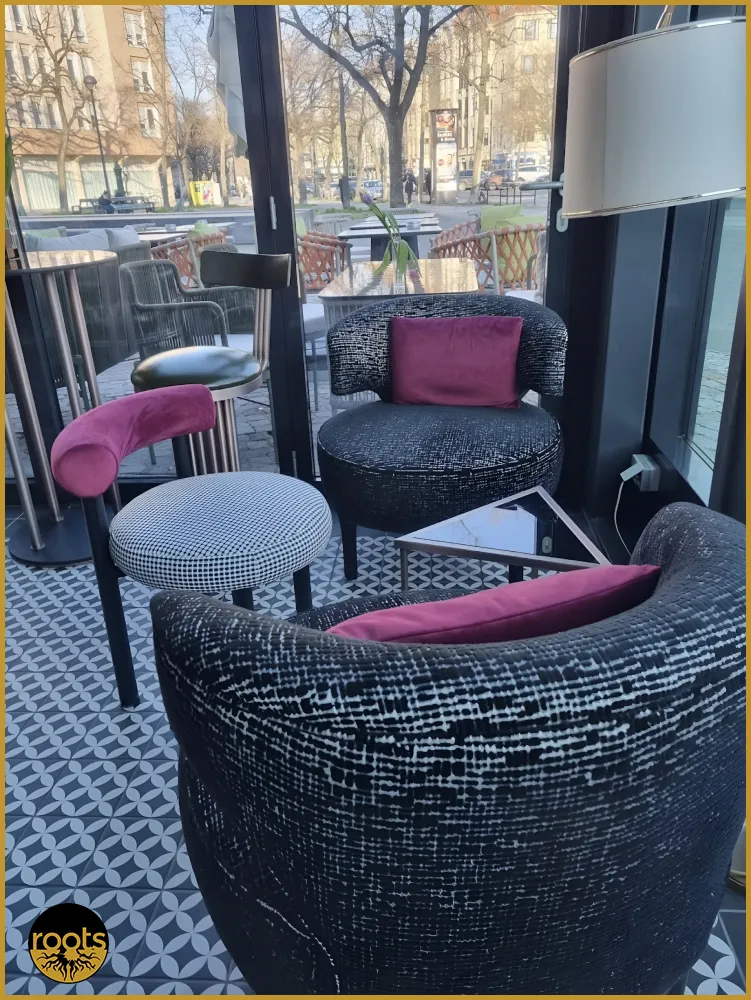
Modern Cafe Interior Design: Create Your Dream Space
All the information you need to create a comfortable and aesthetically rich cafe environment that will attract your customers is in this guide!
What Is Modern Cafe Design and Why Is It Important?
Modern cafe design is more than just a trend driven by aesthetic concerns; it is a holistic approach that highlights the functionality of the space, guest satisfaction and brand identity. In today's highly competitive food and beverage sector, the success of a cafe is directly related not only to the flavors it offers but also to the atmosphere it provides. Modern cafe interiors stand out with minimalist lines, natural materials, functional furniture and smart lighting solutions. This design approach aims to increase customer loyalty by offering your customers a comfortable, inspiring area where they will want to spend a long time.
A well-designed cafe space:
- Strengthens the first impression and attracts potential customers.
- Enriches the customer experience and increases the rate of repeat visits.
- Creates an environment where staff can work more efficiently.
- Reflects your brand value and identity, enabling you to make a difference.
Who Is It Suitable For?
Modern cafe interior design is ideal for cafe businesses of every scale and concept. In particular:
- Entrepreneurs planning to open a new cafe,
- Business owners who want to update the concept of their existing cafes,
- Those who want to offer their target audience an atmosphere that is modern and in line with trends,
- Businesses targeting customers looking for comfortable workspaces or socializing areas.
Whether it is a boutique coffee shop, a large social space or a quick-service point, modern design principles can be adapted to every situation.
Which Needs Does It Meet?
Modern cafe designs respond to versatile needs:
- Aesthetic Concerns: Enriches the customer experience by increasing the visual appeal of the space.
- Functionality: Optimizes customer flow, makes seating arrangements efficient and facilitates service areas.
- Comfort and Convenience: Ensures guests are comfortable for a long time with ergonomic furniture, appropriate lighting and acoustic arrangements.
- Brand Identity: Reflects the personality of your business through the color palette, material selection and overall atmosphere.
- Workspaces and Socializing Areas: Offers seating arrangements suitable for both individual workspaces and group conversations.
- Hygiene and Easy Maintenance: Increases operational efficiency through the selection of durable and easy-to-clean materials.
In Which Situations Should It Be Preferred?
Modern cafe design becomes a standout choice in the following situations:
- Modern and Young Target Audience: It is generally suitable for cafes targeting young professionals, students and those who follow trends.
- Need for Differentiation: When you want to stand out from competitors, create a unique atmosphere and offer an unforgettable experience.
- Innovative and Dynamic Concept: In spaces that not only serve coffee but also host additional functions such as an art gallery, book cafe or event area.
- Efficient Use of Limited Spaces: When small areas need to be made more spacious and practical with minimalist elements and smart storage solutions.
- Technological Integration: When you want to create an environment that responds to digital needs such as charging points and free Wi-Fi.
Material Selection: Durability, Aesthetics and Cost
The materials used in modern cafe designs must ensure both their aesthetic appearance and their longevity. A comparison of different material types is presented below:
| Material Type | Durability | Area of Use (Indoor/Outdoor) | Cost | Features |
|---|---|---|---|---|
| Concrete | Very High | Indoor and Outdoor | Medium | Industrial, modern, easy to clean. Can be used polished or raw. |
| Wood | High (If Properly Treated) | Indoor (Outdoor with special treatment) | Medium-High | Provides natural, warm, rustic or modern looks. Various tones and textures are available. |
| Metal (Steel, Aluminum) | Very High | Indoor and Outdoor | Medium-High | Minimalist, industrial, stylish looks. Ideal for fine details and forms. |
| Glass | Medium (High with Tempered Glass) | Indoor and Outdoor | Medium | Provides spaciousness and light transmittance. Used in partitions, tables, lighting. |
| Natural Stone (Marble, Granite) | High | Indoor and Outdoor | High | Luxurious, elegant and durable. Preferred for countertops, floors, wall coverings. |
| Ceramic / Porcelain | High | Indoor and Outdoor | Medium | Wide range of patterns and colors, stain-resistant, easy to clean. Ideal for floors and walls. |
How It Differs from Alternative Design Approaches
Modern cafe design differs from other design styles in some key points:
- Minimalism and Functionality: Unlike classical or ostentatious designs, modern design avoids unnecessary ornaments. Every element has a function.
- Material Use: Modern design, where natural and raw materials (concrete, wood, metal) come to the fore, differs from more traditional or rustic approaches.
- Color Palette: Generally neutral colors (white, gray, black, beige) and vibrant accent colors accompanying them are used. Overly bright and complex colors are avoided.
- Lighting: Functional lighting elements aimed at creating atmosphere, generally in industrial style or with minimalist design, are used.
- Technology Integration: In line with today's needs, technological elements such as charging stations and digital menus are easier to integrate into the space.
Things to Consider Before Purchasing
Paying attention to the following points before starting a cafe design project or renovating your existing space will help you achieve a successful result:
- Space Characteristics: Physical conditions such as the size of the area, natural light situation, existing infrastructure (electricity, water, etc.) directly affect design decisions.
- Target Audience Analysis: Who are you serving? Determining an atmosphere and concept suitable for your customer profile is critical.
- Budget Determination: Create a realistic budget for the entire project. Consider all items such as furniture, lighting, decoration, and renovation.
- Functionality and Flow Plan: Create a layout plan where customer and staff movement will be comfortable and service areas will be used efficiently.
- Material Selection: Choose materials that meet your expectations for durability, ease of maintenance, and aesthetics. Perform a cost-benefit analysis.
- Lighting Plan: Make a plan that will meet the needs for general lighting, task lighting, and ambient lighting.
- Acoustic Arrangements: Anticipating how noisy the space will be, consider sound-absorbing materials or solutions.
- Furniture Selection: Choose furniture that is both aesthetically compatible with the space and comfortable and durable.
- Storage Solutions: Sufficient and aesthetic storage areas ensure the space stays tidy.
- Professional Support: Getting professional support from architects or interior designers can help the project be more efficient and successful.
Frequently Asked Questions
With limited budgets, smart material choices and focused changes are important. For example, using accent colors or textures on walls and evaluating more economical but stylish alternatives for furniture can be beneficial. Renovating existing furniture or finding quality second-hand pieces can also be an option. Lighting can greatly change the atmosphere; therefore, you can start with a few correct lighting fixtures.
In small spaces, the minimalist approach of modern design provides a great advantage. By using light colors, you can make the space look more spacious. Multi-purpose and wall-mountable furniture help you save space. Lighting is the key to making small spaces look larger; you can use ceiling-mounted pendants or wall-mounted sconces. Reflective surfaces such as glass and mirrors can also make the space appear wider.
Modern designs generally feature a neutral color palette: whites, grays, beiges, and blacks. These colors add calmness and elegance to the space. However, this should not create a monotonous look. Warmth and character can be added to the space with wood tones, metallic details, or a few decorative objects in vivid colors. For example, a pleasant contrast can be achieved by using vivid orange or green cushions together with gray walls and wooden tables.











































































