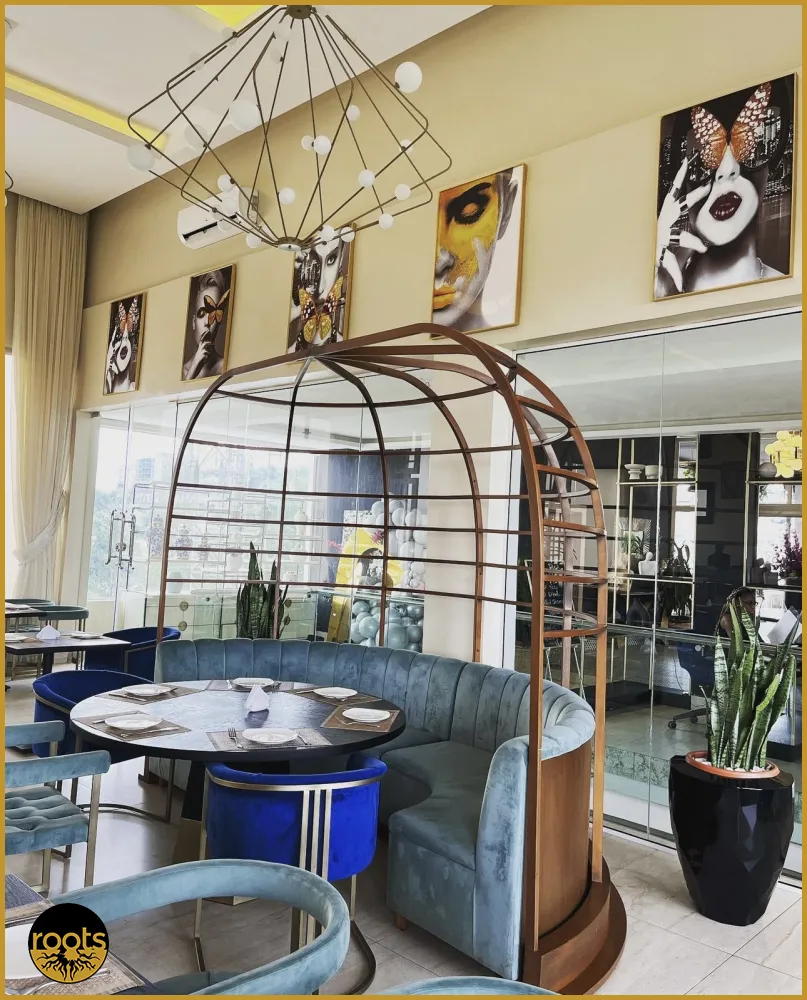
Cafe Interior Designs: Create the Space of Your Dreams
A cafe interior design is much more than just an aesthetic appearance. It is the cornerstone of creating an atmosphere where your customers will want to stay longer, feel comfortable and desire to visit again. The right design reflects the identity of your space, strengthens your brand value and increases your operational efficiency.
In this comprehensive guide, you will find the intricacies of cafe interior designs and all the important information to support your decision-making process. We are here to answer the questions in the minds of anyone researching your product or service and to help you make the best decision.
What Is Cafe Interior Design and What Does It Do?
Cafe interior design is the planning and implementation of all visual and functional elements that directly affect the customer experience in a cafe. This includes furniture selection, lighting arrangement, color palette, floor and wall coverings, decorative objects, planting and even the general flow of the space.
- Improves Customer Experience: Comfortable seating areas, appropriate lighting and a pleasant atmosphere ensure that customers have a more enjoyable time.
- Strengthens Brand Identity: Design distinguishes the cafe from others and increases brand awareness by creating a unique identity.
- Increases Social Media Engagement: Aesthetically attractive spaces encourage customers to take and share photos, which means free advertising.
- Increases Operational Efficiency: A well-planned kitchen and service area enables employees to serve faster and more effectively.
- Raises the Value of the Space: A professionally designed cafe increases its investment value.
Who Is Cafe Interior Design Suitable For?
Cafe interior design is essential for cafe businesses of every scale and concept. This includes:
- Cafes to Be Newly Opened: When creating a space from scratch, it is ideal for establishing the right foundation from the start.
- Those Who Want to Renovate Existing Cafes: It is necessary for those who want to revive aging or outdated spaces with a new vision.
- Those Who Want to Change Their Concept: Businesses that want to reach a different atmosphere or target audience.
- Chain Store Operators: Those who want to create a consistent brand experience across all branches.
- Entrepreneurs Who Want to Design Their Own Interior: Those who want to achieve more effective results by receiving professional support.
Which Needs Does It Meet?
An effective cafe interior design meets many fundamental needs:
- Spatial Functionality: Arrangements suitable for customer flow, service speed and operational requirements.
- Creating Atmosphere: A sensory experience (light, color, sound, scent) suitable for the target audience and brand concept.
- Comfort and Usability: Furniture and arrangements where customers can sit comfortably, work or socialize.
- Visual Appeal: An aesthetically pleasing, memorable appearance that creates a desire to visit again.
- Cost Effectiveness: Selection of budget-friendly, durable and long-lasting materials.
In Which Situations Should It Be Preferred?
Cafe interior design should be considered as a priority in the following situations:
- When Opening a New Cafe: To create the right first impression of the space.
- When Rebranding an Existing Cafe: To reach a different identity or customer base.
- To Stand Out in a Highly Competitive Environment: To attract attention by emphasizing the distinctiveness of the space.
- To Increase Customer Satisfaction: By improving the physical conditions of the space.
- To Solve Operational Problems: To eliminate disruptions in the flow of the space.
In Which Aspects Does It Differ from Alternatives?
Cafe interior design is generally different from random decoration or simply placing furniture. Its main distinguishing aspects are as follows:
- Comprehensive and Integrated Approach: Addressing the entire space as a whole instead of focusing on individual elements.
- Strategic Planning: Being carried out by taking factors such as target audience, brand identity, business goals and budget into account.
- Functionality Focus: Focusing on the practical use and efficiency of the space as well as aesthetics.
- Expertise and Experience: Being carried out by experts in design principles, material knowledge and user behavior.
- Measurable Results: The positive impact of the design on customer satisfaction, sales and brand loyalty being measurable.
Things to Consider in Material Selection
The materials used in cafe interiors are of great importance in terms of both aesthetics and durability. A comparison of different material types is given below:
| Material Type | Durability | Interior / Exterior Architectural Use | Cost (General) | Features |
|---|---|---|---|---|
| Solid Wood | High (with proper maintenance) | Mainly Interior | Medium - High | Creates a natural, warm and inviting atmosphere. Gains character over time. Should be used carefully against scratches and moisture. |
| Wood Veneer (on MDF/Particleboard) | Medium | Interior | Low - Medium | Offers the look of solid wood more economically. A wide range of patterns and colors is available. More sensitive to moisture and impacts. |
| Metal (Steel, Aluminum, Iron) | Very High | Interior and Exterior | Medium - High | Ideal for modern, industrial and minimalist designs. Durable, but a coating may be required against rust. May give a cold feel. |
| Natural Stone (Marble, Granite) | High | Interior and Exterior | High | Provides a luxurious, sophisticated and lasting appearance. Due to its porous structure, it may be sensitive to staining. Heavy and costly. |
| Ceramic / Porcelain Tiles | High | Interior and Exterior | Low - Medium | Durable, easy to clean and available in a wide variety of patterns, colors and textures. Provides ease of application. |
| Concrete / Micro-Cement | High | Interior and Exterior | Medium | Used for modern, industrial and minimalist designs. Durable, but cracking should be prevented with proper application. May give a cold feel. |
| Glass | Medium (Breakable) | Interior and Exterior | Low - High (depending on model) | Makes the space look brighter and more spacious. Used in decorative objects, tables or partitions. Safety glass should be preferred. |
| Textile Products (Fabric, Leather) | Medium (varies by use) | Interior | Low - High (depending on material) | Add comfort and aesthetics. Stain-resistant, easy-to-clean and durable fabrics should be preferred. |
Things to Consider Before Purchasing and Planning
Paying attention to the following points before starting a cafe interior design project or rearranging your existing space will increase your success rate:
- Dimensions and Layout of Your Space: Take accurate measurements of the existing area and plan the furniture placement and customer flow accordingly.
- Target Audience Analysis: Determine whom you want to serve. Young people, families, or professionals? The design should be shaped accordingly.
- Your Brand Concept: What will be the overall identity of your cafe? Modern, vintage, minimalist, or bohemian? The design should reflect this identity.
- Budget Setting: Create a realistic budget and seek the best solutions within this budget.
- Functionality and Ergonomics: It is important not only to look good but also to be comfortable and practical. Pay attention to details such as seating arrangements, table heights, and service areas.
- Lighting Planning: Lighting greatly affects the atmosphere of the space. Plan both general lighting and ambient lighting in a balanced way.
- Color Palette Selection: Colors affect mood. Choose colors that are compatible with your brand and will create the atmosphere you want.
- Material Selection: Choose materials considering factors such as durability, ease of maintenance, and aesthetics. Cleanliness and hygiene is one of the most important elements.
- Acoustic Arrangement: Noise level is important in cafes. Excessive noise can be disturbing; a more pleasant environment can be created with the right acoustic solutions.
- Legal Regulations and Safety: Do not ignore legal requirements such as fire regulations, emergency exits, and disabled access.
- Get Professional Support: If you do not have experience in this field, working with an interior architect or designer can save you time and cost in the long run.
Frequently Asked Questions
Question: Which colors are most preferred in cafe interior design?
Answer: This varies depending on your cafe's concept and target audience. However, generally warm colors (brown tones, beige, cream), natural tones (green, earth colors), and soft pastel tones create a warm and inviting atmosphere. More vibrant colors can also be used for modern and dynamic cafes. What matters is the harmony of the colors with each other and their integration with your brand identity.
Question: What should be considered in interior design for a small cafe?
Answer: Use of light is very important in small spaces. Light colors, ample lighting, and mirrors make the space look more spacious. Multifunctional or compact designs should be preferred in furniture selection. Seating areas integrated into walls or folding tables save space. Wide passageways should be left so as not to narrow the flow of the space.
Question: How important is lighting in cafe interior design?
Answer: Lighting is one of the most critical elements of cafe interior design. It determines the overall atmosphere of the space and highlights your products and decoration. Different types of lighting (general, task, ambient) should be used in a balanced way. For example, brighter light can be used for work areas and dimmer light for relaxation corners. Making maximum use of natural light is also important.
Question: What should be prioritized in furniture selection?
Answer: The priority in furniture selection should be comfort, durability, and aesthetics. Ergonomic designs that your customers can sit and use comfortably should be preferred. Being made of materials resistant to the intensive use of the cafe provides a cost advantage in the long run. Finally, the selected furniture should be compatible with the overall design concept of the space.
Conclusion
Successful cafe interior design is not only an aesthetic touch but also a strategic investment. By optimizing the customer experience, increasing brand value, and ensuring operational efficiency, it contributes to the long-term success of your business. In light of the information presented in this guide, you can make informed decisions to turn your dream cafe into reality.











































































