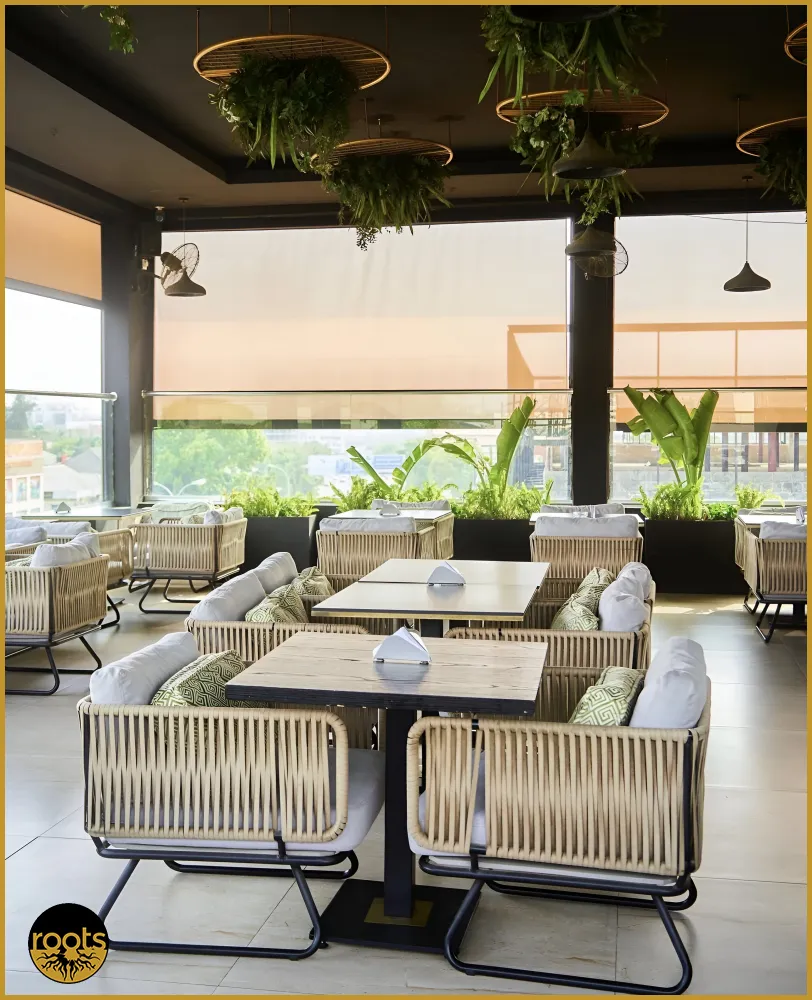
Cafe Interior Designs: Essential Elements for a Successful Cafe
A cafe is more than just a place to drink coffee; it is a living space where people socialize, work and have a pleasant time. Therefore, cafe interior design plays a critical role in the success of the venue. An impressive interior offers your customers an unforgettable experience, helping you win their loyalty and strengthening your brand identity.
What Is Cafe Interior Design?
Cafe interior design is a comprehensive process that determines the aesthetic, functional and atmospheric features of a cafe. This process covers many details, from the overall concept of the venue to furniture selection, from lighting to the color palette, from material use to customer experience. The aim is to create an attractive and comfortable environment for customers while also increasing operational efficiency.
Why Is Professional Cafe Interior Design Important?
Interior design is important for a successful cafe for the following reasons:
- First Impression: Customers form an impression the moment they enter the venue. An attractive design leaves a positive first impression and encourages them to come in.
- Customer Experience: Comfortable seating areas, appropriate lighting, a smooth circulation area and an aesthetic ambiance increase how long customers stay in the cafe and their satisfaction.
- Brand Identity: The design should reflect the cafe's concept and brand values. This helps the brand connect with its target audience.
- Functionality and Efficiency: A well-planned venue enables your staff to work more efficiently. The positioning of barista stations, service routes and optimizing customer flow affect operational success.
- Differentiation in Competition: In a crowded market, an original and memorable interior design helps you stand out from your competitors.
Who Is Cafe Interior Design Suitable For?
Cafe interior design is ideal for the following groups:
- Entrepreneurs planning to open a new cafe.
- Business owners who want to improve the atmosphere and functionality of their existing cafes.
- Brands that want to appeal better to their cafe's target audience.
- Those who want to save time and resources by getting professional support on decoration.
Which Needs Does It Meet?
Effective cafe interior design meets the following needs:
- Spatial Optimization: Using limited spaces in the most efficient way.
- Creating Atmosphere: Establishing an environment suited to the targeted concept and customer profile.
- Comfort and Ergonomics: Providing furniture and arrangements that allow customers to sit and spend time comfortably.
- Aesthetic Appeal: Creating a visually pleasant and inviting venue.
- Functionality: Offering easy and practical use for both customers and staff.
In Which Situations Should Cafe Interior Design Be Preferred?
Cafe interior design should be especially preferred in the following situations:
- Opening a New Cafe: To create a strong brand identity and a functional venue from the very start.
- Renovating an Existing Venue: To modernize outdated designs that reduce customer satisfaction.
- Concept Change: When the venue also needs to be updated in parallel with a change in the products or services the cafe offers.
- Customer Complaints: When feedback is received that the venue is cramped, dark or uncomfortable.
- Market Competition: When you want to offer a more attractive and distinctive venue compared to your competitors.
Different Material Options and Comparisons
The materials used in cafe interiors directly affect both the aesthetic appearance and the durability and ease of maintenance of the venue. Choices should be made according to the venue's concept, budget and frequency of use.
| Material Type | Durability | Indoor Use | Cost (Overview) | Advantages | Disadvantages |
|---|---|---|---|---|---|
| Wood (Solid, Veneer) | Medium - High (With Maintenance) | Very High | Medium - High | Natural, warm and inviting appearance; wide range of styles. | May be sensitive to scratches and moisture; may require regular maintenance. |
| Metal (Iron, Steel, Aluminum) | High | Very High | Medium | Ideal for modern, industrial and minimalist designs; durable and easy to clean. | May feel cold; must be protected against rust with special coatings. |
| Marble / Granite | High | High | High | Luxurious and sophisticated appearance; resistant to stains and scratches (some types). | May be heavy, expensive and fragile; may be affected by acidic substances. |
| Concrete (Decorative) | High | High | Low - Medium | Suitable for industrial, modern and minimalist styles; durable and easy to maintain. | May tend to absorb moisture and stains; requires professional application. |
| Ceramic / Porcelain (Floor/Wall) | High | High | Low - Medium | Wide range of color, pattern and texture options; resistant to moisture, stains and wear; easy to clean. | Hard surface; may cause dropped items to break; some types may be slippery. |
| Glass | Medium (Transparent), High (Tempered) | High | Medium | Adds spaciousness and brightness to the space; frequently used in modern designs. | May be fragile (tempered glass should be preferred); may show fingerprints and stains. |
| Textile (Fabric Upholstery) | Medium - High (Depending on Quality) | High | Low - High | Provides comfort and aesthetic variety; enriches the space with color and texture. | May be sensitive to staining and wear; requires regular cleaning. |
Points to Consider in Cafe Interior Design
For a successful cafe interior design, it is important to pay attention to the following points:
- Concept Determination: The cafe's identity (for example, minimalist, industrial, retro, rustic, modern, etc.) must be clearly determined and all design decisions must be appropriate to this concept.
- Customer Flow and Layout Plan: A layout plan must be created in which customers can move comfortably, easily reach service areas, and the seating arrangement is efficient. The barista station, service routes and the location of restrooms must be determined strategically.
- Seating Arrangement: Various seating options must be offered for different customer needs (for example, single-person tables, tables for large groups, armchairs, bar stools). Comfortable and ergonomic furniture must be selected.
- Lighting: It is one of the most important elements that determine the ambiance. General lighting, task lighting (for example, above the tables, the bar area) and accent lighting (for example, artworks, plants) must be used in a balanced way. Making maximum use of daylight is also important.
- Color Palette: Colors directly affect the atmosphere of the space. Colors that are appropriate to the concept, but also inviting and relaxing, must be selected.
- Material Selection: As detailed above, materials must be selected considering durability, aesthetics and ease of maintenance. Floor coverings, wall coverings, table and chair materials must complete the overall appearance of the space.
- Acoustics: An acoustic environment must be provided in which customers can comfortably hear each other, but there is no excessive noise. Sound-absorbing materials can be used.
- Decorative Elements and Accessories: Paintings, plants, special objects and textile products (curtains, cushions) add character to the space. These must be compatible with the concept.
- Budget Management: The budget determined throughout the design process must be adhered to. Prioritizing and producing alternative solutions is important.
- Accessibility: Necessary arrangements must be made so that individuals with disabilities can also easily access the space and move comfortably (ramp, wide doors, accessible restrooms).
Frequently Asked Questions (FAQ)
Question: What are the most popular cafe interior design concepts?
Answer: Among today's popular cafe interior design concepts, industrial, minimalist, rustic, modern, bohemian (boho) and vintage styles stand out. Each concept has its own unique colors, materials and furniture choices. For example, while raw brick, metal and wood are used in the industrial style, simple lines and neutral colors dominate in the minimalist style.
Question: How much does cafe interior design cost?
Answer: Cafe interior design cost varies greatly depending on many factors such as the size of the space, the quality of the selected materials, the type of furniture and lighting fixtures, and whether professional design services are received. Although it is difficult to give a general estimate, an idea can be obtained based on the cost per square meter. However, investing more initially can provide a return by creating a more durable and attractive space in the long term.
Question: Which lighting types should be preferred in cafe interior design?
Answer: Different lighting types must be used together for a balanced lighting plan. Ceiling fixtures can be preferred for general lighting, pendants above the bar or table lamps for task lighting, and spotlights for accent lighting. In addition, windows must be left unobstructed to make the best use of natural light, and light-reflecting surfaces can be used.
Question: What are the interior design tips for a small cafe?
Answer: Space saving and a feeling of spaciousness are important in small cafes. For this, you can make the space look larger by using light colors, prefer multifunctional furniture, create a perception of depth by using mirrors on the walls, and use shelf systems that utilize vertical space. Smaller tables and chairs suitable for narrow areas can also be preferred.
Question: How can I host more people in my space?
Answer: To host more guests, you first need to optimize the seating arrangement. Arranging tables suitable for different group sizes, using corner areas efficiently and, if necessary, expanding bar seating areas can be beneficial. In addition, improving the flow of the barista and service area to provide fast service will also increase service quality in parallel with your customer density.
Remember: A successful cafe interior design is not merely an aesthetic concern. It is also a holistic approach that brings together functionality, comfort and brand identity. The right design maximizes the potential of your space.











































































