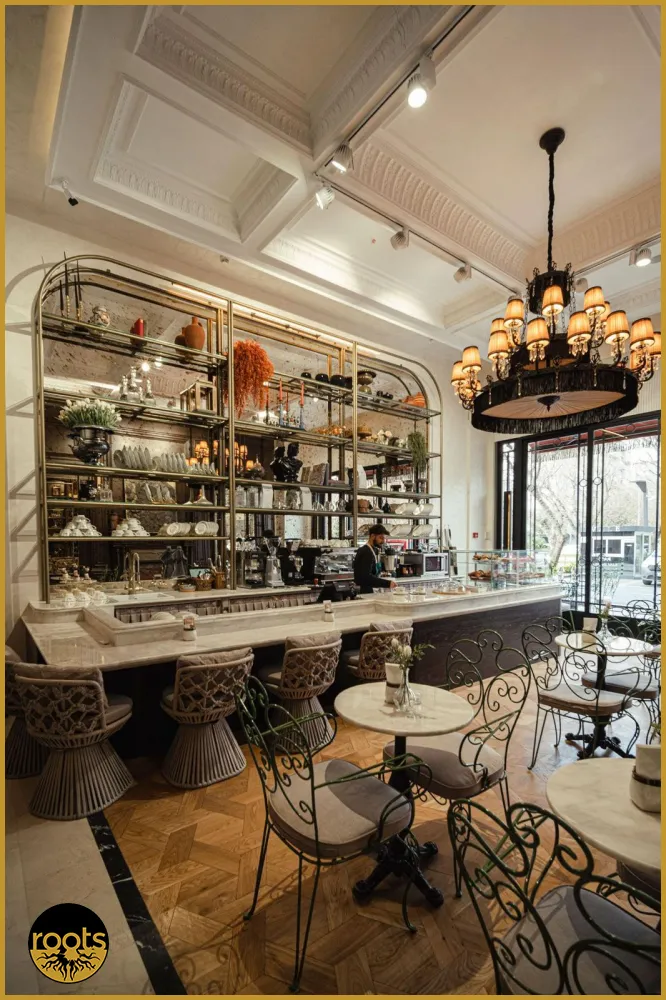
Architectural Cafe Projects: The Meeting Point of Aesthetics and Function
An architectural cafe project aims to offer your guests an unforgettable experience, beyond being just a place where beverages and food are served. A successful cafe project must not only be aesthetically appealing but also provide functionality, user comfort and operational efficiency at the highest level. This comprehensive guide has been prepared to support the decision-making processes of those researching a cafe project.
What Is an Architectural Cafe Project and Why Is It Important?
An architectural cafe project covers the process of planning and projecting a cafe venue in detail, starting from the initial concept, including architectural drawings, interior design, material selection, lighting planning, furniture selection and even operational flow.
Key Points:
- Customer Experience: The atmosphere of the venue directly affects guests' length of stay and satisfaction.
- Brand Identity: The design should reflect your brand's values and personality.
- Operational Efficiency: A cleverly designed venue enables your staff to work more efficiently.
- Competitive Advantage: Original and eye-catching designs set you apart from your competitors.
Who Is It Suitable For?
Architectural cafe projects appeal to a wide audience, from entrepreneurs considering opening a new cafe to business owners who want to modernize their existing venues or strengthen their brand identity. In other words, in every case where the venue offers not just a 'place' but an 'experience', an architectural project should be considered.
Which Needs Does It Meet?
An architectural cafe project aims to meet the following fundamental needs:
- An Aesthetic and Appealing Venue: Leaving a positive first impression when customers step inside.
- Comfortable Seating Areas: Seating arrangements that appeal to different customer groups (individual workers, friends, families).
- Functional Kitchen and Service Areas: Arrangements optimized for staff to work efficiently.
- Effective Lighting: Lighting solutions that define the atmosphere of the venue, both aesthetic and functional.
- Acoustic Comfort: Sound insulation and acoustic arrangements to provide a comfortable conversation environment.
- Brand Integrity: Harmony between the decor, logo, menu and presentation.
In Which Situations Should It Be Preferred?
Creating a professional architectural cafe project would be beneficial in the following situations:
- Opening a New Cafe: To plan every step correctly, from concept to implementation.
- Renovating an Existing Cafe: To update outdated decor, increase the venue's potential or adapt to current trends.
- Strengthening Brand Identity: To ensure the venue reflects the brand's story and values.
- Differentiating in a Competitive Market: To stand out with a unique design language.
- Optimizing Space Usage: To use narrow or unusual spaces more efficiently.
Material Selection: Durability, Aesthetics and Cost
In cafe projects, material selection directly affects both the lifespan and the aesthetic appearance of the venue. A comparison of different material types in terms of durability, area of use and cost:
| Material Type | Durability | Area of Use (Indoor/Outdoor) | Cost (Estimated Comparison) |
|---|---|---|---|
| Wood (Solid, Veneer, MDF) | Medium - High (Requires polishing and maintenance) | Indoor (Special treatments required for outdoor use) | Medium - High |
| Natural Stone (Marble, Granite, Travertine) | High | Indoor and Outdoor | High |
| Concrete (Polished, Decorative) | High | Indoor and Outdoor | Medium |
| Metal (Iron, Steel, Aluminum) | High | Indoor and Outdoor | Medium - High (Varies by coating) |
| Ceramic/Porcelain Tile | High | Indoor and Outdoor (Slip-resistant properties are important) | Medium |
| Fabric/Leather (Upholstery) | Medium (Depends on frequency of use and maintenance) | Indoor | Medium - High |
| Glass (Tempered, Laminated) | Medium - High (Depends on quality and thickness) | Indoor and Outdoor (Safety standards are important) | Medium |
Design Elements and Details
A successful architectural cafe project carefully addresses the following design elements:
- Spatial Planning: A layout where visitors can move around comfortably, with sufficient distance between tables and efficient use of service areas.
- Lighting Design: The ambiance of the space is enhanced with a layered approach including general lighting, task lighting (reading areas, above the counter) and accent lighting (decorative objects, plants). Making the best use of natural light is important.
- Color Palette: Selection of colors compatible with the brand identity and serving the purpose of the space (relaxing, energetic, etc.).
- Material and Texture Richness: Using different textures and materials together to give the space depth and increase its visual appeal.
- Furniture Selection: Selection of furniture that is comfortable both aesthetically and ergonomically, durable and suitable for the space.
- Planting: Indoor plants are an effective way to add vitality to the space and improve air quality.
- Acoustic Solutions: Noise-absorbing materials (fabric panels, carpets) or special acoustic arrangements prevent sound from reaching disturbing levels.
Aspects That Differentiate It from Alternatives
An architectural cafe project is not limited to the decoration of the space or the drawings of an interior architect. It offers a more comprehensive approach:
- Holistic Approach: Concept development, brand identity integration, user experience analysis and operational processes are taken into consideration.
- Professional Expertise: An expert perspective that evaluates the physical boundaries of the space, legal requirements, aesthetic principles and functional needs together.
- Long-Term Investment: A properly planned project has an investment value that will carry the space into the future, increase customer loyalty and reduce operational costs.
- Originality: Rather than ready-made solutions, personalized solutions suited to the spirit of the space and the brand are offered.
Things to Consider Before Purchasing
Before having an architectural cafe project made or purchasing a ready-made project, it is important to pay attention to the following points:
- Scope of the Project: Is it only interior drawings, or does it also include additional services such as concept development, material list and lighting plan?
- Experience of the Designers/Architects: Review their reference projects and see their previous cafe work.
- Features of Your Space: Evaluate whether the project is suitable for the physical features of your existing space (size, height, columns, window position, etc.).
- Budget Compatibility: Analyze whether the material and labor costs specified by the project match your budget.
- User Focus: Get an idea of how well the project responds to the needs and expectations of your target audience.
- Legal Permits and Regulations: Obtain information on the project's compliance with the permits that must be obtained from the local municipality and relevant institutions.
Frequently Asked Questions
In Conclusion
A successful architectural cafe project is a strategic step that directly affects the return on your investment. Making your space not only functional but also a living space where your guests will have enjoyable memories is possible with an expert perspective and detailed planning. This guide has been prepared to guide you in your decision-making process.











































































