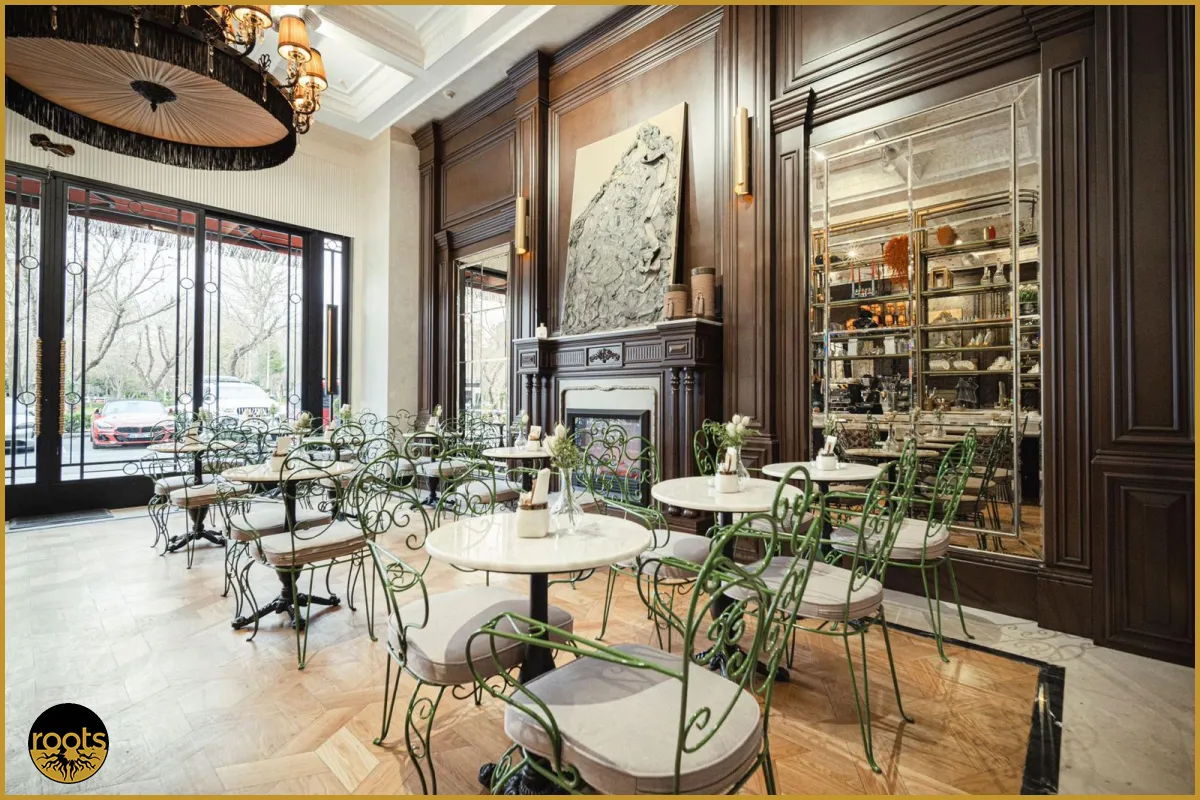
Architectural Cafe Projects: A Comprehensive Overview from Concept to Implementation
The success of a cafe project is directly related not only to the flavors it offers but also to the atmosphere of the space, the experience it provides and its aesthetic quality. Architectural cafe projects play a critical role at this point. One of the fundamental elements that determines the identity of a cafe, attracts its target audience and enables it to stand out in competition is its professionally designed interior and exterior spaces.
What Is an Architectural Cafe Project and Why Is It Important?
An architectural cafe project is a holistic process that starts with the concept of a cafe and covers the planning of the space, the creation of interior and exterior designs, material selections, lighting, furniture placement and even the determination of operational flow. This project prioritizes not only aesthetic concerns but also the functionality of the space, user experience and brand identity.
Why is it important?
- Creating Brand Identity: A unique architecture reflects the personality and values of the brand, creating an unforgettable identity.
- Customer Experience: A comfortable, inviting and aesthetically pleasing space encourages customers to stay longer and return.
- Functionality and Efficiency: A professional design both facilitates operational flow for staff and optimizes customer movement.
- Competitive Advantage: Spaces that differentiate and attract attention provide a significant advantage in the crowded cafe sector.
- Maximum Use of Spatial Potential: Using the area in the most efficient way increases both customer capacity and service quality.
Who Is It Suitable For?
Architectural cafe projects are ideal for the following groups:
- Entrepreneurs Who Want to Open a New Cafe: Those who want to establish a professional infrastructure from the start.
- Those Who Want to Renovate or Improve Their Existing Cafes: Those who want to modernize their spaces, make them more attractive or increase their functionality.
- Those Who Want to Realize a Specific Concept: Those with special ideas such as a theme cafe, boutique coffee shop or healthy lifestyle concept cafe.
- Investors: Those who want to maximize investment returns by creating a valuable and permanent space.
What Needs Does It Meet?
Architectural cafe projects meet various needs of a cafe business:
- Aesthetic and Functional Design of the Space: Combines visual appeal with ease of use.
- Concept Development and Implementation: Determining a unique concept that reflects the spirit of the cafe and integrating it into all details.
- Improving Customer Experience: Creating a comfortable environment with elements such as seating arrangements, lighting and sound acoustics.
- Optimization of Workspaces: Increasing the efficiency of operational areas such as the kitchen, service area and bar.
- Design for the Target Audience: Creating an atmosphere that appeals to the determined customer profile.
- Brand Consistency: Integration of brand elements such as logo and color palette into the space design.
In Which Situations Should It Be Preferred?
Architectural cafe projects should especially be preferred in the following situations:
- In Areas with Intense Competition: To differentiate and attract attention.
- When Offering a Unique Experience Is Desired: To stand out from ordinary spaces and create unforgettable moments.
- When Establishing a Long-Term and Sustainable Business Model Is Desired: In terms of the durability and currency of the space and customer satisfaction.
- When Aiming to Elevate Brand Value: To gain prestige with a professional appearance.
- When It Is Necessary to Increase the Capacity and Efficiency of the Space: Through space usage optimization.
Points to Consider in Material Selection
Material selection in cafe design directly affects both the aesthetics and durability of the space. The advantages and disadvantages of different material types are as follows:
| Material Type | Durability | Interior/Exterior Architectural Use | Cost (General Trend) | Features and Points to Consider |
|---|---|---|---|---|
| Natural Wood | Medium-High (Depends on Maintenance) | Interior and Exterior (Specially Treated Exterior Types) | Medium-High | Creates a warm and friendly atmosphere. Care should be taken against scratches and moisture. Available in various colors and textures. |
| Marble / Granite | High | Interior (Countertops, floors, wall coverings) | High | Offers a luxurious and elegant look. Resistant to stains and scratches. Relatively easy to maintain. |
| Concrete (Polyurethane Coated etc.) | Very High | Interior and Exterior | Medium | Offers an industrial and modern style. Easy to clean and practical to maintain. Insulation properties can be improved. |
| Ceramic / Porcelain | High | Interior and Exterior (Floor, wall) | Medium | Offers a wide range of patterns and colors. Resistant to water and stains. Non-slip options should be preferred. |
| Metal (Stainless Steel, Iron etc.) | High | Interior and Exterior (Furniture, lighting, decorative elements) | Medium-High | Gives a modern and industrial look. Sturdy and long-lasting. Surface treatments may vary. |
| Glass | Medium-High (Tempered etc.) | Interior and Exterior (Doors, windows, partitions, table tops) | Medium | Adds spaciousness and brightness to the space. Tempered or laminated glass should be preferred for safety. |
Distinguishing Aspects from Alternatives
Although there are many different cafe project approaches on the market, a comprehensive architectural project:
- Holistic Approach: Focuses not only on aesthetics but also on functionality, operational efficiency and customer experience.
- Professional Expertise: Maximizes the potential of the space with the experience of architects and interior architects.
- Brand Integration: Reflects the identity and story of the cafe in every detail of the space.
- Long-Term Value: Extends the life of the space with quality materials and conscious design choices and ensures the return on investment.
- Proactive Solutions to Problems: Anticipates and solves potential issues (lighting, flow, acoustics, etc.) during the design phase.
Points to Consider Before Purchasing or Implementation
Important points to consider when starting an architectural cafe project or bringing an existing project to life are as follows:
- Define a Clear Concept: What will be the identity, target audience and experience your cafe will offer? The answers to these fundamental questions will form the backbone of the design.
- Conduct Target Audience Analysis: Who do you want to appeal to? Young people, professionals, families? The design should be suitable for this audience.
- Plan Your Budget: Create a realistic budget for both the design and implementation phases. Detailed planning is essential to avoid surprise costs.
- Consider the Physical Characteristics of the Space: Factors such as the size, shape and natural light reception of the area affect the design.
- Research Legal Permits and Regulations: Act in accordance with the regulations of the municipality and relevant institutions regarding issues such as licensing and fire safety.
- Pay Attention to Technical Details: Technical infrastructure such as lighting, electricity, plumbing, ventilation and sound insulation is critical in terms of user experience and operating costs.
- Balance Quality and Functionality in Material Selection: As well as aesthetics, ease of cleaning, durability and maintenance requirements are also important.
- Build a Professional Team: Working with an experienced architect or interior architect plays a critical role in the success of your project.
- Consider Flexible and Scalable Designs: Designs that can adapt to possible future changes or growth are advantageous.
Frequently Asked Questions
A successful architectural cafe project is not only about building a space, but also about creating a living space that offers unforgettable experiences. With the right planning, conscious design choices and a professional approach, you can turn your dream cafe into reality.











































































