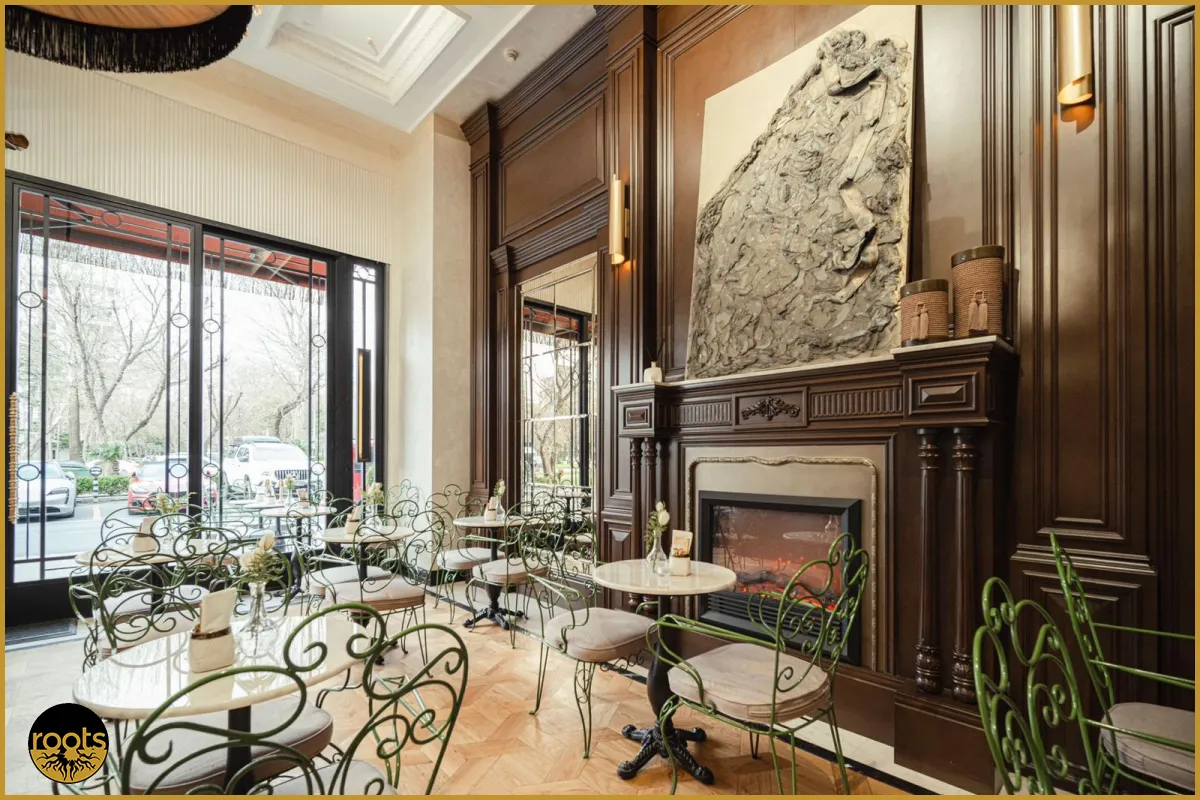
Architectural Cafe Projects: Design Approaches That Add Value to Your Space
A cafe project is much more than just creating seating areas and a service point. A successful architectural cafe project is a holistic design that directly affects the atmosphere of the space, the guest experience, brand identity and operational efficiency. In this comprehensive guide, we will address all the details you may encounter in the process of bringing your dream cafe space to life.
What Is an Architectural Cafe Project and Why Is It Important?
An architectural cafe project refers to the detailed planning and design process that meets the aesthetic, functional and technical requirements of a cafe space. This process covers every element, from the concept of the space to material selection, from lighting to furniture layout. A well-designed cafe project creates an inviting and comfortable environment for customers while also providing an efficient operational flow for business owners. It should not be forgotten that first impressions are very important and the interior of the cafe is the visual representation of your brand.
Who Is It Suitable For?
Architectural cafe projects are ideal for the following groups:
- Entrepreneurs planning to open a new cafe.
- Business owners who want to renovate their existing cafe space or strengthen their brand identity.
- Investors who want to place cafe concepts within a more professional and aesthetic framework.
- Anyone who wants to achieve originality and make a difference in space design.
- Those aiming to maximize customer satisfaction by increasing operational efficiency.
Which Needs Does It Meet?
A comprehensive architectural cafe project responds to numerous needs:
- Spatial Planning: The most efficient placement of functional areas such as seating areas, service point, kitchen, restrooms and storage.
- Aesthetic and Concept Development: Creating a visual identity and atmosphere suited to the target audience of the space.
- Customer Experience: Comfortable seating arrangements, appropriate lighting, acoustic arrangements and overall comfort.
- Operational Efficiency: Enabling staff to move comfortably, organizing the order flow and material management.
- Brand Image: Reflecting the values and identity of the brand through the interior design of the space.
- Legal Compliance: Compliance with fire safety, accessibility and health standards.
In Which Situations Should It Be Preferred?
Architectural cafe projects are especially important in the following situations:
- Opening a New Cafe: To minimize mistakes with professional planning from the very beginning.
- Space Renovation: To modernize an old and outdated space and increase customer appeal.
- Brand Identity Change: To create an atmosphere that reflects the values and new vision of the existing brand.
- In Areas with Intense Competition: To provide aesthetic and functional superiority in order to differentiate and stand out.
- Spatial Problems: To solve problems such as narrow areas, poor lighting or flow issues in the existing space.
Material Selection in Cafe Design: The Balance of Durability, Aesthetics and Cost
The materials used in cafe interiors directly affect the overall atmosphere, durability and ease of maintenance of the space. The advantages and disadvantages of different material types should be carefully evaluated in line with the budget and goals of your project. The following table compares some commonly used materials on the axis of durability, indoor or outdoor use and estimated cost:
| Material Type | Durability | Indoor / Outdoor Use | Estimated Cost (Low / Medium / High) | General Advantages | General Disadvantages |
|---|---|---|---|---|---|
| Wood (Solid) | Medium - High (varies by type) | Indoor (outdoor when properly treated) | Medium - High | Natural, warm, aesthetic, easy to work with. | May be sensitive to moisture and scratches, may require regular maintenance. |
| Wood Veneer / MDF / Laminate | Medium | Indoor | Low - Medium | Cost-effective, various color and pattern options, easy to clean. | Not as durable against scratches and impacts as solid wood. |
| Natural Stone (Marble, Granite, etc.) | High | Indoor and Outdoor | High | Very durable, luxurious and prestigious appearance, heat resistant. | Heavy, difficult to process, porous structure may stain (marble), high cost. |
| Ceramic / Porcelain Tile | High | Indoor and Outdoor | Low - Medium | Durable, resistant to water and stains, wide design range, easy to clean. | May crack on fragile surfaces, grout lines may require cleaning. |
| Concrete (Cast / Blocks) | Very High | Indoor and Outdoor | Medium | Industrial and modern appearance, durable, long-lasting. | May have insulation issues, hard surfaces may cause discomfort, requires professional application. |
| Metal (Stainless Steel, Iron, etc.) | High | Indoor and Outdoor | Medium - High | Modern and industrial appearance, durable, easy to clean. | May feel cold, some metals may oxidize or rust over time. |
| Glass | Medium (varies by area of use) | Indoor and Outdoor (safety glass) | Medium - High | Makes the space look bright and spacious, provides a modern and stylish appearance. | May be fragile, may leave fingerprints, should be cleaned regularly. |
| Textile (Fabrics, Leathers) | Medium (varies by use and quality) | Indoor | Low - High | Comfort, variety of colors and textures, a warm atmosphere. | May stain, may be subject to wear, requires regular cleaning. |
Things to Consider When Choosing an Architectural Cafe Project
Choosing an architectural cafe project is a critical decision that affects long-term success. The following steps and points to consider will help you manage this process more consciously:
- Concept Determination: Who is your target audience? What kind of atmosphere do you want to offer (modern, rustic, industrial, minimalist, etc.)? Your concept should guide all your design decisions.
- Physical Characteristics of the Space: Physical elements such as the size, shape, ceiling height, and window and door positions of the existing space determine the limits of the design.
- Budget Planning: A detailed budget should be created for design, construction, furniture, lighting, decoration and unexpected expenses.
- Functionality and Flow: A layout plan where customers and staff can move comfortably and service flow is efficient is important.
- Material Selection: Materials suitable for your concept should be selected, balancing durability, aesthetics, ease of maintenance and cost.
- Lighting Design: The right combination of general lighting, ambient lighting and task lighting greatly affects the atmosphere of the space.
- Furniture Selection: Comfortable, durable furniture that is in harmony with the overall aesthetics of the space should be preferred.
- Acoustic Arrangement: Acoustic solutions should be considered to prevent excessive noise and provide a comfortable conversation environment.
- Brand Integration: The cafe's logo, colors and overall brand identity should be integrated naturally into the design.
- Legal Permits and Standards: Legal regulations and standards required for construction, renovation and operating licenses (fire safety, accessibility, etc.) should be taken into account.
- Professional Support: Working with an architect or interior architect is critical to the success of the project.
Frequently Asked Questions (FAQ)
Depending on the scope, size and complexity of the project, architectural cafe projects can generally take between a few weeks and a few months. The design phase, approval processes, construction and decoration are the main components of this period.
Among today's popular cafe decoration styles, modern and minimalist designs, industrial (raw materials, combination of metal and wood), rustic (natural wood, stone and authentic touches), bohemian (colorful, lively and eclectic), vintage (influences from past eras) and Scandinavian (plain, functional and bright) stand out. The choice should be made according to your brand identity and target audience.
Kitchen and service areas are critical in terms of operational efficiency. Ergonomics, hygiene and safety should be prioritized in these areas. A logical flow should be provided for storing, preparing, cooking and serving products, and equipment placement should facilitate staff movement. Lighting and ventilation are also of vital importance in these areas.
Yes, an architectural project is also required for outdoor cafe areas. The planning of elements such as outdoor seating arrangement, furniture, lighting, planting, shading systems and signage should be in harmony with the overall concept of the space and should be both aesthetic and functional. The selection of materials resistant to weather conditions is also important.
Yes, it is possible to create a cost-effective cafe project. This can be achieved through careful budget planning, the right material selection (for example, more economical but aesthetic alternatives), smart space planning and avoiding unnecessary expenses. Working with a professional designer can help you use your budget more efficiently.











































































