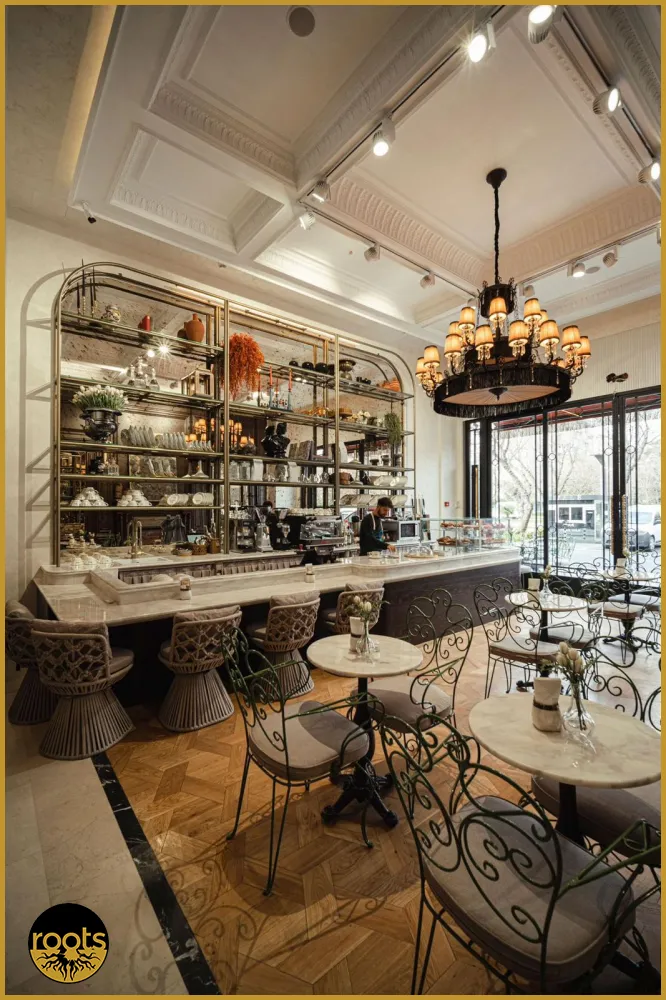
Architectural Cafe Projects: The Key to Design That Adds Value to Your Space
A cafe project is more than just a place where coffee and flavors are served; it is a living space where people socialize, work and have a pleasant time. For this reason, an architectural cafe project is the most important element that determines the identity, functionality and aesthetics of the space. A successful cafe design is shaped by the right concept selection, effective interior cafe project planning and solutions that meet the expectations of users.
What Is an Architectural Cafe Project and What Does It Do?
An architectural cafe project covers the entire design and planning process of a cafe space from start to finish. This process begins with determining the concept of the space and extends to the floor plan, facade designs, interior architectural cafe projects, material selections, lighting planning, furniture selection and decoration details. Its main purpose is to create a space that is both aesthetically attractive and operationally efficient.
- Functionality: Optimizes customer flow, makes service areas efficient and ensures that staff can work comfortably.
- Aesthetics: Appeals to the target audience by creating the identity and atmosphere of the space.
- Brand Identity: A design compatible with the cafe's concept increases brand awareness and loyalty.
- Customer Experience: A comfortable and inviting atmosphere encourages customers to stay longer in the space and visit again.
- Legal Compliance: Ensures compliance with legal requirements such as fire safety and accessibility standards.
Who Is It Suitable For?
An architectural cafe project appeals to a wide audience, from entrepreneurs considering opening a new cafe to cafe owners who want to renovate their existing spaces or strengthen their brand identity.
- Entrepreneurs Who Will Open a New Cafe
- Operators Who Want to Renovate Their Existing Cafe Space
- Those Who Want to Stand Out with a Different Concept
- Those Aiming to Increase Their Operational Efficiency
- Those Who Want to Reach a Wider Customer Base
Which Needs Does It Meet?
A comprehensive architectural cafe project meets many basic needs of a cafe business:
- Space Optimization: Using the existing space in the most efficient way.
- Concept Development: Creating a unique atmosphere in line with the brand identity.
- Customer Satisfaction: Improving the customer experience by offering a comfortable and pleasant environment.
- Operational Efficiency: Optimizing service flow, kitchen layout and staff working areas.
- Cost Control: Staying within budget through informed choices in materials and application processes.
- Marketing and Image: Gaining a competitive advantage by standing out with an attractive space design.
In Which Situations Should It Be Preferred?
Architectural cafe projects are of great importance, especially in the following situations:
- When Opening a New Cafe: To plan all the basic elements of the space correctly from the start.
- When You Want to Differentiate in a Competitive Market: To attract attention with a unique concept and design.
- When You Want to Increase the Performance of Your Space: To renew an old and inefficient layout.
- When You Want to Update or Strengthen Your Brand Image: To renew the aesthetics and atmosphere of the space.
- When You Want to Create a Space That Appeals to Wide Audiences: To design in a way that meets the needs of different customer groups.
Points to Consider in Interior Cafe Projects
An interior cafe project determines the spirit of the space. With the right planning and application, spaces that offer unforgettable experiences can be created.
Determining the Concept
The identity of your cafe forms the basis of the design. Who is your target audience, and what kind of atmosphere do you want to create? (Modern, rustic, industrial, vintage, etc.) The answers to these questions will guide all your design decisions.
Floor Plan and Space Flow
A floor plan that optimizes customer and staff movement is critical for the efficiency of the cafe. Entrance areas, seating arrangements, service points, and the location of the kitchen and restrooms must be carefully planned.
Material Selection
Material selection directly affects both the aesthetics and durability of the space. Materials that are resistant to intensive use, easy to clean and suitable for the concept should be preferred.
Comparison of Material Types
A comparison of different material types in terms of durability, area of use and cost is presented below:
| Material Type | Durability (Intensive Use) | Indoor Use | Outdoor Use | Cost (Average) |
|---|---|---|---|---|
| Wood (Solid) | Medium (May be prone to scratching) | High | Low (Possible with special treatments) | High |
| Natural Stone (Marble, Granite, etc.) | High | High | High | Very High |
| Ceramic / Porcelain Tile | High | High | High (Outdoor ceramics) | Medium |
| Concrete / Microcement | High | High | High | Medium - High |
| Metal (Stainless Steel, Iron, etc.) | High | High | High (Depending on coating) | Medium - High |
| Fabric and Leather (Upholstery) | Medium - High (Depending on use) | High | Low | Medium - High |
Lighting Design
Correct lighting determines the atmosphere of the space. Different lighting scenarios should be created for different areas (seating area, service area, bar, etc.).
Furniture and Seating Arrangement
Furniture should be selected that is both comfortable and does not disrupt the flow of the space. A variety of seating options (tables and chairs, armchairs, bar stools) can be offered to appeal to different customer groups.
Use of Colors and Textures
The color palette and textures reinforce the overall atmosphere of the space. Colors and textures that are compatible with the brand identity and appeal to the target audience should be used.
Acoustic Arrangement
Balancing sound in busy spaces is important for the customer experience. The use of sound insulation and absorbent materials can help in this regard.
Things to Consider Before Purchasing:
- Budget Planning: Plan design, material, application and decoration costs in detail.
- Professional Support: Getting support from an experienced architect or interior designer will increase the success of the project.
- Space Inspection: Analyze the physical characteristics of the potential space (infrastructure, light, ventilation, etc.) in detail.
- Legal Permits: Obtain information in advance about the necessary licenses and permits.
- Target Audience Analysis: Determine who your space will appeal to and shape your design decisions accordingly.
Frequently Asked Questions
The project duration may vary depending on factors such as the size and complexity of the cafe, the detail of the concept and the licensing processes. On average, the design and planning process can take 2 to 4 months, while the construction and application process can take 3 to 6 months depending on the condition of the space.
For cost optimization, first of all, a detailed budget planning should be made. Alternative material options can be researched, local suppliers can be worked with, and unnecessary details can be avoided. Renovating existing furniture or evaluating second-hand options can also reduce costs.
The concept selection should be made by considering your target audience, the products you offer and your brand values. For example, a more modern and colorful design may be suitable for a dynamic cafe appealing to young people; while a more minimalist design using natural materials may be suitable for a cafe focusing on coffee expertise. Working with professional designers can guide you in this process.
Exterior architecture creates the first impression of your cafe. The facade design, signage, entrance door and outdoor seating areas, if any, should reflect the concept of the venue and be in harmony with its surroundings. Weather-resistant materials should be chosen, and visuals that will strengthen the brand identity should be prioritized. In addition, visibility and accessibility are also important factors.
An architectural cafe project is a strategic step that directly affects the return on your investment. With the right planning, professional support and attention to detail, you can turn the cafe venue of your dreams into reality.











































































