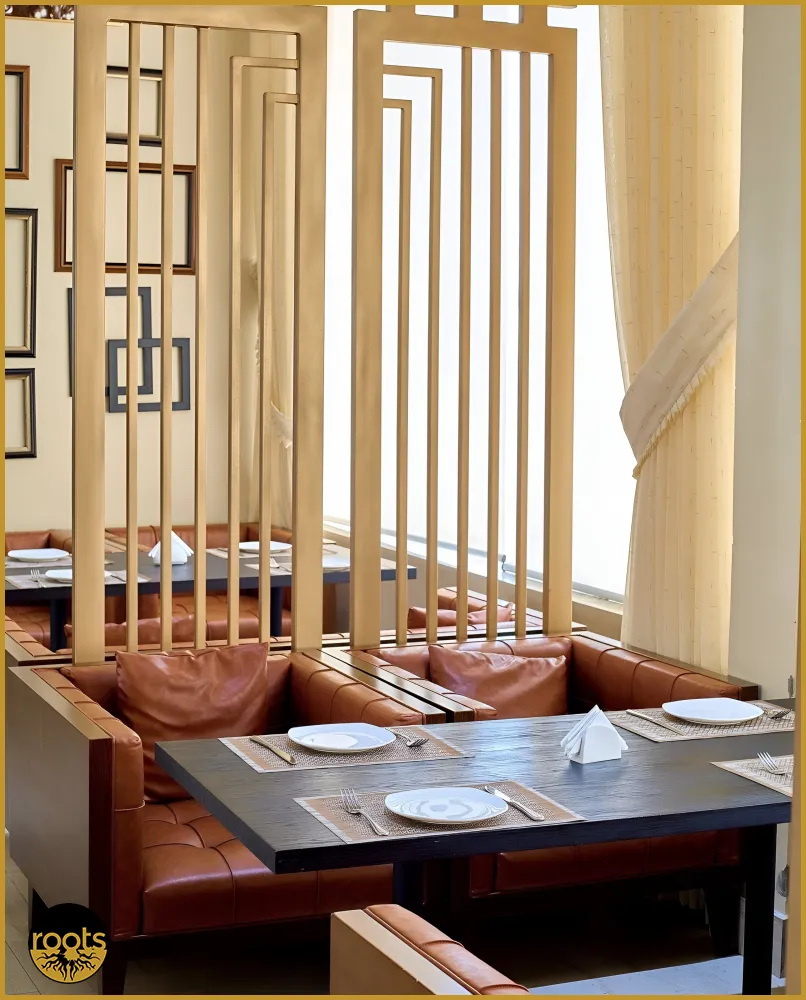
CAFE INTERIOR DESIGNS: Where Functionality Meets Aesthetics
The success of a cafe is directly related not only to the menu it offers but also to the atmosphere it makes its guests feel. Cafe interior designs are the strongest visual communication tool reflecting the identity of a business. A correctly planned space ensures that the customer feels comfortable from the moment they walk in, spends more time in the space, and feels the desire to visit the business again.
A modern cafe design is a multi-layered process, from the layout plan to lighting, from material selection to acoustic solutions. This process is not only a decoration activity but also an engineering effort that increases operational efficiency. The right design should optimize service speed while also responding to the customer's need for personal space.
Why Is Cafe Design Important and Who Is It Suitable For?
Interior design is critical for entrepreneurs planning to open a new business as well as for business owners who want to renovate their existing space. It offers customized solutions for boutique coffee shops that want to establish brand positioning, restaurant-cafes that appeal to large audiences, or work-focused "co-working" concept spaces.
- Creating Brand Identity: Makes the spirit of your business (modern, retro, industrial or minimalist) felt by the customer at first glance.
- Customer Flow Management: Prevents chaos by organizing the traffic between the entrance, order point and seating areas.
- Comfort and Experience: Maximizes customer satisfaction with ergonomic furniture and correct light angles.
- Marketing Power: "Instagrammable" corners and unique details allow you to advertise for free in the digital world.
Material Selection and Durability Analysis
When selecting materials for cafe interiors, durability and ease of maintenance should be considered as much as aesthetics. In areas with heavy foot traffic, floor and furniture surfaces may wear over time. The following table presents a comparison of frequently preferred materials from different perspectives:
| Material Type | Area of Use | Durability | Cost | Maintenance Need |
|---|---|---|---|---|
| Natural Wood (Solid) | Table tops, wall panels | Medium - High | High | Requires periodic maintenance |
| Industrial Metal | Chair frames, lighting | Very High | Medium | Low |
| Marble / Granite | Bar counter, service counter | High | Very High | May stain, requires care |
| Composite / Laminate | Quick-service tables | Medium | Low | Very Low |
| Microcement | Floor and wall cladding | High | Medium - High | Low |
Key Elements to Consider Before Purchasing
Before purchasing an interior architecture service or a ready-made design concept, you need to clarify the needs of your business. Incorrect planning can increase operational costs in the long run. You can use the following items as a guide in the decision-making process:
- Target Audience Analysis: Are your customers students, white-collar workers or families? Each group has different expectations for comfort and design.
- Lighting Strategy: Maximizing daylight and choosing warm-white lighting for the evening hours add depth to the space.
- Acoustic Arrangement: The noise of coffee machines or the hum of the crowd should be kept under control with sound insulation panels so as not to disturb customers.
- Kitchen and Bar Ergonomics: Counter heights and equipment placement must comply with technical standards so that staff can move quickly.
- Ventilation Capacity: Preventing food odors from spreading into the seating area and fresh air circulation are the most important hidden factors affecting customer dwell time.
Frequently Asked Questions (FAQ)
Question: Which design style is more suitable for a small cafe space?
Answer: In small spaces, Minimalist or Scandinavian style is generally recommended. Light color palettes, slim-legged furniture and large mirrors make the space look more spacious and larger than it is.
Question: What can be done to reduce costs in cafe decoration?
Answer: Without compromising on quality in basic building materials (electrical, plumbing); the budget can be balanced with industrial pallets, open ceiling systems (painted pipes) and furniture sourced from local manufacturers for decorative elements.
Question: How long does a design project take on average to complete?
Answer: Although it varies depending on the size of the space and the scope of the intervention; concept design takes 1-2 weeks, while the implementation process can vary between 4 and 8 weeks.
In conclusion, cafe interior designs are not just the "shell" of a business, but its soul. Correctly selected materials, a cleverly planned layout and brand-specific touches are the most fundamental investment that brings commercial success. Before investing, examining different concepts and determining the materials most suitable for your business model is the first step toward sustainable success.











































































