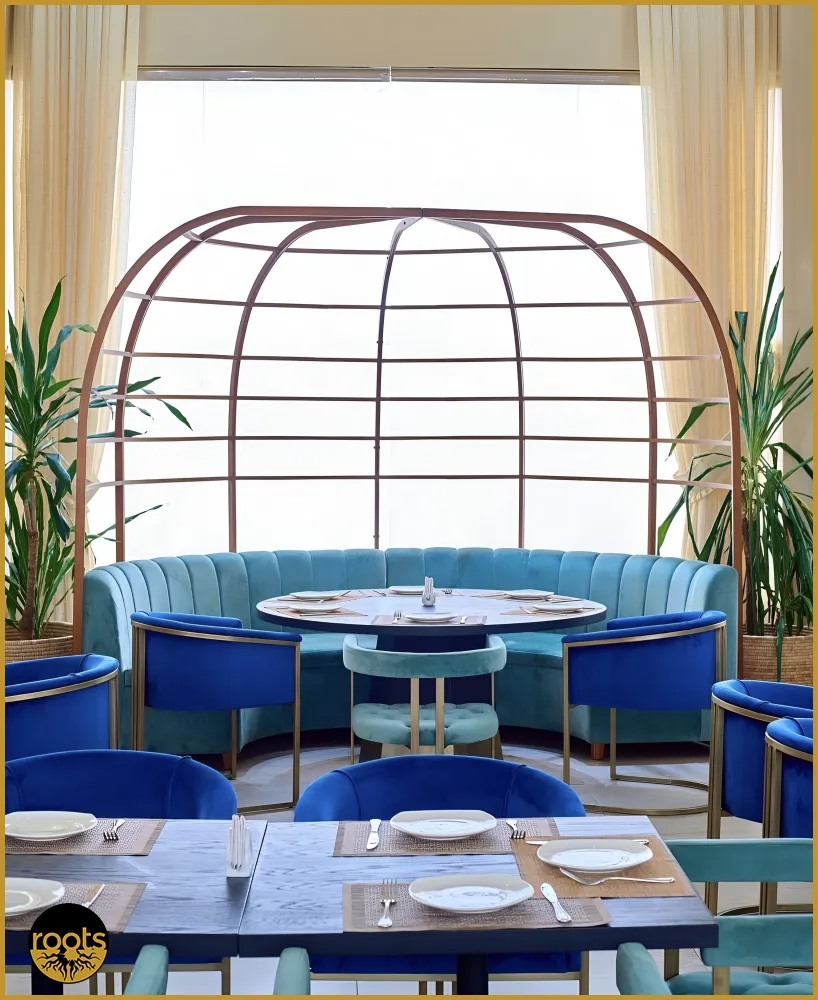
CAFE INTERIOR DESIGNS: A Comprehensive Guide
A cafe is more than just a place that serves coffee or food; it is a living space where people socialize, work, relax and have a pleasant time. For this reason, CAFE INTERIOR DESIGNS are one of the most critical elements that determine the spirit of the venue and its impact on visitors. A successful cafe design must be both aesthetically satisfying and fully meet functional requirements.
What Is Cafe Interior Design and Why Is It Important?
Cafe interior design is the process of planning and implementing all the elements in a cafe (seating arrangement, lighting, color palette, material selection, decorative objects, planting, etc.) as a whole. This process creates the atmosphere of the venue, reflects the brand identity and directly affects the customer experience. A well-thought-out design:
- Increases customer satisfaction.
- Positively affects visitor traffic and dwell time.
- Ensures the venue is noticed and remembered.
- Supports staff efficiency and working comfort.
- Raises brand value.
Who Is It Suitable For?
Cafe interior design is suitable for entrepreneurs who want to open a new cafe, operators who want to renew the concept of their existing cafe, and anyone who aims to offer a better customer experience. This can be addressed across a wide spectrum, from a small neighborhood coffee shop to a large chain cafe concept.
What Needs Does It Meet?
Effective cafe interior design meets the following basic needs:
- Aesthetic Expectations: It offers a striking and pleasant atmosphere.
- Comfort and Ergonomics: It provides a layout where customers can sit comfortably, move around and enjoy the venue.
- Functionality: It optimizes operational needs such as service areas, kitchen access and restrooms.
- Brand Identity and Storytelling: It creates a visual language that reflects the cafe's concept, values and target audience.
- Technological Integration: It responds to today's needs such as charging points and Wi-Fi access.
In What Situations Should It Be Preferred?
Cafe interior design is of great importance in the following situations:
- Opening a New Cafe: It is fundamental for the venue's first impression and long-term success.
- Reconceptualizing an Existing Cafe: Revitalizing venues that have aged or failed to reach their goals.
- Brand Update: Creating a new visual identity suited to the corporate identity and target audience.
- Standing Out in Competition: Offering a unique experience by standing out from similar venues.
- Improving the Customer Experience: Maximizing customer satisfaction by enhancing the atmosphere and functionality of the venue.
Key Elements in Cafe Interior Design
1. Determining the Concept
The first step of the design process is to determine a concept that will make the cafe unique. This concept is based on the target audience, the products offered and the message the venue wants to convey. Example concepts include:
- Industrial Design: Raw materials, metal details, plenty of light.
- Minimalist Design: Simple lines, neutral colors, minimal but essential decoration.
- Bohemian Style: Eclectic furniture, plenty of plants, warm colors.
- Rustic / Country Style: Wooden details, natural stones, a cozy atmosphere.
- Modern Style: Clean lines, geometric forms, technological touches.
- Vintage / Retro Style: Furniture and accessories that carry traces of the past.
The chosen concept should guide all design decisions.
2. Color Palette and Lighting
Colors directly affect the mood of the venue. While warm colors (red, orange) give energy, cool colors (blue, green) create a calming effect. Neutral colors (beige, gray) offer a more timeless and flexible base. Lighting, on the other hand, is one of the most powerful ways to create the ambiance of the venue. The balanced use of different light sources (general lighting, task lighting, accent lighting) meets both the aesthetic and functional requirements of the venue. Making maximum use of daylight is also important.
3. Seating Arrangement and Functionality
Seating arrangement is critical for customer comfort and the efficiency of the venue. A variety of seating areas should be offered to appeal to different customer groups:
- Comfortable armchairs and sofas (for socializing).
- Bar stools for short breaks.
- Tables and seating areas close to power outlets for those who want to work or study.
- Corners set aside for more private conversations.
Details such as the height of tables and chairs, the distance between them and the width of circulation areas affect both comfort and staff movement.
4. Material Selection
The materials used in cafe interior designs determine the durability, aesthetics and ease of maintenance of the venue. Durability is a priority for floors, tables and chairs that are subject to intensive use. Aesthetically, the texture and color of the material and its compatibility with the concept are important.
| Material Type | Durability | Interior/Exterior Architectural Use | Cost (Overall Assessment) |
|---|---|---|---|
| Wood | Medium-High (Varies by type, requires protection) | Mainly Interior (Exterior with special treatments) | Medium-High |
| Metal (Iron, Steel, Aluminum) | High | Interior and Exterior | Medium-High |
| Concrete | Very High | Interior and Exterior | Low-Medium |
| Natural Stone (Marble, Granite, etc.) | Very High | Interior and Exterior | High-Very High |
| Ceramic / Porcelain | High | Mainly Interior (Exterior ceramics available) | Low-Medium |
| Glass | Medium (Degree of fragility varies) | Interior and Exterior (Safety glass preferred) | Medium |
| Textile (Fabrics, Leather) | Medium (Varies by quality, stain resistance is important) | Mainly Interior | Medium-High |
5. Decoration and Accessories
These are the elements that complete the personality and story of the space. Plants, paintings, mirrors, special lighting fixtures, decorative objects, wallpapers or special wall paints enrich the atmosphere of the space. However, it is important to avoid exaggeration and maintain harmony with the concept.
Aspects That Differentiate from Alternatives
A successful cafe interior design stands out from its competitors in the following ways:
- Original Concept: Offers a memorable theme, far from being imitative.
- Customer Focus: Prioritizes the needs and comfort of visitors.
- Functional Flow: Provides a practical and efficient layout for both customers and staff.
- Quality Materials and Workmanship: Ensures the space is long-lasting and preserves its aesthetic value.
- Attention to Detail: Creates big differences with small touches.
- Comprehensive Brand Integration: The design consistently reflects the brand's identity and values.
Things to Consider Before Purchasing
Important points to consider before starting a cafe interior design project or purchasing this service are as follows:
- Defining the Target Audience: Clarify who you want to appeal to.
- Determining the Budget: Creating a realistic budget shapes design decisions.
- Structural Features of the Space: Analyze the existing area, light intake, ventilation and access points.
- Legal Regulations and Permits: Research the legal processes required for the renovations to be made.
- Getting Professional Help: Getting support from interior architecture or design offices makes the process more efficient.
- Material Quality and Ease of Maintenance: Make choices that will reduce costs in the long term and make the space look good.
- Flexibility: Adopt a design approach that allows for possible future changes or additions.
- Workspace Ergonomics: Consider a layout where staff can work comfortably and service flow is smooth.
Frequently Asked Questions
Remember that a successful cafe interior design not only offers a visual feast, but also creates an unforgettable experience for your visitors. This guide aims to guide you in your decision-making process.











































































