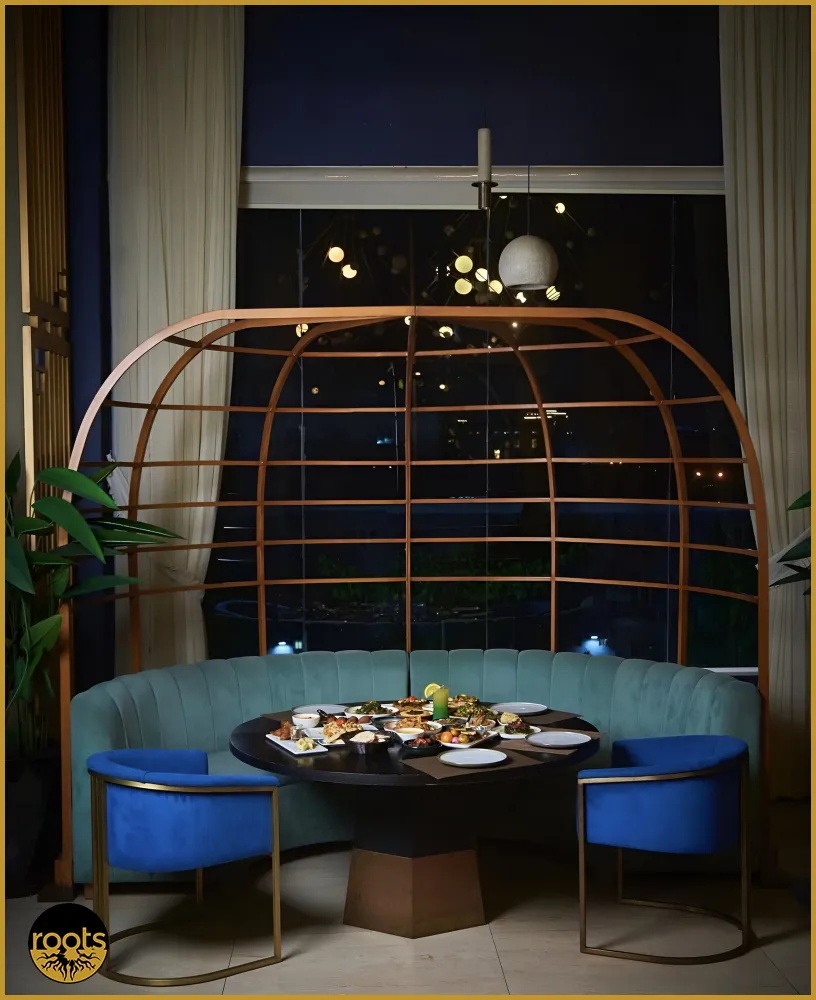
Cafe Interior Designs That Shape Customer Experience
The first element that greets the customer when stepping into a cafe is the interior design that reflects the soul of the space. A professional design not only offers an aesthetic appearance; it also increases the operational efficiency of the business, manages customer circulation and embodies the brand identity. Cafe interior designs are a strategic process that incorporates many disciplines, from furniture selection to lighting, from color palette to acoustic arrangement.
Why Is Cafe Design of Critical Importance?
In the modern competitive environment, running a cafe is not just about offering quality coffee or food. Customers now prefer "experience-oriented" spaces where they feel good, can work, socialize or rest. A correctly constructed interior design provides the following:
- Brand Loyalty: A unique concept takes a place in the customer's memory and creates a desire to visit the space again.
- Space Efficiency: Using the square meter in the most correct way optimizes both comfort and seating capacity.
- Staff Efficiency: The ergonomic flow between the kitchen and service areas directly affects service speed.
- Acoustics and Comfort: Noise control and the right furniture selection determine customer satisfaction during long sittings.
For Which Businesses Is It Suitable?
Professional interior design services appeal to a wide range, from boutique cafes to be opened to chain brands, from traditional patisseries to modern "third wave" coffee shops. Design support is of vital importance especially in the following situations:
- Moments when the existing business needs renovation.
- Concepts that appeal to a niche target audience (for example, only employees or students).
- Making spaces with narrow and difficult architectural structures functional.
Material Selection and Comparison
The materials used in the design determine both the lifespan of the space and its maintenance costs. You can examine the features of common materials preferred in interior and exterior architecture in the table below:
| Material Type | Durability Level | Area of Use | Cost Axis |
|---|---|---|---|
| Natural Wood (Solid) | Medium - High (Requires maintenance) | Floor, Table, Panel | High |
| Industrial Metal | Very High | Shelf, Frame, Ceiling | Medium |
| Marble & Natural Stone | High (Stain sensitivity) | Countertop, Wall Cladding | High |
| Compact Laminate | Very High | Table Tops | Economical / Medium |
| Ceramic and Tile | High | Floor, Wet Area | Variable |
Things to Consider Before Purchasing and Implementation
Before starting a design project or purchasing decoration products, you should consider the following criteria:
- Target Audience Analysis: Will your customers do a quick take-away or sit for hours? Furniture firmness and comfort should be determined accordingly.
- Lighting Strategy: Natural light use during the day, and in the evening an ambient lighting (focal lighting) that adds warmth and depth should be preferred.
- Ventilation and Air Conditioning: As much as the aesthetics of the design, the cleanliness of the air and the balance of the temperature of the space also affect customer retention.
- Sustainability: Choosing materials that are easy to clean, stain-resistant and wear-resistant reduces costs in the long term.
- Kitchen and Service Axis: The route of the waiters and the customer traffic should never intersect.
Frequently Asked Questions
1. How can a small cafe area be made to look larger?
Light color palettes, strategic use of mirrors, vertical storage solutions and minimal furniture designs make small spaces feel more spacious.
2. Should industrial design or modern design be preferred?
This decision is entirely related to your brand identity. While industrial design offers a more masculine and dynamic atmosphere with brick, metal and concrete textures; modern design creates a serene atmosphere with clean lines and soft textures.
3. What is the most common mistake in cafe lighting?
The biggest mistake is using uniform and very bright white light. Accent lighting and yellow/warm tones create a focal point on the tables and increase intimacy.
4. Is the use of acoustic panels necessary?
If the ceiling is high and the floor is a hard material (concrete, ceramic, etc.), sound will echo. In order for customers to hear each other comfortably, textile products or decorative acoustic panels must definitely be considered.
In conclusion, cafe interior designs are the heart of a space. A design in which functionality and aesthetics are correctly balanced allows you to create not just a "space" but a living "organization". Adopting professional approaches that prioritize technical details, material quality and user ergonomics before investing is the most critical step for the success of your business.











































































