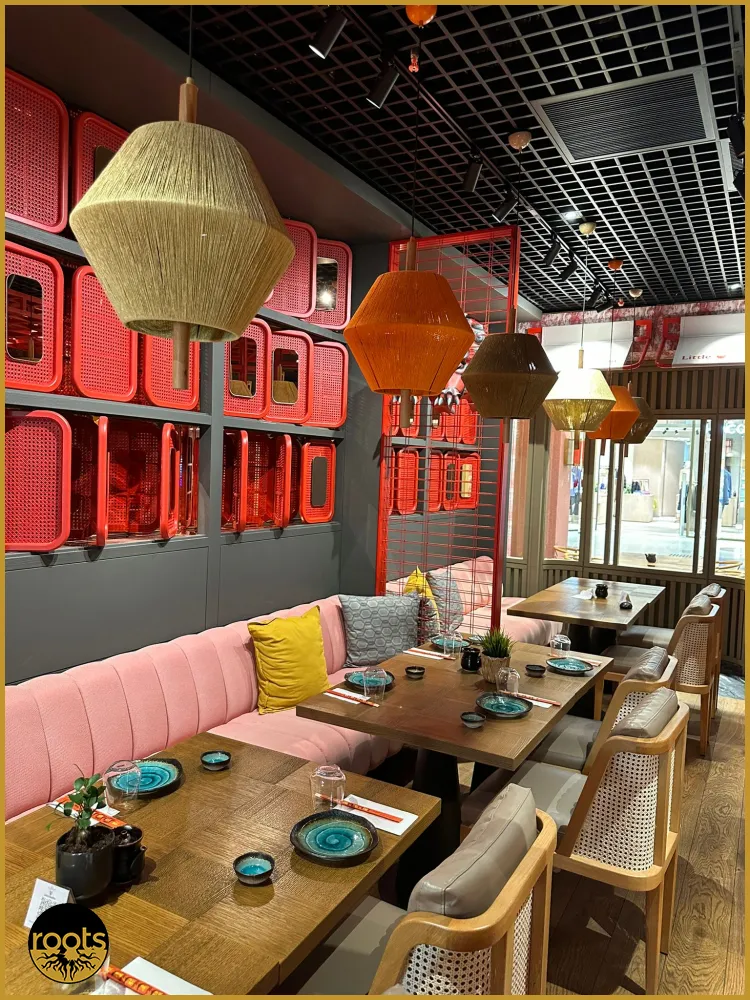
Architectural Cafe Projects: A Comprehensive Overview
The foundation of establishing a successful cafe business is an aesthetic and functional architectural design that meets the expectations of users.
What Is a Cafe Project and Why Is It Important?
A cafe project is a whole encompassing all architectural, interior architectural and engineering work required in the process of opening a new cafe or renovating an existing cafe. This project includes many details, from the concept of the space to the user experience, from operational efficiency to legal requirements. A successful cafe project not only offers an aesthetic appearance but also creates a space that appeals to the target audience, reflects the brand identity and supports profitability in the long term.
The importance of cafe projects is vital for making a difference in the highly competitive food and beverage sector. A well-designed cafe increases customers' desire to visit again, is shared on social media and thus creates a natural marketing effect. Correct architectural planning maximizes space efficiency; the smart placement of the kitchen, service areas, seating arrangements and restrooms both facilitates the workflow of employees and increases customer satisfaction.
What Does an Architectural Cafe Project Cover?
A detailed architectural cafe project generally includes the following main elements:
- Concept Development: Determining the target audience, the type of service the business will offer (for example, coffee bar, boutique cafe, thematic cafe) and defining the overall atmosphere.
- Architectural Design and Preliminary Project: Creating the floor plans, facade views, sections and general layout plans of the space. At this stage, the physical boundaries and potential of the space are evaluated.
- Interior Architectural Design: Determining seating arrangements, color palettes, lighting solutions, furniture selection, material use and decorative elements. The aim here is to ensure the aesthetic and functional integrity of the space.
- Mechanical, Electrical and Plumbing (MEP) Projects: Preparing the technical details of ventilation, heating, cooling, electrical installation, lighting system and water/wastewater installation.
- Structural Projects: Designing structural elements (columns, beams, slabs, etc.) and ensuring compliance with safety standards.
- Detail Projects: Preparing the manufacturing details of elements such as custom-designed furniture, bar counters and lighting fixtures.
- Permit and Licensing Processes: Preparing and following up documents such as building permits and renovation permits that must be obtained from municipalities and relevant institutions.
- Implementation and Site Management: Managing the process of realizing the design on site, coordination with contractor companies and quality control.
Who Is It Suitable For?
Architectural cafe projects are ideal for the following groups:
- Entrepreneurs planning to open a new cafe business.
- Operators who want to modernize or renovate an existing cafe space.
- Cafe owners who want to strengthen their brand identity and improve the customer experience.
- Providing guidance to investors during the feasibility and design phase.
- Those who want to create original spaces with different concepts (for example, book cafe, art gallery cafe, vegan cafe).
What Needs Does It Meet?
A quality architectural cafe project meets a number of basic needs:
- Functionality and Ergonomics: It creates an arrangement where customers can sit comfortably and spend time, while staff can work efficiently.
- Aesthetics and Atmosphere: It enriches the customer experience by increasing the visual appeal of the space and strengthens brand perception.
- Customer Experience: Lighting, seating arrangement, acoustics and the overall atmosphere ensure that customers feel good in the space.
- Reflecting Brand Identity: Through design elements, it concretizes the brand's values, story and the message it wants to convey to its target audience.
- Legal Compliance: It ensures the design of a space in accordance with legal requirements such as fire safety, accessibility standards and hygiene regulations.
- Operational Efficiency: It helps reduce costs by optimizing operational processes such as kitchen layout, service routes and stock areas.
In Which Situations Should It Be Preferred?
An architectural cafe project should especially be preferred in the following situations:
- Opening a Cafe from Scratch: To lay a solid foundation for a new investment and minimize potential risks.
- Renovation of an Existing Venue: To bring an old and outdated venue in line with contemporary needs and current trends.
- Concept Change: When the business needs to change its concept or target audience.
- Gaining a Competitive Advantage: When you want to differentiate from competitors and create an eye-catching venue.
- Legal Permit Processes: When structural changes or new license applications are involved, project design is mandatory.
What Sets It Apart from the Alternatives?
Unlike arranging a cafe on your own or in an amateur way, a professional architectural cafe project offers the following key differences:
- Expertise and Experience: Architects and interior architects have expertise in space design, material knowledge, user psychology and legal regulations.
- Holistic Approach: Instead of focusing only on decoration, it addresses all functional, aesthetic and technical aspects of the venue as a whole.
- Cost and Time Optimization: By preventing potential mistakes, it prevents unnecessary expenses and loss of time.
- Technical Detailing: With technical projects such as mechanical, electrical and structural, it guarantees the durability, safety and efficiency of the structure.
- Brand Integration: By integrating brand identity into the design, it creates a consistent corporate image.
Points to Consider in Material Selection
In cafe projects, material selection is of great importance both aesthetically and functionally. A comparison of different materials in terms of durability, area of use and cost is presented in the table below:
| Material Type | Durability | Interior Architectural Use | Exterior Architectural Use | Average Cost (Indicative) |
|---|---|---|---|---|
| Wood | Medium - High (May require maintenance) | Flooring, wall cladding, furniture, ceiling | Certain types and with protections (Deck, Pergola) | Medium - High |
| Natural Stone (Marble, Granite) | High | Flooring, countertop, wall cladding, decorative elements | Facade cladding, floor paving | High |
| Concrete/Raw Concrete | Very High | Flooring, wall cladding, countertop, furniture | Facade cladding, structural elements | Low - Medium |
| Ceramic / Porcelain Tile | High | Flooring, wall cladding (kitchen, bathroom), backsplash | Flooring, wall cladding (preferably non-slip surfaces) | Low - Medium |
| Metal (Stainless Steel, Iron) | Very High | Furniture frame, lighting fixtures, bar counter, decorative details | Facade details, entrance doors, railings | Medium - High |
| Glass | Medium (Risk of fragility) | Table tops, display cases, lighting, dividers | Facade cladding, display windows | Medium |
| Fabric / Upholstery | Medium (Depends on use and maintenance) | Armchair, chair upholstery, curtains | Outdoor fabrics (UV protected) | Low - Medium |
Costs may vary depending on material quality, brand and application details.
What Should Be Considered Before Purchasing and Project Design?
Paying attention to the following points before starting to work with a cafe project or making an investment ensures that the process goes more smoothly and successfully:
- Target Audience Analysis: Clearly determine whom you want to serve. This will form the foundation of the design and concept.
- Location Assessment: The venue's location, visibility, accessibility, environmental factors and potential customer traffic should be taken into account.
- Budget Determination: Create a realistic budget. Conduct a detailed cost analysis covering project design, construction, decoration, equipment and operating expenses.
- Business Concept: Decide what kind of experience the cafe will offer. Is it a coffee shop, a patisserie, or a brunch venue?
- Architectural Team Selection: Work with an architectural team that has strong references, previous projects that match your expectations, and high communication skills.
- Legal Permits and Licenses: Research the zoning status, required permits and licensing processes in your area in advance.
- Flexibility and Future Plans: Consider how adaptable the venue can be to future changes or growth.
Frequently Asked Questions
The design duration of a cafe project varies depending on the size of the venue, the complexity of the project and the speed of your feedback. Generally, the concept development and preliminary project phase can take a few weeks, while detailed projects and implementation drawings can take a few months. The construction period may be longer depending on the scope of the project.
Absolutely yes. Redesigning a physically functioning venue can often be more cost-effective than building from scratch. A professional architectural team can use the existing structural elements to bring the venue in line with current trends, increase operational efficiency and elevate your brand value.
Energy efficiency is of great importance in terms of both environmental responsibility and operational costs. A good cafe project aims to minimize energy consumption with the right lighting solutions (such as the use of LED), insulation materials, and efficient heating and cooling systems.
The main factors affecting the cost of a cafe project are as follows:
- The size and current condition of the venue.
- The quality and brand of the selected materials.
- The complexity of the design and the number of custom-made furniture pieces.
- The scope of mechanical, electrical and plumbing systems.
- The city and labor costs.
- The desired finish level and decorative details.











































































