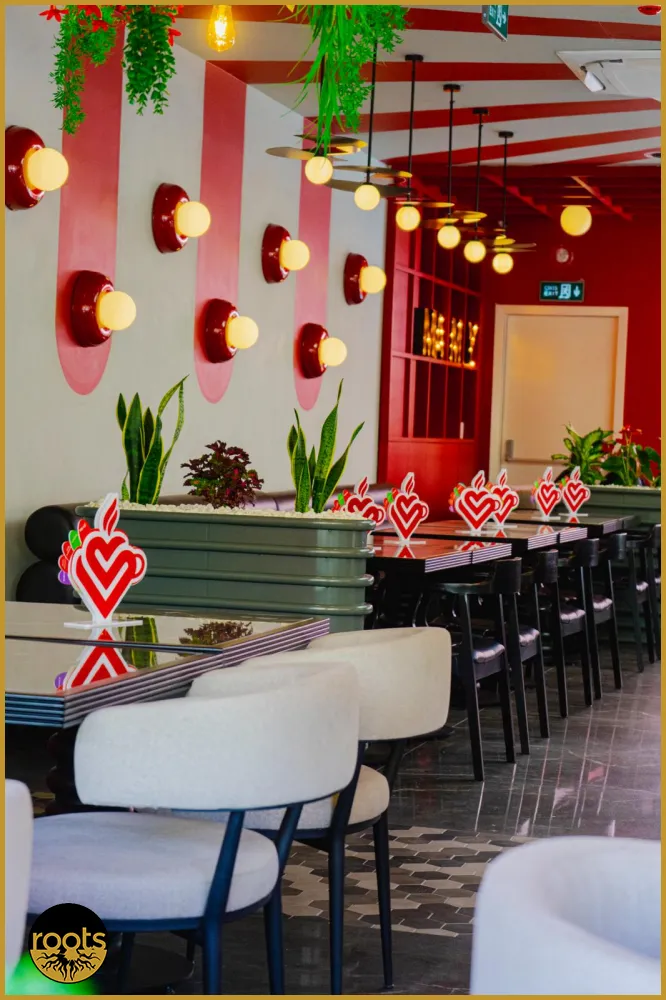
Cafe Restaurant Interior Projects: From Concept to Life
The success of a cafe or restaurant is directly related not only to the flavors it offers but also to the ambiance and atmosphere it creates. Customers prefer venues not only to eat or drink coffee but also to have a pleasant time, socialize or work. At this point, cafe restaurant interior projects play a critical role in defining the identity of the venue, enriching the customer experience and strengthening the brand image.
Why Is a Professional Interior Project Necessary?
A professional cafe interior design or restaurant interior project is the key to transforming an ordinary venue into an unforgettable experience space. A well-designed interior;
- Attracts your customers and encourages them to stay longer in your venue.
- Reflects your brand identity and appeals to your target audience.
- Helps you build a loyal audience by increasing customer satisfaction.
- Provides a more efficient and comfortable working environment for your employees.
- Offers a better return on investment by maximizing the potential of the venue.
Who Is It Suitable For?
Such projects appeal to a wide range, from new businesses in the start-up phase to those who want to renovate their existing venues:
- Entrepreneurs Opening a New Cafe: To create the right first impression of the venue where they will bring their concepts to life.
- Restaurant Owners: Those who want to improve the atmosphere of their existing venues, modernize them or adopt a new concept.
- Chain Cafe and Restaurant Brands: Those who want to ensure brand consistency and offer the same quality experience across different branches.
- Those Who Want to Create a Concept Venue: Operators aiming to offer a unique atmosphere built on a specific theme or story.
What Do Interior Projects Cover?
A comprehensive cafe and restaurant interior project includes the planning and implementation process of every detail of your venue:
Concept Development and Planning
The foundation of every project is a concept that defines the spirit and identity of the venue. At this stage;
- Target audience analysis
- Brand identity and values
- Purpose of use of the venue (fast service, long sittings, workspace, etc.)
- The atmosphere to be created (cozy, modern, luxurious, rustic, etc.)
- Space planning (seating arrangement, service areas, kitchen layout)
a detailed study is carried out considering elements such as these. Spatial optimization increases both customer comfort and operational efficiency.
Design and Aesthetics
In line with the concept, the visual identity of the venue is created. This includes;
- Color palette selection
- Furniture selection and placement
- Lighting design
- Determination of floor and wall covering materials
- Decorative objects and accessories
- Planting and green area integration
elements such as these. A cafe decoration or restaurant decoration should be done considering not only aesthetics but also functionality.
Technical Details and Implementation
Following the design phase, technical details are addressed to bring the project to life:
- Electrical and lighting installation planning
- Ventilation and air conditioning systems
- Water installation and drain connections
- Acoustic arrangements
- Sound systems
- Obtaining necessary permits and compliance with regulations
Material Selection: Durability, Aesthetics and Cost
Choosing the right materials is of vital importance for the venue to be long-lasting and functional. A table comparing popular material types for different venues and needs:
| Material Type | Durability | Interior/Exterior Architectural Compatibility | Cost (Overall Assessment) | Example Areas of Use |
|---|---|---|---|---|
| Wood (Natural, Lacquered, MDF) | Medium - High (depending on treatment) | Outdoor use depends on treatment. Wide range of use indoors. | Medium - High | Tabletops, chair frames, wall panels, bar fronts. |
| Metal (Stainless Steel, Iron, Aluminum) | High | Suitable for both indoor and outdoor use. | Medium - High | Table legs, chair frames, lighting fixtures, shelving systems, exterior facade details. |
| Concrete and Reinforced Concrete | Very High | Can be used both indoors and outdoors. | Low - Medium | Floor coverings, wall surfaces (especially in industrial/modern concepts), counters. |
| Natural Stone (Marble, Granite, Travertine) | High | Outdoor use is more limited (depending on frost and staining). | High | Floor and wall coverings, bar counters, tabletops. |
| Ceramic and Porcelain | High | High resistance to moisture and water; suitable varieties are available for indoor and outdoor use. | Low - Medium | Floor and wall coverings (especially kitchen and restroom areas), tabletops. |
| Glass (Tempered, Frosted, etc.) | Medium (depending on fragility) | More common indoors; used outdoors with safety precautions. | Medium | Tabletops, dividers, lighting elements, decorative panels. |
| Fabric and Leather (Upholstery Materials) | Low - Medium (depending on wear and staining) | Suitable for indoor use only. | Medium - High | Chair and sofa upholstery, cushions, curtains. |
What Sets It Apart from Alternatives
Having a cafe interior project or restaurant interior project done differs from doing it yourself or using standard solutions in the following ways:
- Originality and Brand Identity: While ready-made designs or ordinary applications do not sufficiently reflect your venue's identity, custom projects tell your brand's story.
- Maximum Functionality: Professionals know how to use even narrow spaces in the most efficient way. Customer flow, service speed and staff movement are optimized.
- Sustainability and Durability: With the right material selection and application techniques, your venue's lifespan is extended and maintenance costs are reduced.
- Cost Control: Although it may seem like an investment at the beginning, in the long run it prevents additional costs and loss of time caused by wrong choices.
- Legal Compliance and Safety: Getting professional support on issues such as building regulations, fire safety and accessibility eliminates risks.
In Which Cases Should It Be Preferred?
Cafe and restaurant interior design absolutely requires a professional approach in the following cases:
- When you want to completely change the atmosphere of your existing venue.
- When you want to maintain your brand standards while opening a new branch.
- When you aim to offer your customers a unique and memorable experience.
- When you want to host more customers by increasing spatial efficiency or improve operational flow.
- When you want to use your time and resources in the most accurate way during the design and implementation process.
Things to Consider Before Purchasing
Before investing in a cafe or restaurant interior project, it is important to pay attention to the following points:
- Designer's Portfolio: Review the designer's previous cafe projects and restaurant projects. Do they match your style?
- References: Get references from their previous clients. Learn about the collaboration process and results.
- Detailed Proposal: Get a contract and proposal that clearly specifies the project scope, delivery dates, amounts to be paid and payment terms.
- Communication and Understanding: How well the designer understands your concept and expectations is very important. Make sure you can establish open and transparent communication.
- Budget Planning: Create a realistic budget covering all cost items such as design, furniture, decoration, construction and licensing.
- Contract Details: Matters such as the stages of the design process, revision rights and implementation supervision must be clearly stated in the contract.
Frequently Asked Questions
Conclusion: Get the Return on Your Investment
A cafe restaurant interior project is the face and soul of your business. It should be planned not only with aesthetic concerns, but also by aiming for functionality, customer experience and long-term success. The right investment helps your space become a favorite not only of today but also of the future.











































































