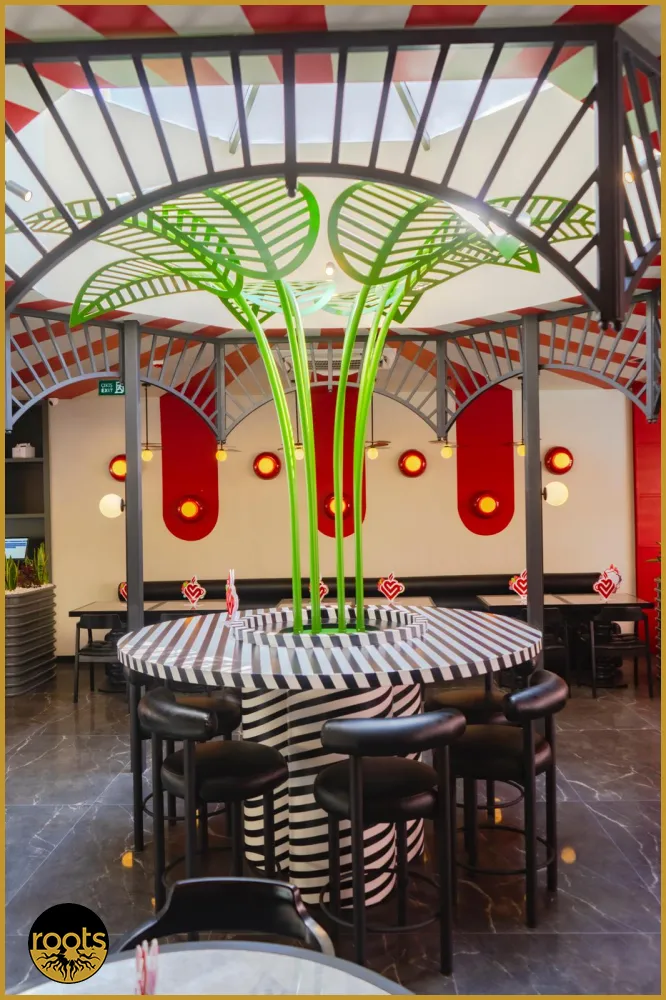
CAFE RESTAURANT INTERIOR PROJECTS: Transform Your Space
Everything you want to know about cafe and restaurant interior projects that reflect the spirit of your business, enrich the customer experience and strengthen your brand identity.
What Are CAFE RESTAURANT INTERIOR PROJECTS?
CAFE RESTAURANT INTERIOR PROJECTS are comprehensive works covering the aesthetic, functional and user-oriented design of a food and beverage venue. These projects are carried out by architects, interior architects and designers to determine the atmosphere of the space, increase customer satisfaction, ensure operational efficiency and contribute to the overall success of the business.
Beyond simple decoration, interior projects plan and implement every detail, from the layout of the space to its lighting, from furniture selection to the color palette, from material use to acoustic arrangements.
What Do CAFE RESTAURANT INTERIOR PROJECTS Do?
An effective interior project positively affects many different aspects of your business:
- Improves the Customer Experience: A comfortable, inviting and aesthetic environment encourages customers to spend more time, visit again and leave positive feedback.
- Strengthens Brand Identity: Design visually expresses your business's concept, values and target audience, creating a memorable brand image.
- Increases Operational Efficiency: A well-planned kitchen area, service routes and seating layout allow your staff to work faster and more effectively.
- Maximizes the Potential of the Space: By making the best use of the existing area, you can host more customers or create different experience zones.
- Ensures Compliance with Legal Requirements: It ensures that designs comply with legal requirements such as fire safety, accessibility standards and hygiene regulations.
Who Are CAFE RESTAURANT INTERIOR PROJECTS Suitable For?
These projects appeal to a wide range of businesses:
- Entrepreneurs planning to open a new cafe or restaurant.
- Business owners who want to renovate, modernize or change the concept of their existing space.
- Operators who want to increase customer traffic and average spending.
- Businesses of every scale that want to strengthen their brand image and gain a competitive advantage.
- Operators who want to support service quality with the atmosphere of the space as well.
Which Needs Do They Meet?
Interior projects meet the basic needs of a cafe or restaurant from various angles:
- Functional Needs: Effective kitchen layout, storage areas, seating arrangements that manage customer flow.
- Aesthetic Needs: Design elements, colors and textures that enhance the visual appeal of the space.
- Psychological Needs: Ambiance, lighting and acoustic arrangements that make customers feel comfortable.
- Practical Needs: Selection of easy-to-clean, durable and long-lasting materials.
- Brand Communication Needs: A design language that reflects the story and values of the business.
In Which Situations Should They Be Preferred?
Having an interior project done for a cafe or restaurant will be especially beneficial in the following situations:
- When Establishing a New Business: When designing a space from scratch, it is critical that all elements are planned in harmony with each other and in a way that serves the purpose.
- When Low Performance Is Observed in the Existing Space: Problems such as a decrease in the number of customers, negative feedback or low revenue may indicate that the space needs to be redesigned.
- In Markets with Intense Competition: A unique and attractive space design is essential to differentiate from competitors and stand out.
- When Making a Concept Change: Reaching a different target audience or making radical changes to the menu may require the space to take on this new identity as well.
- When Renovation or Expansion Is to Be Carried Out in the Space: Structural changes make it necessary to update the interior design as well.
In What Ways Do They Differ from Alternatives?
Compared to approaches such as decorating on your own or simply changing furniture, comprehensive interior projects offer the following advantages:
- Holistic Approach: Projects consider all elements of the space as a whole. While decoration remains only on the surface, projects combine functionality and aesthetics.
- Professional Expertise: Designers have expertise in material knowledge, color theory, ergonomics and current trends. This produces more successful results in both aesthetic and practical terms.
- Long-Term Solutions: Projects make strategic decisions by considering not only an instant appearance but also factors such as durability, ease of maintenance and longevity.
- Cost Efficiency: Although the initial investment cost may seem higher, a well-made project provides cost savings in the long term by preventing wrong choices and renovations that may arise later.
- Risk Reduction: A professional approach minimizes operational problems or customer dissatisfaction that may arise from design errors.
Material Comparison
The choice of materials used in cafe and restaurant interiors directly affects the overall appearance, durability and maintenance of the space. Here is a comparison of some commonly used material types on the axis of durability, area of use and cost:
| Material Type | Durability | Interior/Exterior Architectural Use | Cost (Estimated) |
|---|---|---|---|
| Wood (Solid/Veneer) | Medium - High (depending on type and processing) | Mainly interior (can also be exterior with special treatments) | Medium - High |
| Metal (Stainless Steel, Iron, etc.) | High | Both interior and exterior, frequently used in industrial and modern designs. | Medium - High |
| Natural Stone (Marble, Granite, etc.) | Very High | Both interior and exterior, ideal for luxurious and durable surfaces. | High |
| Ceramic/Porcelain Tile | High | Common in interiors on floors and walls, resistant to water and stains. | Low - Medium |
| Concrete (Decorative/Polished) | High | Both interior and exterior, popular in industrial and minimalist designs. | Low - Medium |
| Fabric/Leather (Upholstery) | Medium (varies depending on quality and frequency of use) | In interior furniture (sofas, chairs, etc.). Hygiene and stain resistance are important. | Medium - High |
| Glass (Tempered/Laminated) | Medium - High (depending on type) | Both interior and exterior (glass partitions, tables, facades). Safety is important. | Medium - High |
Note: Costs may vary significantly depending on quality, brand and application details.
What Should Be Considered Before Purchasing?
When choosing an interior project or creating your own project, you should pay attention to the following points:
- Your Business's Concept and Target Audience: The design should suit the expectations of the customer base you target and the overall concept of the space.
- Budget: Set a clear budget you can allocate to the project and seek the best solutions within this budget.
- Functionality and Ergonomics: The space should be made comfortable and functional for both customers and staff. Seating arrangements, service routes and kitchen layout are important.
- Material Selection: Durability, ease of maintenance, hygiene standards and aesthetic appearance should be taken into consideration.
- Lighting: The right lighting can completely change the atmosphere of the space. Both general lighting and accent lighting should be used in balance.
- Acoustic Arrangements: Acoustic panels or suitable material choices should be made to reduce disturbing noise.
- Legal Regulations and Standards: Compliance with legal requirements such as fire safety and disabled access should be ensured.
- Professional Support: Working with an experienced architect or interior designer ensures the process is smoother and more successful. Review their references and previous work.











































































